How to Read a Birth Chart for Beginners — Step by Step Guide
You’ve probably stared at your birth chart a dozen times, trying to make sense of the colorful wheel with strange symbols and lines crisscrossing everywhere. Maybe you’ve even muttered, “Okay, so I’m a Leo, but what does that actually mean?” You’re not alone — that chart you’re looking at is a cosmic blueprint, and learning how to read a birth chart is like learning a new language. But once you understand the basics, it opens up a whole new way of seeing yourself and your place in the universe.
I remember the first time I looked at my own chart — I was overwhelmed by all the glyphs and numbers. As a professional astrologer with over two decades of experience, I’ve seen countless clients go through that same moment of confusion. But here’s the thing: your birth chart isn’t meant to be intimidating. It’s actually a user manual for your soul, showing you your strengths, challenges, and the timing of your life’s opportunities.
In this guide, you’ll learn how to read a birth chart step by step, starting with the absolute basics. By the end, you’ll be able to identify your Sun, Moon, and Rising signs, understand what the houses mean, and begin to see how the planets interact with each other. You’ll gain insights into your personality, relationships, career path, and even your life purpose. Think of this as your cosmic crash course — no prior knowledge required.
The beauty of astrology is that it meets you where you are. Whether you’re a skeptic or a spiritual seeker, learning how to read a birth chart can be a powerful tool for self-discovery. It’s not about predicting your future — it’s about understanding the energies at play in your life right now. And once you know how to read those energies, you can work with them instead of feeling like you’re constantly swimming upstream.
Ready to decode the symbols and start your journey into the stars? Let’s begin with the most fundamental piece of the puzzle: your Sun sign.
Why Your Birth Chart Isn’t Just Another Horoscope — And Why That Matters
You’ve probably read your sun sign horoscope before — maybe you’ve even rolled your eyes at how vague it felt. That’s because generic horoscopes only consider where the Sun was located at the time of your birth, reducing your entire cosmic story to a single zodiac sign. Your birth chart, on the other hand, is a celestial snapshot taken the moment you took your first breath — a precise map of where every planet, asteroid, and sensitive point was positioned in the sky.
This isn’t just astrology 2.0; it’s a completely different language. While horoscopes speak in broad strokes, your birth chart speaks in specifics: Venus at 18° Gemini in the 7th house, Mars at 3° Aries in the 1st, the Moon at 27° Pisces conjunct Neptune. These aren’t random placements — they’re the exact coordinates of your soul’s blueprint.
The Moment That Matters: Birth Time, Date, and Location
Here’s where it gets fascinating: your chart is as unique as your fingerprint. Even twins born minutes apart will have slightly different charts, because the Earth’s rotation moves the zodiac wheel approximately one degree every four minutes. That means the Ascendant — the zodiac sign rising on the eastern horizon at your birth — shifts constantly, changing which houses the planets occupy.
Let me give you a concrete example. Someone born on July 15, 1990 at 8:15 AM in New York City has Leo rising with Venus at 22° Cancer in the 12th house. Change the birth time by just 30 minutes to 8:45 AM, and suddenly they have Virgo rising with Venus now at 22° Cancer in the 11th house. Same day, same city, radically different chart. This is why accurate birth data is non-negotiable — without your exact birth time, you’re working with an incomplete map.
Beyond Sun Signs: The Three Pillars of Your Chart
✨ Try Our Free Life Path Calculator ✨
Explore your numerological blueprint alongside your Vedic chart.
Most people know their sun sign, but that’s just one piece of a three-part puzzle. The real foundation of your chart rests on:
Your Sun Sign – Your core identity, life purpose, and conscious ego Your Moon Sign – Your emotional nature, instincts, and inner world Your Rising Sign (Ascendant) – Your outward personality, first impressions, and life approach
These three work together like a cosmic trinity. A person with Sun in Aries, Moon in Cancer, and Leo rising will express themselves very differently from someone with the same Sun in Aries but Moon in Aquarius and Scorpio rising. The combinations are endless, which is why two Aries suns can be completely different people.
Here’s a practical tip: before diving into complex aspects and transits, identify these three pillars first. They’re your astrological foundation — everything else builds upon them. You can find yours instantly using our free Birth Chart Calculator by entering your birth details.
Understanding this distinction matters because it prevents the common mistake of reducing astrology to simple predictions. Your chart isn’t about what will happen to you — it’s about who you are, how you process experience, and what patterns you’re here to work with. When you stop looking for generic forecasts and start reading your unique cosmic map, everything changes.
The Three Keys to Unlocking Your Chart: Sun, Moon, and Rising Signs
Your birth chart contains dozens of planetary placements, but three positions form the foundation of who you are: your Sun, Moon, and Rising signs. Together, these create what astrologers call your “Big Three” — the cosmic trinity that shapes your identity, emotional landscape, and how you present yourself to the world.
Think of your chart as a house. The Sun is the foundation, the Moon is the interior design, and the Rising sign is the exterior facade. You need all three to understand the complete picture.
How to Find Your Big Three Without Confusion
Before we dive deeper, let me clarify something that trips up many beginners: your Sun sign is not your entire astrological identity. I’ve had clients tell me, “I’m a Leo, but I don’t feel like one at all,” only to discover their Moon in Cancer and Pisces Rising completely explained the disconnect.
Here’s how to locate each of your Big Three:
Sun Sign: This is the zodiac sign where the Sun was positioned at your birth. It represents your core essence, life purpose, and the energy you’re here to develop and express. If you were born on July 23rd, for example, the Sun would have been in Leo (approximately 0-29 degrees Leo).
Moon Sign: This shows where the Moon was located at your birth moment. The Moon moves through a sign every 2-2.5 days, so this placement is highly personal. Your Moon sign reveals your emotional nature, instinctual reactions, and what makes you feel safe and nurtured.
Rising Sign (Ascendant): This is the zodiac sign rising on the eastern horizon at your exact birth time and location. It changes approximately every two hours, making accurate birth time crucial. Your Rising sign governs your outward personality, physical appearance, and how you instinctively approach new situations.
Here’s a quick reference table showing how these three positions work together:
| Position | What It Represents | Changes How Often | Best For Understanding |
|---|---|---|---|
| Sun | Core identity, vitality, life purpose | Monthly (stays in one sign) | Your authentic self, creative expression |
| Moon | Emotions, instincts, inner needs | Every 2-2.5 days | Your emotional patterns, what comforts you |
| Rising | Outer personality, appearance, first impressions | Every 2 hours | How others see you, your spontaneous reactions |
Let me share a personal example that illustrates why all three matter. I have a client, Sarah, who thought she was a typical Taurus because she was born on April 25th. But her chart revealed something fascinating: Sun in Taurus, Moon in Aquarius, and Gemini Rising. The Taurus Sun gave her grounded determination, but the Aquarius Moon explained her unconventional thinking and need for intellectual freedom. Her Gemini Rising made her appear much more social and adaptable than she felt inside.
Without understanding all three, Sarah would have missed the beautiful complexity of her cosmic blueprint.
Here’s an immediate action you can take: Look up your birth chart online (or use our Chart Calculator if you want a professional interpretation). Write down your Big Three and ask yourself: How do these three energies show up in your life? Do they feel harmonious or at odds? This simple exercise often reveals profound insights about your inner contradictions and hidden strengths.
In the next section, we’ll explore how to read the twelve houses and understand where these planetary energies actually manifest in your life’s different arenas — from career to relationships to spiritual growth.
The 12 Houses: Where Life Actually Happens in Your Chart
✨ Try Our Free Lucky Crystal Finder ✨
Find the crystals that resonate with your planetary energies.
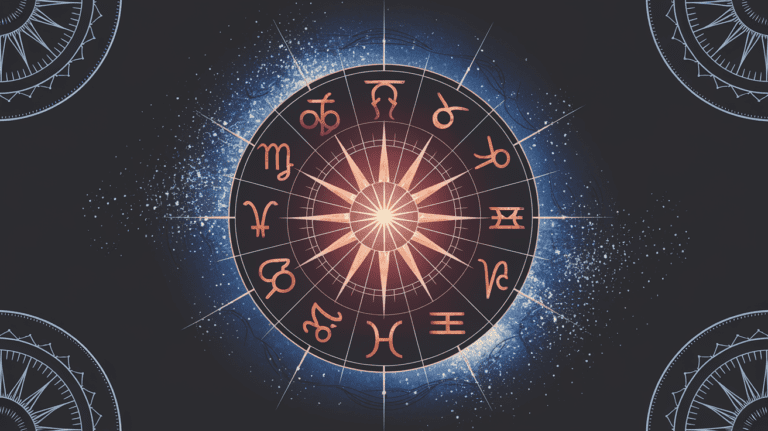
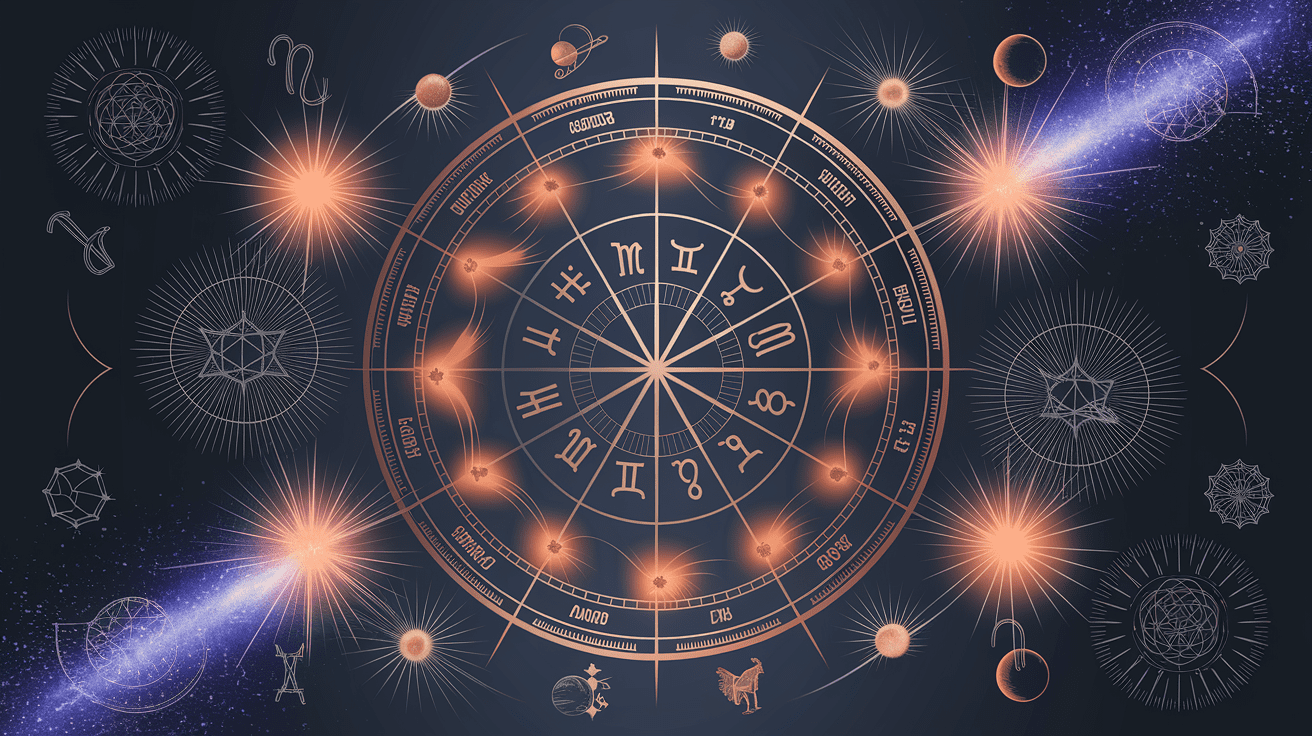
You’ve met the three big players — your Sun, Moon, and Rising signs. But here’s the thing: they need a stage to perform on. That’s where the 12 houses come in. Think of your birth chart as a 360-degree wheel divided into 12 slices, like a cosmic pie. Each slice, or house, represents a different area of your life — from your personality to your career, relationships, and even your secret dreams.
The houses are where the planets actually do their work. A planet in a certain house will express its energy in that specific life area. For example, Venus in the 7th house of partnerships will color your approach to relationships, while Mars in the 10th house of career will fuel your ambition and drive for success.
Quick Reference: What Each House Governs
| House | Life Area | Natural Ruling Sign |
|---|---|---|
| 1st | Self, appearance, first impressions | Aries |
| 2nd | Money, values, possessions | Taurus |
| 3rd | Communication, siblings, short trips | Gemini |
| 4th | Home, family, roots, emotional foundation | Cancer |
| 5th | Creativity, romance, children, fun | Leo |
| 6th | Work, health, daily routines, service | Virgo |
| 7th | Partnerships, marriage, contracts | Libra |
| 8th | Transformation, shared resources, intimacy | Scorpio |
| 9th | Higher learning, travel, philosophy, publishing | Sagittarius |
| 10th | Career, public image, authority, reputation | Capricorn |
| 11th | Friendships, groups, hopes, dreams | Aquarius |
| 12th | Spirituality, solitude, the unconscious, endings | Pisces |
Each house also has a natural ruling sign, which colors how that life area expresses itself. For example, the 4th house is naturally ruled by Cancer, so themes of home, family, and emotional security are central to this area of life.
Planets in Houses: Where the Action Is
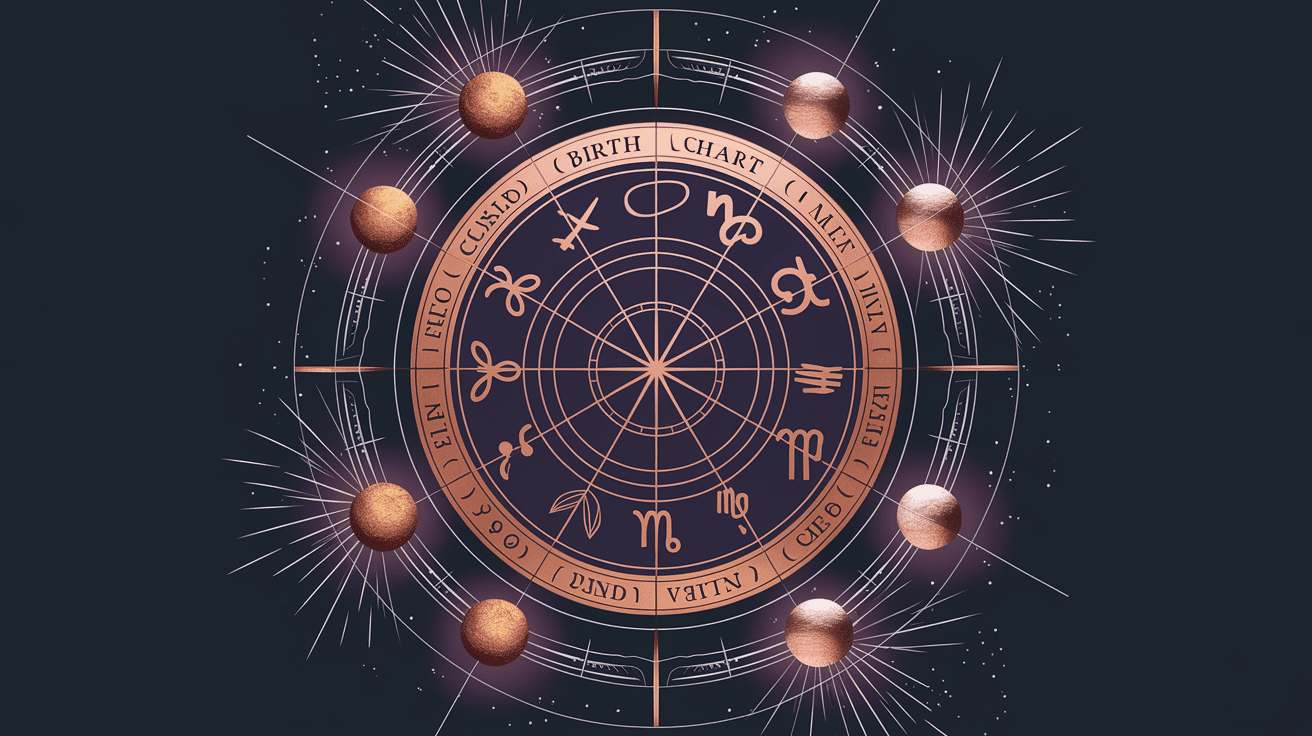
When planets occupy a house, they bring their energy to that life area. The more planets in a house, the more emphasis and activity you’ll experience there. For instance, if you have three or more planets in your 10th house, your career and public life will be a major focus for you.
Let’s say you have Jupiter (expansion, luck) in your 2nd house of money. This could indicate a talent for attracting wealth or a generous attitude toward finances. On the flip side, Saturn (restriction, discipline) in the 7th house of partnerships might suggest challenges or delays in relationships that ultimately lead to maturity and commitment.
One of my clients, a Leo rising with Venus in the 5th house, is a professional artist whose creativity and romantic life are deeply intertwined. Her chart shows that pleasure, self-expression, and love affairs are central to her life’s purpose.
The Power of Angular Houses
Not all houses are created equal. The four angular houses — 1st, 4th, 7th, and 10th — are considered the most powerful positions in the chart. These are the houses that sit at the four main compass points of your chart:
- 1st house (Ascendant): The mask you wear, your physical body, and how you initiate action
- 4th house (IC): Your roots, home life, and emotional foundations
- 7th house (Descendant): Your approach to one-on-one relationships and contracts
- 10th house (Midheaven): Your career, public standing, and life direction
Planets in these houses have a strong, immediate impact on your life. For example, having Mars in the 1st house can make you assertive and energetic, while Saturn in the 10th house can indicate a slow but steady climb to career success.
Quick Tip: To see which houses your planets occupy, try our Free Birth Chart Calculator at Astrologer Global. It’s a great way to start connecting the dots between your planetary placements and the areas of life they influence.
The houses are the backbone of your chart, showing you where life’s dramas, joys, and challenges will unfold. In the next section, we’ll explore how the planets move through these houses over time in what’s called transits — and how that affects you day to day.
Vedic vs. Western Charts: Why You Might Be Reading the Wrong Map
Picture this: You’ve just discovered your sun sign is Cancer, but your Vedic chart says you’re Gemini. What gives? This common confusion stems from the fundamental difference between Western and Vedic astrology systems — and understanding this distinction can completely transform how you read your birth chart.
Western astrology uses the tropical zodiac, which is based on the seasons and fixed relative to the equinoxes. Vedic astrology, also called Jyotish or sidereal astrology, uses the sidereal zodiac, which is based on the actual positions of constellations in the sky. Due to the precession of the equinoxes — a slow wobble in Earth’s axis — these two systems have drifted apart by approximately 23 degrees over the past 2,000 years.
This means your Vedic sun sign is often different from your Western one. If you’re a Western Leo at 15 degrees, you might be a Vedic Cancer at 22 degrees. That’s nearly an entire sign difference! And it’s not just your sun sign — your moon, rising, and all planetary positions will likely shift when calculated using the sidereal system.
The difference goes beyond just zodiac calculations. Vedic charts use whole sign houses, where each house spans exactly 30 degrees and is ruled by a single sign. If your ascendant is at 5 degrees Aries, your entire first house is Aries, second house is Taurus, and so on. Western astrology typically uses unequal houses calculated through systems like Placidus or Koch, where house sizes vary based on your birth location and time.
Which System Should You Use?
Here’s the honest truth: both systems work beautifully, but they tell different stories about your life. Think of it like having two different but equally valid maps of the same territory. Western astrology tends to focus on psychological development, personal growth, and your relationship with your inner world. Vedic astrology emphasizes dharma (life purpose), karma, and practical life outcomes.
I often recommend starting with Western astrology if you’re new to chart reading, as it’s more widely practiced in the West and has abundant resources. Once you’re comfortable, explore your Vedic chart — you might find it resonates with different aspects of your experience. Some people feel equally drawn to both systems, while others strongly prefer one over the other.
The key is consistency. Don’t flip between systems trying to find the “right” answer. Pick one approach and dive deep. You can always explore the other system later for additional insights. Many professional astrologers use both systems complementarily, reading a Western chart for psychological insights and a Vedic chart for timing and life direction.
Here’s a practical tip: Calculate both your Western and Vedic charts using free online tools (Astrologer Global offers both calculations). Compare where your planets fall in each system. You might discover that your Western Venus in Leo feels very different from your Vedic Venus in Cancer — and both interpretations might ring true in different areas of your life.
The beauty of astrology is that it’s not about finding the one “correct” answer, but about discovering the many layers of meaning that illuminate your unique path. Whether you choose Western, Vedic, or both, you’re learning to read the cosmic language written in your birth chart.
Real Chart Reading in Action: Sarah’s Career Crossroads
Let me walk you through a real client reading that demonstrates how all these pieces come together. Sarah, a 34-year-old marketing professional, came to me feeling stuck in her career. She’d been working in corporate communications for seven years but felt unfulfilled, yet terrified to make a change. Her chart told a fascinating story about timing, purpose, and the courage to step into mastery.
When I first looked at Sarah’s chart, three key placements jumped out immediately. Her Saturn sat right in the 10th house at 17° Capricorn — the house of career and public reputation. Saturn here often indicates career delays, setbacks, or a feeling that you have to work twice as hard for half the recognition. But there’s a beautiful paradox: Saturn in the 10th also promises eventual mastery and respect, but only after you’ve paid your dues and learned the lessons of patience and perseverance.
What Sarah’s Chart Revealed About Her Timing
Sarah’s Midheaven — the career point at the top of the chart — fell at 9° Virgo. This placement suggested that service-oriented work would ultimately bring her the most fulfillment. Virgo Midheaven individuals often find their calling in roles where they can analyze, organize, or help others improve systems. The universe was literally pointing her toward work that would allow her to use her natural gifts for detail, problem-solving, and practical improvement.
But here’s where it gets really interesting. Sarah’s North Node sat in her 2nd house at 24° Taurus — the house of self-worth, values, and material security. In evolutionary astrology, the North Node represents your soul’s growth direction. This placement was screaming at her: your path forward involves building genuine self-worth through your career choices. The universe was asking her to stop choosing jobs based on what others expect and start aligning with what truly values her unique gifts.
The timing piece fell into place when I checked her current transits. Transiting Jupiter had just entered her 10th house and was heading toward a conjunction with her Midheaven at 9° Virgo. Jupiter transits to the Midheaven often bring career expansion, new opportunities, and increased visibility. This wasn’t just about feeling unfulfilled — this was about a window of opportunity opening right now.
I explained to Sarah that her chart showed a classic pattern: years of feeling like she had to prove herself (Saturn in 10th), combined with a deep need to find work that aligned with her values (North Node in 2nd). The Jupiter transit meant this was the perfect moment to make a bold move. Her fear wasn’t a sign to stay put — it was a sign she was on the verge of stepping into her power.
Six months later, Sarah emailed me. She’d left her corporate job to start her own consulting business, focusing on helping small businesses streamline their marketing operations — exactly the kind of service-oriented work her Virgo Midheaven craved. She wrote, “For the first time in my career, I feel like I’m being paid what I’m worth, and I’m actually excited to work on Monday mornings.”
The chart didn’t tell Sarah what to do — it showed her the timing, the patterns, and the potential. That’s the real magic of chart reading: it doesn’t make decisions for you, but it illuminates the cosmic weather patterns you’re navigating.
Want to understand your own career timing? Your Saturn placement and current Jupiter transits can reveal whether you’re in a building phase or an expansion phase. Sometimes the universe is asking you to be patient; other times, it’s practically pushing you out of the nest. The chart helps you know which is which.
Section 6: Common Mistakes Beginners Make (And How to Avoid Them)
You’ve learned the basics — now let’s talk about the pitfalls that trip up even the most enthusiastic beginners. I’ve been reading charts for over two decades, and I’ve watched countless people (including my younger self!) make these exact same mistakes. The good news? Once you know what to watch for, you can sidestep these traps entirely.
The Sun Sign Trap
Here’s the most common mistake I see: people fixate on their sun sign and ignore everything else. “I’m a Leo, so I must be dramatic and attention-seeking,” they’ll say, completely missing that their moon in Capricorn and rising in Virgo create a much more reserved, practical personality.
Your sun sign is just one piece of a 40-piece cosmic puzzle. Think of it like judging a movie by its poster — you’re missing 99% of the story. When I first started, I thought my Aries sun made me naturally bold and competitive. But my chart revealed a stellium in Pisces that explained why I was actually quite sensitive and intuitive.
The Aspect Illusion
New astrologers often look at aspects (the angles between planets) and think they’re seeing the whole picture. A “square” between Venus and Mars might look challenging on paper, but if Venus is exalted in Pisces and Mars is in its own sign of Aries, that tension actually creates dynamic creative energy.
The same aspect can manifest completely differently depending on the planets’ dignity, the houses involved, and whether you’re experiencing a supportive or challenging transit. Always check the dignity before drawing conclusions about aspects.
Destiny vs. Potential
This might be the most important distinction in astrology: your chart shows potential, not predestination. I’ve had clients say things like “My chart says I’ll never be successful” or “I’m doomed because I have a difficult aspect.” This misunderstands the fundamental nature of astrology.
Your chart is a weather forecast, not a prison sentence. It shows the climate you’re born into and the patterns you’re likely to encounter. But you choose how to respond. A challenging Saturn placement might indicate delays, but it also builds the resilience that leads to mastery. The chart shows the lessons, not the limitations.
The Transit Timing Trap
Another beginner mistake is reading a chart as if it’s frozen in time. Your birth chart is a snapshot of one moment, but life unfolds through transits — the current positions of planets activating different parts of your chart.
A client once asked me why her “marriage chart” showed singlehood when she was happily married. The answer? She was experiencing a challenging transit to her 7th house. Six months later, when Jupiter moved into a supportive position, her relationship flourished. Timing matters enormously.
Memorization Madness
Many beginners try to memorize every planetary placement, aspect, and house meaning. This approach is exhausting and misses the forest for the trees. Instead, look for patterns and themes.
Does your chart have multiple planets in water signs? That’s a theme of emotional depth and intuition. Several planets in angular houses (1, 4, 7, 10)? That suggests a life of high visibility and public impact. One client had five planets in mutable signs — we immediately saw someone adaptable but potentially scattered.
How to Avoid These Beginner Traps
- Start with patterns, not details – Look for dominant elements, modalities, and house concentrations before analyzing individual planets
- Consider dignity and transits – Always check if planets are in their sign of exaltation, detriment, or fall before interpreting aspects
- Remember free will – Ask “What lesson is this teaching?” rather than “What’s going to happen to me?”
- Track current transits – Use a transit calendar to understand how present planetary movements activate your natal chart
- Focus on understanding, not memorization – Learn the “why” behind astrological principles instead of rote facts
Here’s a quick reference table of common beginner mistakes versus the deeper approach:
| Beginner Approach | Professional Approach |
|---|---|
| Focus only on sun sign | Analyze all three keys (sun, moon, rising) |
| Take aspects at face value | Consider dignity, house placement, and transits |
| See chart as destiny | Understand chart as potential and patterns |
| Ignore timing | Track current transits and planetary cycles |
| Try to memorize everything | Look for overarching themes and patterns |
One final tip: give yourself permission to be a beginner. Even after 20 years, I’m still learning. The beauty of astrology isn’t in perfect interpretation — it’s in the ongoing conversation between you and the cosmos. Your chart will reveal new layers as you grow, and that’s exactly as it should be.
Want to see how these principles apply to your unique chart? Try our Chart Pattern Analyzer to identify the dominant themes in your birth chart. You might be surprised by what you discover when you step back and look at the bigger picture.
Reading Aspects Like a Pro: The Cosmic Conversations
Imagine your birth chart as a dinner party where planets are guests. Some are having lively debates, others are sharing intimate secrets, and a few are sitting in awkward silence. These planetary relationships — called aspects — are the conversations that give your chart its unique flavor and reveal how different parts of your psyche interact.
Aspects are the relationships between planets — the conversations in your chart. When planets form specific geometric angles to each other, they create energetic dialogues that color your personality and life experiences. A planet at 15° Aries and another at 15° Cancer form a square aspect (90° apart), creating a dynamic tension that pushes you to grow. But that same planet at 15° Aries with another at 17° Leo forms a trine (120° apart), flowing with natural ease and talent.
The Five Major Aspects and Their Cosmic Languages
Each aspect speaks a different language in your chart’s conversation:
Conjunction (0°): Planets sitting side by side, their energies merging and amplifying each other. When Mars and Venus conjunct in your 7th house, your approach to relationships blends passion with harmony — you’re both the warrior and the diplomat in love.
Opposition (180°): Planets across the chart from each other, creating a see-saw dynamic. Moon opposite Saturn might mean your emotional needs (Moon) constantly clash with your sense of responsibility (Saturn). This aspect asks: “How do I honor both my feelings and my duties?”
Trine (120°): Planets in harmonious elements (fire-air or earth-water), flowing together effortlessly. Sun trine Jupiter brings natural confidence and optimism — you don’t have to work hard to believe in yourself.
Square (90°): Planets in conflicting elements, creating tension that demands resolution. Mercury square Neptune can mean your logical mind (Mercury) constantly wrestles with your imagination (Neptune). The gift? Learning to bridge rational thought with intuitive wisdom.
Sextile (60°): Planets two signs apart, offering gentle support and opportunity. Venus sextile Mars creates ease in balancing your feminine and masculine energies — you know when to pursue and when to receive.
Hard Aspects vs. Soft Aspects: The Growth Engine
Here’s where beginners often get it wrong: hard aspects (square, opposition) aren’t “bad” — they’re your growth engine. Hard aspects create tension that drives growth. That frustrating Mercury square Saturn aspect that makes communication feel like pushing a boulder uphill? It’s actually building your mental discipline and teaching you to speak with authority.
Meanwhile, soft aspects provide natural talents and ease. Sun trine Moon means your conscious will (Sun) and emotional nature (Moon) are in harmony — you rarely experience the internal tug-of-war that plagues others. But this ease can also breed complacency if you’re not careful.
One of my clients had Venus square Pluto — a notoriously challenging aspect for relationships. She experienced intense power struggles and jealousy in her early partnerships. But through working with this aspect consciously, she transformed it into magnetic charisma and the ability to create profound, transformative connections. The square didn’t curse her — it forged her into someone who could handle depth most people avoid.
Orb Degrees Matter — Tighter Aspects Are Stronger
Not all aspects carry equal weight. The “orb” — how many degrees an aspect can be and still count — determines its strength. A conjunction within 1° is laser-focused; at 7°, it’s more like a general theme than a specific conversation.
Here are the standard orbs I use:
- Conjunction/opposition: 8-10°
- Trine/square: 7-8°
- Sextile: 5-6°
- Minor aspects (sextile, quincunx): 2-3°
A client came to me with Venus at 22° Gemini and Mars at 24° Gemini — a 2° conjunction. This tight aspect made her incredibly magnetic and passionate, but also prone to impulsive romantic decisions. Compare that to someone with Venus at 22° Gemini and Mars at 28° Gemini (a 6° conjunction) — the energy is still there, but softer, more like a background hum than a siren call.
Aspect Patterns That Change Everything
Some aspects combine to form larger patterns that dramatically shift a chart’s story. These configurations act like constellations in your cosmic landscape:
The Grand Trine: Three planets each 120° apart, forming a perfect triangle. This creates a natural talent triangle — but can also breed laziness if you’re not careful. A client with a fire grand trine (Aries-Leo-Sagittarius) had incredible creative confidence but struggled to finish projects because everything came so easily.
The T-Square: Two planets in opposition with a third planet square to both, creating a tense triangle. This aspect pattern creates a central tension point that becomes your life’s focal challenge. One client’s T-square had Pluto (transformation) opposite Venus (love) with Mars (action) at the apex. Her life theme? Transforming her relationship with power through passionate action.
The Stellium: Three or more planets in the same sign or house, creating an intense concentration of energy. A stellium in the 10th house (career) with Sun, Mercury, and Saturn means your identity, communication style, and sense of responsibility are all poured into your professional life.
The Yod (Finger of God): Two planets sextile each other, both quincunx (150°) to a third planet. This rare pattern points to a fated life direction. A client with a Yod had Neptune sextile Pluto both quincunx to her Ascendant — her life purpose involved bridging spiritual wisdom with practical service in a way that transformed how she presented herself to the world.
Aspect patterns like these don’t just add flavor to your chart — they often become the central story, the plot that drives your personal mythology forward.
Quick aspect-reading tip: When you’re looking at aspects, always ask: “What’s the house placement of each planet?” A Venus-Mars conjunction in the 7th house (relationships) plays out very differently than the same conjunction in the 2nd house (values/money). The house provides the stage where the aspect’s drama unfolds.
Want to explore your own planetary conversations? Use our Chart Aspect Calculator to see exactly which aspects are lighting up your birth chart right now.
Your 7-Day Chart Reading Practice Plan
Ready to stop just reading about astrology and actually do it? This seven-day plan transforms you from a chart observer into a chart reader. Each day builds on the last, creating a solid foundation without overwhelming you. Think of it as learning a new language — you’ll start with basic vocabulary (symbols) before writing full sentences (interpretations).
Day 1: Find and print your natal chart using free online tools
Start by generating your birth chart using a reputable free tool like Astrodienst or Astro-Seek. You’ll need your exact birth date, time, and location — that birth certificate is worth its weight in gold here. Print your chart in color if possible; the visual distinctions between elements become crucial later. As you look at your circular chart for the first time, notice how it’s divided into 12 slices (the houses) with symbols scattered throughout. Don’t worry about understanding anything yet — just familiarize yourself with the layout. Circle your Sun, Moon, and Ascendant signs; these are your Big Three and tomorrow’s focus.
Day 2: Identify and journal about your Big Three signs
Today you’ll dive into your Sun, Moon, and Rising signs. Look up each placement’s meaning and write a few sentences about how you see these energies showing up in your life. For example, if your Sun is in Leo, you might journal about where you naturally seek attention and creative expression. Your Moon in Pisces might reveal how you escape into fantasy when stressed. And that Libra Rising? Notice how you instinctively mediate conflicts or beautify your surroundings. This isn’t about memorizing definitions — it’s about recognizing yourself in the symbols. Keep your journal entries brief but specific; concrete examples make the astrology stick.
Day 3: Explore the 12 houses and note which ones have multiple planets
Now you’ll discover where life’s dramas unfold. Each of the 12 houses governs a life area — from identity (1st house) to shared resources (8th house) to career (10th house). Count how many planets sit in each house; houses with three or more planets are “stuffed” and indicate major life focus areas. If you have multiple planets in your 7th house, relationships become a central classroom. A packed 2nd house suggests lifelong lessons around values and self-worth. Pay special attention to empty houses too — they’re not “broken,” just areas where you have less cosmic homework. Notice any patterns: do your planets cluster in one section of the chart or spread evenly?
Day 4: Learn the symbols for all planets and signs
Astrology speaks in a symbolic language, and today you’ll learn the alphabet. The Sun is a circle with a dot (representing spirit with a point of individuality), Mars looks like a shield and spear, and so on. Create flashcards or use a chart symbols guide. Practice spotting these symbols on your chart until you can instantly recognize them without checking a key. This might feel tedious, but it’s like learning musical notation — impossible to read music without knowing what the notes look like. Test yourself by pointing to random symbols on your chart and naming them. By tomorrow, this visual fluency will make aspect reading much easier.
Day 5: Practice reading aspects between your personal planets
Aspects are the conversations between planets. Start with the five major aspects: conjunction (0°), opposition (180°), trine (120°), square (90°), and sextile (60°). On your chart, draw lines connecting these planetary relationships. A Moon-Jupiter trine might show up as an easy emotional optimism — you naturally see the bright side. A Venus-Saturn square could indicate relationship caution or fear of rejection. Don’t just memorize “square equals tension” — feel into the specific planets involved. How does a passionate Mars square controlling Pluto play out differently than a freedom-loving Uranus square security-seeking Saturn? The aspect’s meaning depends entirely on who’s talking.
Day 6: Research your chart’s dominant element and modality
Your chart has a unique energetic fingerprint based on which elements (fire, earth, air, water) and modalities (cardinal, fixed, mutable) dominate. Count how many planets fall in each element. All fire signs (Aries, Leo, Sagittarius)? You’re fueled by inspiration and action. Predominantly water (Cancer, Scorpio, Pisces)? You navigate by feeling and intuition. Now check modalities: cardinal signs initiate, fixed signs sustain, mutable signs adapt. A chart heavy in fixed signs and earth elements creates a slow, steady, stubborn energy — great for completing projects but challenging for flexibility. This elemental and modal analysis often reveals your unconscious operating system.
Day 7: Synthesize everything into a personal chart summary
Today you become the interpreter. Using everything you’ve learned, write a 500-word summary of your chart’s story. Start with your Big Three, then discuss your dominant houses, elements, and modalities. Mention key aspects and what they reveal about your patterns. How do your Moon’s needs interact with your Sun’s goals? Does your career-oriented 10th house get support or friction from other areas? This synthesis is where astrology becomes personal rather than academic. You’re not just listing facts — you’re telling your cosmic origin story. Keep this summary; it becomes your reference point as you continue developing your chart reading skills.
Daily Exercises to Build Your Chart Reading Muscle
Want to accelerate your learning? Add these micro-practices to your daily routine. Each takes less than five minutes but compounds over time. First, “planet of the day”: randomly select one planet each morning and notice where it shows up in your life that day. Moon in your 4th house? Pay attention to family dynamics or home comfort needs. Second, aspect spotting: when reading about celebrities or historical figures, look up their charts and identify one major aspect. What life theme might that aspect represent? Third, transit tracking: use a free transit calendar to see what’s currently affecting your chart. When Mars squares your natal Venus, notice any tension between your desires and actions. These exercises train your astrological eye to see patterns everywhere.
Finally, join an astrology study group or online forum. Nothing cements learning like explaining concepts to others and hearing different perspectives on the same chart. You’ll discover that chart reading is less about finding “right answers” and more about developing interpretive wisdom. Your seven-day plan is just the beginning — each chart you read adds another layer to your astrological vocabulary. The symbols haven’t changed in millennia, but your understanding of them will deepen with every practice session. Ready to read your next chart?
Frequently Asked Questions
What do the symbols on a birth chart mean?
The symbols on a birth chart represent planets, zodiac signs, and astrological aspects. Each planet symbol (like ☉ for the Sun or ☽ for the Moon) shows where that celestial body was positioned at your birth, while zodiac glyphs (like ♈︎ for Aries or ♉︎ for Taurus) indicate which sign occupied each house. Aspects appear as lines connecting planets, showing how their energies interact. Learning these symbols is like learning a new language — once you recognize them, your chart becomes much easier to read. You can find a quick reference guide in our free birth chart calculator to help decode your chart’s symbols.
How do I find my rising sign?
Your rising sign (or ascendant) is the zodiac sign that was rising on the eastern horizon at your exact moment of birth. To find it, you need your birth date, exact birth time, and birthplace — even a few minutes’ difference can change your rising sign. The rising sign determines your chart’s house system and represents your outer personality and how others perceive you. Many people feel their rising sign describes them more accurately than their Sun sign. Try our rising sign calculator to discover yours instantly.
What are the 12 houses in astrology?
The 12 houses in astrology represent different life areas, like a cosmic pie chart of your experiences. The First House (rising sign) governs self-image and appearance, while the Second House covers finances and values. The Third House rules communication and siblings, the Fourth House represents home and family, and so on through the chart. Each house contains a planet or is ruled by a sign, showing where and how that planet’s energy manifests in your life. For example, Venus in the Seventh House suggests relationship harmony comes naturally to you. Understanding houses helps you see which life areas are most active in your chart.
How do I read my birth chart for free?
You can read your birth chart for free using online calculators that generate your natal chart instantly. Simply enter your birth date, exact birth time, and birthplace into a reliable astrology website. Once you have your chart wheel, start by identifying your Sun, Moon, and rising signs, then note which planets fall in which houses. Look for patterns like stelliums (3+ planets in one sign) or T-squares (tense aspect patterns). Our free birth chart calculator provides a detailed interpretation along with your chart wheel, making it easy to understand your cosmic blueprint without any cost.
What is the difference between sun, moon, and rising signs?
Your Sun sign represents your core identity and life purpose — who you’re becoming. Your Moon sign reveals your emotional nature, inner world, and what makes you feel secure. Your rising sign (ascendant) shows your outer personality, first impressions, and how you approach new situations. Think of it as a three-layer cake: Sun is the cake itself (essential you), Moon is the filling (your emotional needs), and rising is the frosting (how you present to the world). While most people know their Sun sign, understanding all three gives you a much richer picture of your astrological makeup.
How do I interpret aspects in my birth chart?
Aspects are the angular relationships between planets in your chart, showing how their energies interact. Major aspects include conjunctions (0°, planets blend energies), oppositions (180°, planets face each other), trines (120°, planets flow easily), squares (90°, planets create tension), and sextiles (60°, planets support each other). A conjunction between Venus and Mars suggests passionate energy, while a square between Saturn and Sun might indicate challenges with authority or self-expression. Start by noting the major aspects in your chart, then consider whether they create harmony or tension. Our aspect calculator can help you understand these connections in your specific chart.
Your Cosmic Path Forward
Learning how to read birth chart is like learning a new language — one that speaks in symbols, planets, and timing rather than words. You’ve now taken the first steps: identifying your chart’s structure, understanding the planets’ roles, and beginning to see how the houses and aspects weave together into a living map. This isn’t about predicting a fixed future; it’s about recognizing patterns, potentials, and the cosmic timing that’s already influencing your life.
The beauty of astrology lies in its mirror-like quality. As you study your chart, you’re also studying yourself — your strengths, your blind spots, and the rhythms that guide your growth. Remember that no single placement defines you; it’s the interplay of all the pieces that creates your unique cosmic fingerprint. The more you practice, the more intuitive this process becomes, until reading a chart feels as natural as reading your own thoughts.
Now that you understand the basics, the next step is to apply this knowledge. Try tracking the Moon’s daily movements through your chart or noting when planets transit key points. These small, consistent observations will deepen your connection to the cosmic flow and make astrology a living, breathing part of your daily life.
Ready to take the next step? Explore your chart’s deeper layers with our Free Birth Chart Calculator — it’s the perfect tool to continue your journey with personalized insights tailored to your unique cosmic blueprint.
The stars have always been speaking; now you know how to listen. Your chart isn’t just a map of the sky — it’s a map of you, unfolding one transit, one insight, one moment at a time.