Chakra Healing for Beginners — Understanding Your 7 Energy Centers
You’ve been feeling off for weeks — drained, scattered, like you’re running on fumes but can’t quite figure out why. Your body aches in strange places, your mind races at night, and no amount of coffee or self-care Sundays seems to fix it. What if I told you the answer might not be in your schedule, your diet, or even your sleep habits — but in the invisible energy centers running along your spine? Welcome to the world of chakra healing for beginners, where ancient wisdom meets modern wellness in the most transformative way.
In my two decades of practice as an astrologer and energy healer, I’ve seen countless clients walk through my door exhausted, anxious, and disconnected — only to discover their chakras were completely out of alignment. One client, a busy marketing executive, came to me convinced she was on the verge of burnout. After a simple chakra assessment, we discovered her throat chakra was blocked, making it nearly impossible for her to speak her truth at work. Within weeks of focused healing, she not only felt energized but landed the promotion she’d been too afraid to ask for.
By the end of this guide, you’ll understand exactly what chakras are, how each of your seven main energy centers affects your physical, emotional, and spiritual wellbeing, and most importantly — you’ll have practical tools to start healing them today. Whether you’re completely new to energy work or you’ve dabbled in crystals and meditation but never quite understood the chakra system, this article will give you a clear, step-by-step foundation.
There’s something profoundly empowering about realizing you have the ability to shift your own energy. It’s like discovering you’ve had a secret superpower all along — one that connects you to the rhythm of the universe itself. So if you’re ready to move from feeling drained and disconnected to vibrant and aligned, let’s begin with the very first step: understanding what these mysterious energy centers actually are and why they matter so much to your daily life.
What Are Chakras and Why Should You Care?
You’ve probably heard the word “chakra” tossed around in yoga studios, wellness podcasts, and Instagram posts about spiritual healing. But what exactly are these mysterious energy centers, and why should you care about them?
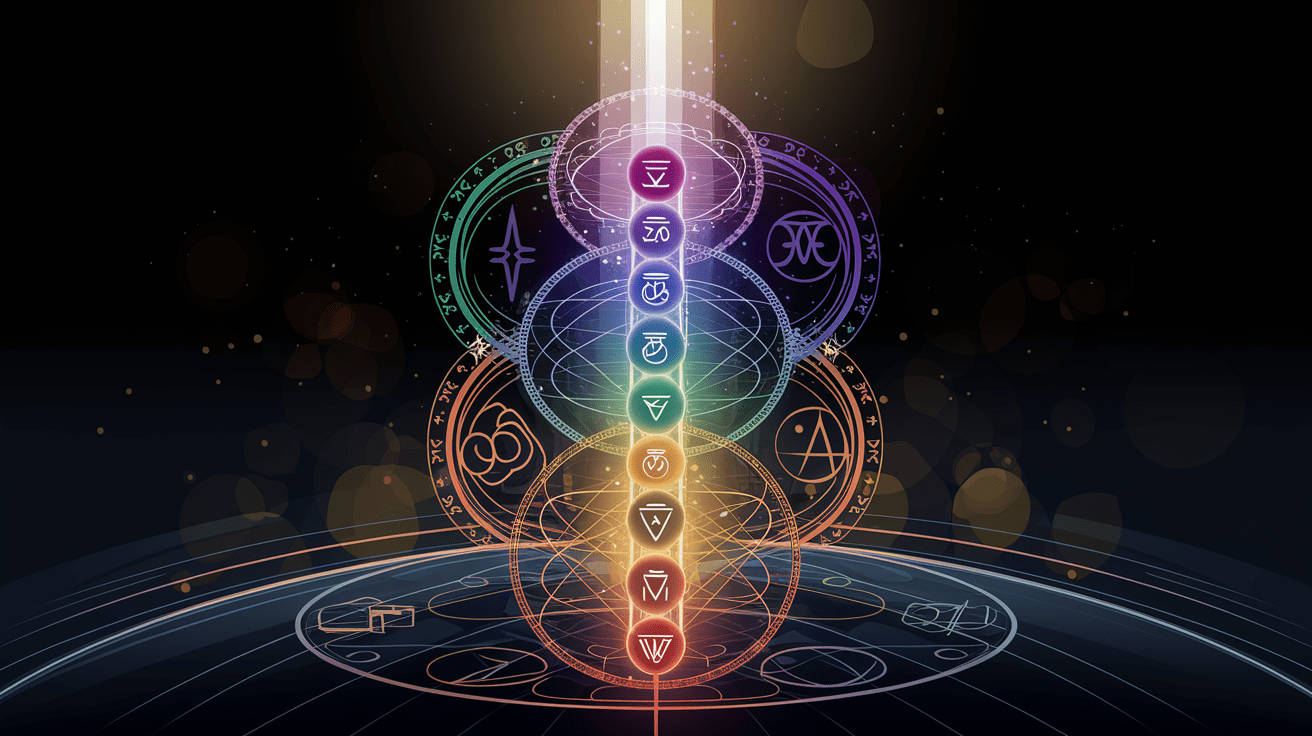
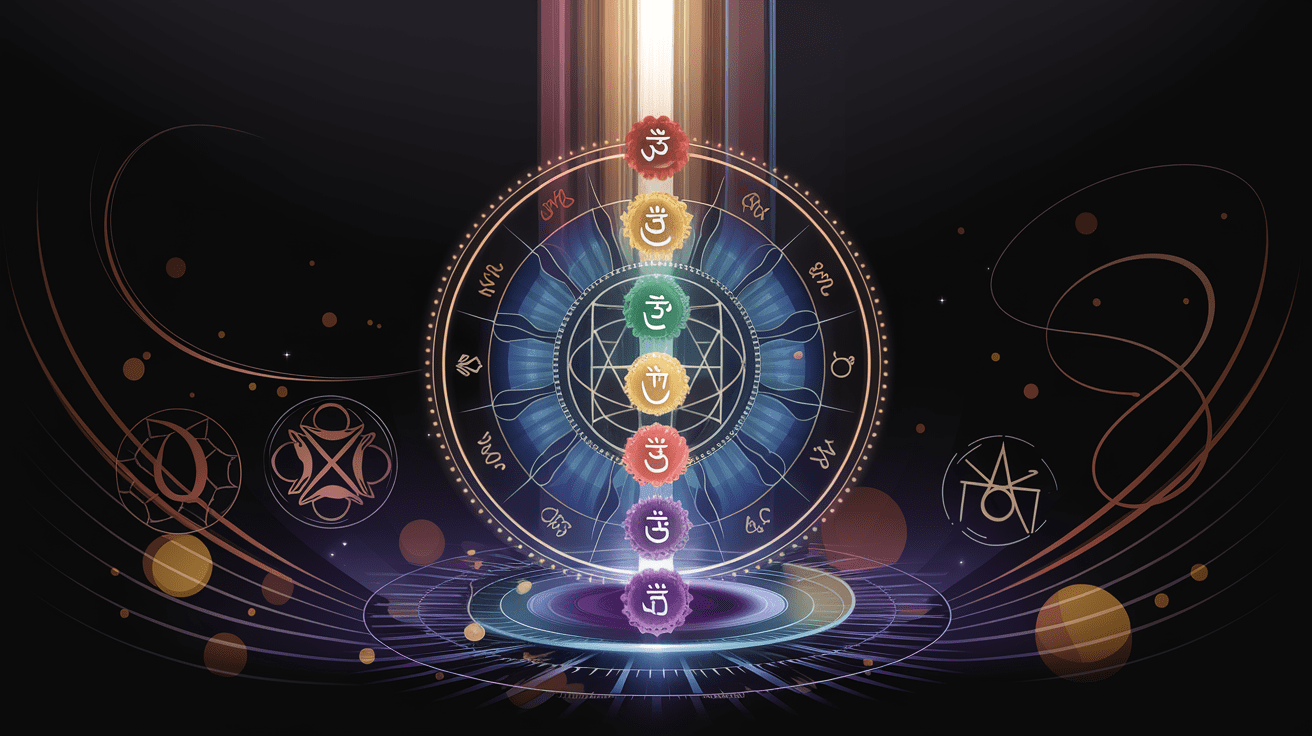
Chakras are Sanskrit for “wheels” — spinning vortexes of energy that regulate your physical, emotional, and spiritual well-being. Think of them as invisible power plants running up your spine, each one governing specific aspects of your life. When these wheels spin smoothly, you feel balanced, energized, and aligned. When they’re blocked or spinning too fast, you experience everything from chronic back pain to relationship drama to that nagging sense that something’s “off” in your life.
The 7 main chakras run from your tailbone to the crown of your head, each one a gateway to different life areas. Your root chakra at the base of your spine governs survival and security — ever notice how financial stress makes your lower back ache? That’s not a coincidence. Your heart chakra, located in the center of your chest, rules love and compassion. When it’s blocked, you might find yourself pushing people away or struggling to forgive. Each chakra has its own frequency, color, and associated elements, creating a complete system that Western medicine often overlooks.
But here’s what makes chakras so fascinating: they bridge the ancient and the modern. The concept originated in Vedic texts over 3,000 years ago, when sages mapped these energy centers through deep meditation and spiritual practice. Traditional Vedic understanding sees chakras as part of a vast energetic network connected to nadis (energy channels) and the kundalini force that rises through the spine. This differs from many Western New Age interpretations that often simplify chakras into quick-fix solutions or aesthetic Instagram content.
The ancient Vedic origins of chakra wisdom and how it differs from Western New Age interpretations
In traditional Vedic practice, chakra healing requires dedicated spiritual discipline, specific mantras, and understanding of one’s karmic patterns. Western approaches often focus on immediate symptom relief through crystals, essential oils, and affirmations. Both have value, but understanding the roots helps you work with chakras more effectively.
What’s remarkable is how modern science is beginning to validate what yogis have known for millennia. Research in biofield science and quantum physics suggests that the human body does indeed have measurable energy fields. Studies on the heart’s electromagnetic field show it extends several feet beyond the body, and research on meditation’s effects on brain waves and immune function demonstrates that consciousness can influence physical systems.
How modern science is beginning to validate what yogis have known for millennia about energy fields
✨ Try Our Free Free Tarot Reading ✨
Receive spiritual guidance through the wisdom of the tarot.
The emerging field of psychoneuroimmunology explores how emotional states affect immune function, while research on the gut-brain axis reveals how our “second brain” in the digestive system influences mood and cognition. These findings align with chakra wisdom that connects specific energy centers to physical organs and emotional states.
| Chakra | Location | Associated Physical Areas | Common Blockage Symptoms |
|---|---|---|---|
| Root (Muladhara) | Base of spine | Legs, feet, immune system | Anxiety, financial stress, lower back pain |
| Sacral (Svadhisthana) | Lower abdomen | Reproductive organs, kidneys | Creative blocks, sexual dysfunction, emotional instability |
| Solar Plexus (Manipura) | Upper abdomen | Digestive system, adrenal glands | Low self-esteem, digestive issues, control issues |
| Heart (Anahata) | Center of chest | Heart, lungs, arms | Relationship difficulties, chest pain, inability to forgive |
| Throat (Vishuddha) | Throat | Thyroid, vocal cords | Communication problems, sore throats, creative frustration |
| Third Eye (Ajna) | Between eyebrows | Brain, eyes, pituitary gland | Headaches, poor intuition, lack of clarity |
| Crown (Sahasrara) | Top of head | Brain, nervous system | Spiritual disconnection, depression, neurological issues |
When your chakras are balanced, energy flows freely through your body, supporting optimal health and emotional well-being. When they’re blocked, that energy stagnates, manifesting as physical symptoms, emotional patterns, and relationship challenges that conventional medicine often struggles to address. A blocked throat chakra might show up as chronic sore throats or an inability to express your truth. An overactive solar plexus chakra could manifest as digestive ulcers or a controlling personality.
The beauty of chakra healing is that it empowers you to become your own energy detective. By learning to recognize the signs of imbalance, you can address issues at their energetic root before they manifest as serious physical or emotional problems. It’s like having an internal guidance system that alerts you when something needs attention — if you know how to listen.
Ready to start tuning into your energy centers? The first step is simply awareness. Throughout your day, notice where you feel tension, emotion, or sensation in your body. These physical cues often point to which chakras need attention. Try our Chakra Assessment Tool to get a personalized reading of your energy centers and discover which ones might need balancing. Understanding your chakras isn’t just about spiritual growth — it’s about taking charge of your whole self, from the physical to the metaphysical.
The 7 Chakras Explained — Your Energy Centers from Root to Crown
Your chakras are like the energetic operating system of your entire being. When they’re balanced, you feel vibrant, aligned, and capable. When they’re blocked or overactive, life feels heavy, confusing, or stuck. Understanding each chakra’s unique role helps you identify where you need healing — and how to restore flow.
Root Chakra (Muladhara)
Located at the base of your spine, the Root Chakra governs your sense of safety, stability, and connection to the physical world. It’s your energetic foundation, tied to survival needs like food, shelter, and financial security. When balanced, you feel grounded and secure. When blocked, you may experience anxiety, fear, or chronic financial stress.
This chakra resonates with the Earth element and the color red. It’s associated with the planet Saturn, which governs structure and discipline. During Saturn transits or when Saturn is in challenging aspects to your natal chart, Root Chakra imbalances often surface. Grounding practices like walking barefoot on soil, using red jasper crystals, or practicing mountain pose in yoga can help restore stability.
Sacral Chakra (Svadhisthana)
✨ Try Our Free Life Path Calculator ✨
Understand the spiritual mission encoded in your birth date.
Your Sacral Chakra sits just below your navel and governs creativity, pleasure, and emotional flow. It’s where your passion, sensuality, and ability to connect with others originate. This chakra rules your relationship with emotions — both yours and others’ — and influences how freely you express joy and desire.
Associated with the water element and the color orange, the Sacral Chakra connects to the Moon’s influence on emotions and intuition. When the Moon transits water signs (Cancer, Scorpio, Pisces) or forms challenging aspects, you might notice heightened sensitivity or creative blocks. Orange carnelian, pelvic-opening yoga poses, and creative expression through art or dance can help restore balance.
Solar Plexus Chakra (Manipura)
Located in your upper abdomen, the Solar Plexus Chakra is your center of personal power, confidence, and willpower. It’s where you process self-esteem, decision-making, and the courage to take action. When this chakra is balanced, you feel motivated and capable. When blocked, you may struggle with self-doubt, procrastination, or feeling powerless.
This fire-element chakra resonates with the color yellow and is influenced by the Sun’s position in your chart. The Sun represents your core identity and vitality. During Leo season or when the Sun forms challenging aspects, Solar Plexus imbalances often manifest as ego struggles or lack of confidence. Citrine crystals, core-strengthening exercises, and practicing assertive communication can help reignite your inner fire.
Heart Chakra (Anahata)
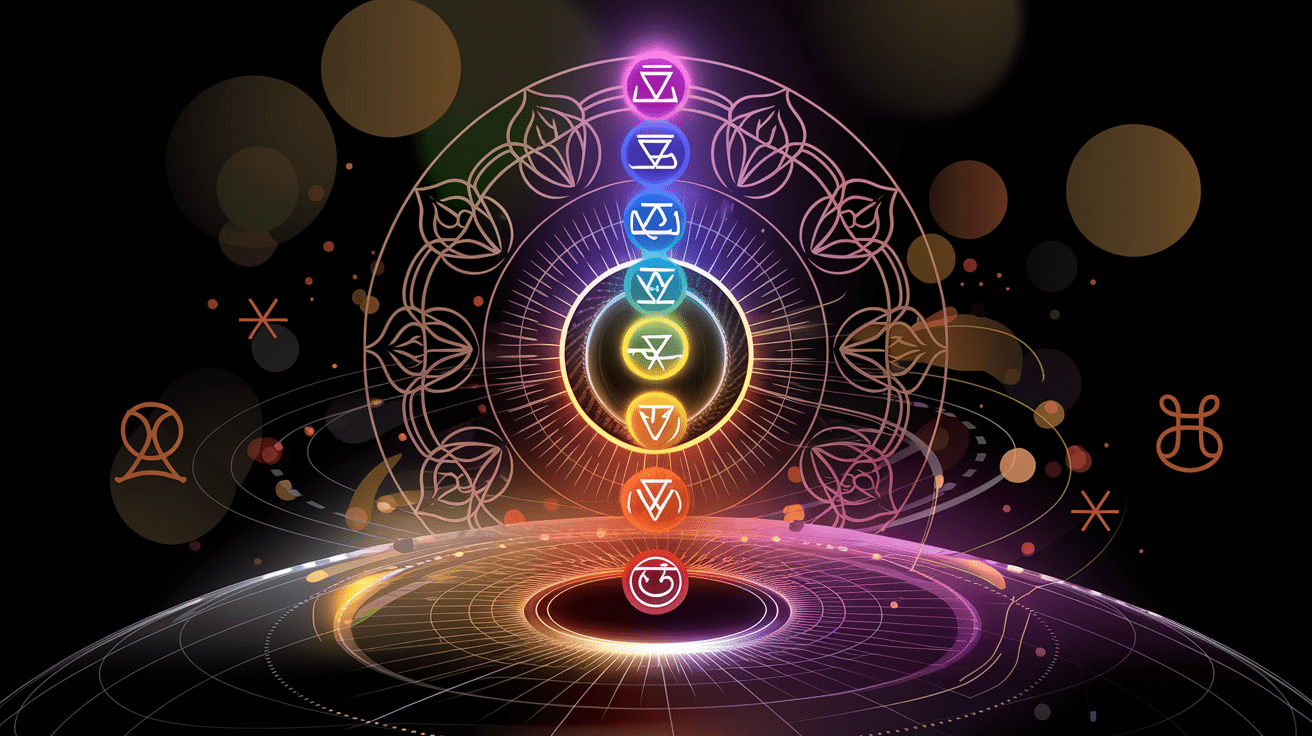
Your Heart Chakra sits at the center of your chest and governs love, compassion, and connection. It’s the bridge between the lower three chakras (physical) and upper three chakras (spiritual), making it the center of integration and balance. When open, you experience unconditional love, empathy, and healthy relationships. When blocked, you may struggle with trust issues, emotional isolation, or difficulty forgiving.
Associated with the air element and the color green (or pink for divine love), the Heart Chakra connects to Venus, the planet of love and harmony. Venus transits, especially when Venus is retrograde or in challenging aspects, can trigger heart-centered healing opportunities. Rose quartz crystals, heart-opening yoga poses like camel or cobra, and practicing loving-kindness meditation can help restore flow.
Throat Chakra (Vishuddha)
Located in your throat, this chakra governs communication, truth, and authentic self-expression. It’s where your inner truth meets the outer world — through words, creative expression, and the courage to speak your mind. When balanced, you communicate clearly and authentically. When blocked, you may struggle with people-pleasing, fear of speaking up, or creative blocks.
This chakra resonates with the ether element and the color blue. It’s influenced by Mercury, the planet of communication and thought. Mercury retrograde periods often highlight Throat Chakra issues around miscommunication or unexpressed thoughts. Blue lace agate, chanting, and journaling can help clear energetic blocks and strengthen your authentic voice.
Third Eye Chakra (Ajna)
Your Third Eye Chakra sits between your eyebrows and governs intuition, wisdom, and perception beyond the physical realm. It’s your center of insight, imagination, and spiritual awareness. When open, you trust your inner guidance and see situations clearly. When blocked, you may feel confused, disconnected from your intuition, or overly logical to the point of missing subtle guidance.
Associated with the color indigo and influenced by Neptune and Jupiter, this chakra connects to higher wisdom and expanded consciousness. Neptune transits often trigger spiritual awakening or confusion, depending on your level of Third Eye development. Amethyst crystals, meditation, and spending time in nature can help activate and balance this intuitive center.
Crown Chakra (Sahasrara)
Located at the top of your head, the Crown Chakra connects you to divine consciousness, universal wisdom, and your highest spiritual potential. It’s where you experience unity, enlightenment, and the understanding that you’re part of something greater. When balanced, you feel spiritually connected and at peace. When blocked, you may feel disconnected, cynical, or spiritually lost.
This chakra resonates with the color violet or white and connects to Uranus and the North Node, representing higher consciousness and soul purpose. During significant outer planet transits or nodal returns, Crown Chakra activations often occur. Clear quartz crystals, meditation, and practices that connect you to something greater than yourself can help open this gateway to universal consciousness.
Quick Reference: The 7 Chakras at a Glance
| Chakra | Location | Color | Element | Planet | Key Functions |
|---|---|---|---|---|---|
| Root | Base of spine | Red | Earth | Saturn | Survival, security, grounding |
| Sacral | Below navel | Orange | Water | Moon | Creativity, pleasure, emotions |
| Solar Plexus | Upper abdomen | Yellow | Fire | Sun | Personal power, confidence, action |
| Heart | Center of chest | Green/Pink | Air | Venus | Love, compassion, connection |
| Throat | Throat | Blue | Ether | Mercury | Communication, truth, expression |
| Third Eye | Between eyebrows | Indigo | Light | Neptune/Jupiter | Intuition, wisdom, perception |
| Crown | Top of head | Violet/White | Thought | Uranus/North Node | Spiritual connection, enlightenment |
Each chakra builds upon the previous one, creating a complete system of energetic balance. Understanding where you feel most challenged can guide your healing journey — and knowing which planetary influences affect each center helps you work with cosmic timing for maximum effect.
How to Know Which Chakra Is Blocked — Signs and Symptoms
Your body speaks in whispers before it screams. That persistent lower back ache, the lump in your throat when you need to speak up, the butterflies in your stomach before making a big decision — these aren’t random discomforts. They’re your chakras trying to get your attention.
I’ve seen this pattern countless times in my practice. A client comes in with chronic digestive issues, and we discover their solar plexus chakra is completely blocked from years of suppressed anger. Another struggles with recurring throat infections, and it turns out they’ve been swallowing their truth for decades. The physical symptoms often arrive long before we’re consciously aware of the energetic imbalance.
Your chakras don’t just affect your spiritual life — they influence your physical health, emotional patterns, relationships, and even your financial situation. When energy gets stuck, it creates ripple effects throughout your entire being. The good news? Once you learn to read these signs, you can address imbalances before they become chronic problems.
Physical symptoms often reveal chakra imbalances before emotional or spiritual awareness develops
Your body is your most honest messenger. While your mind might rationalize away emotional discomfort, your physical symptoms don’t lie. That tension headache might be your third eye chakra crying out for clarity. The tightness in your chest could be your heart chakra’s way of saying it’s time to heal old wounds.
I remember working with Sarah, a 42-year-old executive who came to me with mysterious digestive issues that baffled her doctors. Through our sessions, we discovered her solar plexus chakra was completely blocked — she’d been carrying her father’s expectations and her own fear of failure for years. Once she began specific chakra healing practices, her symptoms improved dramatically within weeks.
The key is learning to listen to these subtle messages. What physical symptoms have you been experiencing lately? Are there patterns in when they flare up? Your body holds wisdom that your conscious mind might miss.
Root chakra blocks show up as financial stress, anxiety about safety, and lower back pain
Your root chakra, located at the base of your spine, is your foundation — it governs your sense of safety, security, and belonging in the physical world. When this chakra is blocked, you might experience constant worry about money, job security, or having enough resources. You may feel ungrounded, anxious, or like you’re constantly bracing for the next crisis.
Physically, root chakra imbalances often manifest as lower back pain, sciatica, varicose veins, or issues with your legs and feet. You might also struggle with constipation or other elimination problems — your body’s way of holding onto things it perceives as scarce.
One of my clients, Michael, came to me during a period of unemployment. He was experiencing severe lower back pain and couldn’t understand why. Through our work together, we discovered his root chakra was completely blocked from childhood financial instability. As he began grounding practices and addressed his money fears, both his pain and his job situation improved.
Sacral chakra issues manifest as creative blocks, sexual dysfunction, and difficulty with emotional intimacy
Your sacral chakra, located just below your navel, is your center of creativity, pleasure, and emotional flow. When this energy center is blocked, you might feel creatively stuck, emotionally numb, or disconnected from your body’s wisdom. You may struggle with intimacy issues, either avoiding close connections or becoming overly dependent on others for validation.
Physically, sacral chakra imbalances can show up as reproductive issues, menstrual problems, lower back pain, or urinary tract infections. You might also experience hip pain or stiffness in your pelvic area.
I worked with a writer named Elena who had been struggling with writer’s block for months. She also reported feeling emotionally flat and disconnected from her partner. Her sacral chakra was completely blocked — she’d been suppressing her creative expression and emotional needs for years to maintain peace in her family. Once she began specific sacral chakra healing practices, her creativity returned and her relationship deepened.
Solar plexus blockages create digestive issues, low self-esteem, and decision-making paralysis
Your solar plexus chakra, located in your upper abdomen, is your center of personal power and self-worth. When this chakra is blocked, you might struggle with low self-esteem, difficulty making decisions, or a constant need to please others. You may feel powerless in your life or like you’re constantly being taken advantage of.
Physically, solar plexus imbalances often manifest as digestive issues — from acid reflux and ulcers to chronic indigestion or eating disorders. You might also experience diabetes, hypoglycemia, or other blood sugar regulation problems.
A client named David came to me with chronic acid reflux that medication couldn’t touch. Through our work, we discovered his solar plexus chakra was blocked from years of suppressing his anger and not standing up for himself at work. As he began practicing solar plexus healing techniques and learning to assert his boundaries, his digestive issues resolved completely.
Heart chakra imbalances lead to relationship patterns, chest tightness, and difficulty giving or receiving love
Your heart chakra, located in the center of your chest, governs your ability to give and receive love — both to others and to yourself. When this chakra is blocked, you might struggle with codependency, fear of intimacy, or difficulty trusting others. You may also have trouble loving yourself, constantly criticizing your appearance, abilities, or worth.
Physically, heart chakra imbalances can manifest as heart problems, asthma, breast issues, or upper back and shoulder pain. You might also experience frequent colds or respiratory infections.
I worked with a woman named Lisa who had been through three divorces and couldn’t understand why she kept attracting unavailable partners. Her heart chakra was completely blocked from childhood emotional neglect. As she began heart chakra healing practices and learned to love herself first, she finally attracted a healthy, loving relationship.
Throat chakra blocks cause communication problems, thyroid issues, and fear of speaking your truth
Your throat chakra, located in your throat area, governs communication, self-expression, and speaking your truth. When this chakra is blocked, you might struggle to express your thoughts and feelings, either bottling them up or blurting them out inappropriately. You may fear public speaking, have trouble saying no, or feel like your voice doesn’t matter.
Physically, throat chakra imbalances often manifest as thyroid problems, sore throats, neck pain, or jaw tension. You might also experience frequent headaches or ear infections.
A client named James came to me with chronic thyroid issues and a fear of speaking up at work. His throat chakra was completely blocked from childhood experiences of being shut down whenever he tried to express himself. As he began throat chakra healing practices and gradually learned to speak his truth, his thyroid function improved and he finally got the promotion he’d been afraid to ask for.
| Chakra | Physical Symptoms | Emotional/Behavioral Signs | Common Causes |
|---|---|---|---|
| Root | Lower back pain, sciatica, constipation | Financial anxiety, feeling unsafe, fear of change | Childhood instability, poverty trauma, abandonment |
| Sacral | Reproductive issues, hip pain, urinary problems | Creative blocks, emotional numbness, intimacy issues | Sexual trauma, suppressed creativity, emotional neglect |
| Solar Plexus | Digestive issues, diabetes, eating disorders | Low self-esteem, decision paralysis, people-pleasing | Childhood criticism, suppressed anger, powerlessness |
| Heart | Heart problems, asthma, upper back pain | Fear of intimacy, self-criticism, difficulty loving | Emotional neglect, heartbreak, self-rejection |
| Throat | Thyroid issues, sore throats, neck pain | Communication problems, fear of speaking, people-pleasing | Being silenced, fear of judgment, suppressed truth |
| Third Eye | Headaches, vision problems, sleep issues | Lack of clarity, poor intuition, rigid thinking | Over-rationality, spiritual disconnection, trauma |
| Crown | Neurological issues, sensitivity to light/sound | Feeling disconnected, lack of purpose, spiritual crisis | Existential crisis, trauma, disconnection from meaning |
The most powerful insight I can share is this: your symptoms are not your enemy. They’re your allies, pointing you toward the exact areas that need healing. The next time you experience a persistent physical symptom or emotional pattern, ask yourself: which chakra might be trying to get my attention?
Try this simple exercise: close your eyes and scan your body from head to toe. Notice any areas of tension, pain, or discomfort. Now ask yourself what emotional or life situation might be connected to each area. You might be surprised at the wisdom your body reveals.
Vedic Wisdom vs. Western Chakra Healing — What’s the Difference?
When you start exploring chakra healing, you’ll quickly notice two very different approaches. One draws from thousands of years of Vedic tradition, while the other has evolved into a more accessible but sometimes oversimplified Western practice. Understanding these differences isn’t about choosing sides—it’s about knowing what you’re working with so you can make informed choices about your healing journey.
Traditional Vedic texts describe chakras as subtle energy centers connected to nadis (energy channels) and the kundalini force. The system isn’t just about seven spinning wheels—it’s part of a vast energetic anatomy that includes 72,000 nadis, with three primary channels (ida, pingala, and sushumna) running along your spine. The chakras are junction points where these channels intersect, and they’re intimately connected to your pranic body—the energetic template that precedes physical manifestation.
Western interpretations often simplify chakras into color-coded energy points without the deeper philosophical framework. While the rainbow color system (red for root, orange for sacral, yellow for solar plexus, etc.) makes chakras memorable and accessible, it’s actually a modern Western addition. Traditional texts don’t emphasize colors in the same way—they focus more on seed mantras (bija mantras), yantras (sacred geometric diagrams), and the specific deities and elements associated with each center.
The original Sanskrit names and their meanings reveal layers of wisdom that get lost in translation. Take “Muladhara” (root chakra)—it means “root foundation” or “base support,” indicating not just physical grounding but your fundamental relationship with existence itself. “Svadhisthana” (sacral chakra) translates to “one’s own abode” or “sweetness,” pointing to the pleasure principle and creative flow that goes far beyond just sexuality. “Manipura” (solar plexus) means “city of jewels,” suggesting the radiant power center that governs your sense of self and personal authority.
How the concept of prana (life force) differs from the Western idea of ‘energy’ in chakra healing
This distinction is crucial for understanding why Vedic chakra work can be so powerful. In the Vedic tradition, prana isn’t just an abstract concept—it’s a tangible life force that can be cultivated, directed, and experienced directly through specific practices. Prana has five primary movements (vayus): prana vayu (inward moving), apana vayu (downward moving), vyana vayu (outward moving), udana vayu (upward moving), and samana vayu (balancing). Each vayu governs specific physiological and energetic functions, and chakra imbalances often relate to disruptions in these pranic flows.
Western “energy” tends to be more conceptual—we talk about feeling “low energy” or having our “energy drained,” but we’re usually describing emotional or mental states rather than working with a systematic understanding of life force. This isn’t wrong, but it’s incomplete. When you understand prana, you can work with specific breathing techniques (pranayama) to directly influence your chakras. For example, alternate nostril breathing (nadi shodhana) balances the ida and pingala nadis, which directly affects all seven chakras along the sushumna channel.
The Vedic approach also recognizes that chakras aren’t isolated—they’re part of an interconnected system where each center influences and is influenced by the others. Western chakra healing sometimes treats them as independent points to be “fixed,” while the traditional view sees them as a dynamic, living system that requires holistic attention.
The role of mantra, yantra, and specific meditation techniques in authentic Vedic chakra work
Here’s where Vedic chakra work really diverges from Western practices. Each chakra has a specific bija mantra (seed sound) that vibrates at its frequency. The root chakra’s mantra is “LAM,” the sacral is “VAM,” solar plexus is “RAM,” heart is “YAM,” throat is “HAM,” third eye is “OM,” and crown is silent or “OM” depending on the tradition. These aren’t just sounds to chant—they’re sonic keys that activate and balance the corresponding energy center.
Yantras add another layer of precision. Each chakra has a geometric diagram that serves as a visual focal point for meditation. The root chakra’s yantra is a yellow square (representing earth element), the sacral is a silver crescent moon (water element), and so on. When you meditate on these yantras while chanting the bija mantras, you’re engaging multiple levels of your being simultaneously—visual, auditory, and kinesthetic.
Traditional meditation techniques also incorporate specific hand positions (mudras) and body postures (asanas) that activate particular chakras. For instance, the root lock (mula bandha) directly stimulates the first chakra, while the throat lock (jalandhara bandha) activates the fifth. These practices aren’t random—they’re based on centuries of observation about how physical positioning affects energetic flow.
The Vedic system also includes deity associations for each chakra—Ganesh for the root, Brahma for the sacral, Rudra for the solar plexus, and so on. These aren’t just mythological figures but archetypal energies that represent different aspects of consciousness. Working with these associations adds psychological depth to chakra healing that goes beyond simply “opening” or “clearing” energy centers.
| Aspect | Vedic Tradition | Western Interpretation |
|---|---|---|
| Foundation | Based on ancient Sanskrit texts and direct experiential practices | Modern synthesis drawing from various spiritual traditions |
| Energy Concept | Prana as tangible life force with specific movements (vayus) | Abstract “energy” often equated with emotional states |
| Color System | Traditional associations focus on elements and bija mantras | Rainbow color spectrum (red to violet) is a modern addition |
| Practice Tools | Bija mantras, yantras, mudras, pranayama, deity work | Visualization, affirmations, crystals, essential oils |
| Philosophical Framework | Part of larger yogic system including karma, dharma, and moksha | Often separated from broader spiritual philosophy |
| Goal | Spiritual liberation (moksha) and union with divine consciousness | Emotional balance, physical healing, personal empowerment |
One immediate way to experience this difference: try chanting the bija mantra for your most imbalanced chakra for just three minutes daily. If you’re dealing with root chakra issues (financial stress, anxiety, feeling ungrounded), chant “LAM” on the note of C while visualizing a yellow square. Notice how this feels different from simply visualizing a red spinning wheel at your tailbone. The sound vibration creates a different quality of engagement with the energy center.
The beauty of understanding both approaches is that you can draw from the accessibility of Western chakra healing while deepening your practice with Vedic wisdom. You might use color visualization as an entry point, then gradually incorporate mantra work and pranayama as you become more comfortable with the energetic sensations. The chakras are like instruments in an orchestra—each has its own voice, but they create harmony when played together within the larger symphony of your being.
Ready to explore which chakras might need your attention? Try our Chakra Balance Assessment to identify your primary blockages and receive personalized guidance for your healing journey.
Real Stories — How Chakra Healing Transformed These Lives
When I first started practicing chakra healing two decades ago, I thought I was just learning another healing modality. I had no idea these ancient energy centers would become the foundation for helping hundreds of clients transform their lives in ways that conventional therapy couldn’t touch.
Let me share some real stories from my practice that show what’s possible when you commit to balancing your chakras.
Sarah came to me at 34, exhausted from years of financial anxiety that kept her stuck in a corporate job she hated. Her root chakra was completely blocked — she couldn’t feel safe taking risks or trusting that the universe would support her. Through grounding exercises, working with red jasper crystals, and specific root chakra meditations, she slowly rebuilt her foundation. Six months later, she quit her job and launched a successful wellness coaching practice. “For the first time in my life, I feel like I have a solid foundation to build on,” she told me. “The anxiety that used to wake me up at 3 AM is gone.”
Michael’s story still moves me. At 42, he was facing divorce after 15 years of marriage. His throat chakra was so blocked he couldn’t express his needs or feelings — he’d spent decades swallowing his truth to keep the peace. We worked on blue lace agate healing, throat chakra affirmations, and communication exercises. One session, he finally spoke up about years of resentment he’d been carrying. His wife cried, not in anger, but relief. “She said she’d been waiting for me to show up for years,” Michael shared. “We’re rebuilding our marriage on honest communication now.”
Elena’s transformation was particularly powerful. At 28, she was exhausted from people-pleasing and codependent relationships. Her heart chakra was completely out of balance — she gave everything to others but couldn’t receive love or set boundaries. Through rose quartz work, heart-opening yoga poses, and learning to say “no” without guilt, she broke free from patterns that had controlled her since childhood. “I finally understand that self-love isn’t selfish,” she told me. “It’s the foundation for every healthy relationship.”
How chronic fatigue and digestive issues disappeared when Maria addressed her solar plexus blockage
Maria came to me with chronic fatigue that doctors couldn’t explain. Her solar plexus chakra was completely blocked — she had no sense of personal power and constantly deferred to others’ opinions. Her digestive issues were directly connected to this third chakra imbalance.
We worked with citrine crystals, yellow foods, and specific solar plexus exercises. Within three months, her energy returned and her digestive problems resolved completely. “I didn’t realize how much I was giving my power away,” Maria said. “Now I make decisions confidently and my body responds with health.”
The unexpected spiritual awakening that occurred when David opened his crown chakra through consistent practice
David’s story shows the profound spiritual potential of crown chakra work. At 50, he’d been practicing meditation for years but felt stuck. His crown chakra was partially blocked from childhood religious trauma.
Through amethyst work, crown chakra meditations, and gentle exploration of his spiritual beliefs, David experienced what he calls “a complete spiritual rebirth.” He began having profound mystical experiences and developed a deep connection to universal consciousness that continues to guide his life today.
These stories aren’t exceptions — they’re what happens when you commit to chakra healing. Your energy centers hold the key to physical health, emotional balance, and spiritual awakening. The question isn’t whether chakra healing works, but whether you’re ready to experience the transformation waiting for you.
Ready to discover which of your chakras needs attention? Our free chakra assessment tool can help you identify your primary blockages and start your healing journey today.
Common Chakra Healing Mistakes Beginners Make
You’re excited to start your chakra healing journey. You’ve got your crystals, your essential oils, and you’re ready to balance all seven energy centers. But wait—before you dive in, let me share the most common mistakes I see beginners make. These missteps can actually slow your progress or create energetic imbalances that leave you feeling worse than when you started.
The biggest mistake? Trying to open all your chakras at once. It’s like trying to build a house by starting with the roof. Your root chakra is your energetic foundation—it’s where your basic survival needs, sense of safety, and connection to the physical world reside. When this foundation is unstable, attempting to open your crown chakra for spiritual connection is like building on quicksand.
Building Your Foundation First
In my two decades of practice, I’ve seen countless clients frustrated because they couldn’t maintain their “spiritual high” after meditation. The pattern was always the same: they focused on their third eye and crown chakras while their root chakra remained blocked. One client, a 32-year-old entrepreneur, came to me exhausted from trying to manifest abundance while living in constant financial anxiety. Her root chakra was severely imbalanced—she had Saturn (the planet of limitation and structure) at 2° Taurus in the 2nd house of finances, creating deep-seated fears about security.
Here’s what I recommend instead:
- Start with daily grounding exercises for 21 days
- Work with red crystals like garnet or red jasper
- Practice the “feet on earth” meditation each morning
- Address practical survival needs before spiritual ones
The Higher Chakra Trap
Another common mistake is the “higher chakra trap.” Many beginners are drawn to the mystical appeal of the third eye and crown chakras—who doesn’t want psychic abilities and cosmic connection? But neglecting your lower chakras creates an energetic skyscraper without a foundation.
Your sacral chakra (creativity and emotions) and solar plexus chakra (personal power) are crucial bridges between your basic survival needs and your spiritual aspirations. When these middle chakras are blocked, you might experience:
- Creative blocks despite wanting to manifest
- People-pleasing behaviors that drain your energy
- Difficulty setting boundaries in relationships
- Financial struggles despite spiritual practices
The Instant Results Expectation
Let me be honest with you—chakra healing isn’t a quick fix. Deep energetic healing takes time, consistency, and patience. I’ve had clients come to me after three meditation sessions, disappointed that their decade-long anxiety patterns hadn’t vanished.
The truth is, energy blockages often form over years or even lifetimes. In Vedic astrology, we see these patterns in your birth chart—Saturn’s placement can indicate where you’ll face the longest-standing challenges. For example, Saturn at 15° Capricorn in the 1st house suggests a lifetime of working through self-worth issues that affect all your chakras.
Using the Wrong Tools for Your Imbalance
Not all crystals, essential oils, or healing techniques work for every chakra imbalance. This is where many beginners get confused. Using rose quartz for your heart chakra when you actually have an overactive heart chakra (leading to codependency) can worsen the problem.
Here’s a quick guide to matching your tools with your specific needs:
| Chakra Issue | Common Mistake | Correct Approach |
|---|---|---|
| Underactive Root | Using only grounding stones | Combine with financial planning and physical exercise |
| Overactive Heart | Excessive rose quartz use | Set boundaries + green calcite for balance |
| Blocked Throat | Only journaling | Add spoken affirmations and singing |
| Imbalanced Third Eye | Forcing visions | Practice discernment + purple flourite |
The Mind-Body-Energy Connection
The final mistake beginners make is treating chakras as purely spiritual concepts, disconnected from your physical body and emotional patterns. Your chakras are the bridge between your physical experience and your spiritual essence. When you ignore this connection, you miss the most powerful healing opportunities.
Your physical health directly impacts your energy flow. Chronic digestive issues often indicate solar plexus imbalances. Thyroid problems frequently correlate with throat chakra blocks. Even your sleep patterns reveal which chakras need attention—insomnia often points to crown or third eye overstimulation, while excessive sleeping can indicate root chakra depletion.
The most effective approach combines:
- Physical healing (nutrition, movement, medical care)
- Emotional processing (therapy, journaling, shadow work)
- Energetic practices (meditation, crystal work, sound healing)
Remember, chakra healing isn’t about perfection—it’s about awareness and gradual balance. Start where you are, honor your unique energetic blueprint, and trust that consistent, grounded practice will create lasting transformation.
Advanced Chakra Techniques — Going Deeper Than Basic Healing
Once you’ve mastered the basics of chakra healing, you’re ready to explore practices that work on multiple energy centers simultaneously and tap into the deeper currents of your energetic system. These advanced techniques require patience, consistency, and respect for the powerful forces you’re working with.
Kundalini awakening practices that safely activate the dormant energy at the base of your spine
Kundalini energy, often depicted as a coiled serpent at the base of your spine, represents your highest potential for spiritual awakening. When awakened properly, this energy rises through each chakra, clearing blockages and expanding consciousness. However, premature or forceful awakening can cause physical and emotional disturbances.
The safest approach begins with grounding practices. Before attempting any kundalini activation, ensure your root chakra is stable and your nervous system can handle increased energy flow. Start with seated spinal flexes, gentle spinal twists, and root lock (mula bandha) exercises. These prepare your body by strengthening the pelvic floor and creating a stable foundation.
One effective technique is the “Awakening Breath” practice. Sit comfortably with your spine straight. Inhale deeply through your nose while visualizing energy rising from your root chakra to your crown. Hold briefly, then exhale slowly while imagining the energy descending back down. Begin with just 3-5 rounds, gradually increasing as you build capacity. Always follow with grounding activities like walking barefoot or eating root vegetables.
Advanced pranayama (breathwork) techniques that cleanse and balance all seven chakras simultaneously
While basic breathing exercises target individual chakras, advanced pranayama works on your entire energetic system at once. The “Chakra Cleansing Breath” technique uses specific ratios and retention to move energy through all seven centers.
Here’s how to practice: Inhale for a count of 4, hold for 4, exhale for 6, and hold empty for 2. As you inhale, visualize white light entering your crown and descending through each chakra. During retention, feel the energy expanding in your heart center. As you exhale, imagine any stagnant energy being released through your root chakra into the earth.
Practice this for 7 minutes daily, ideally during the early morning hours when the veil between dimensions is thinnest. You may experience tingling sensations, emotional releases, or spontaneous insights as blockages clear. These are normal signs of energetic purification.
The role of specific mantras and seed sounds (bija mantras) for each chakra’s vibrational frequency
Each chakra responds to specific sound frequencies that resonate with its energetic signature. These bija mantras are powerful tools for activation and balancing.
The traditional seed sounds are:
- Root: LAM (pronounced “lum”)
- Sacral: VAM (“vum”)
- Solar Plexus: RAM (“rum”)
- Heart: YAM (“yum”)
- Throat: HAM (“hum”)
- Third Eye: OM
- Crown: Silence or OM
Chant each mantra for 108 repetitions, using a mala bead necklace to keep count. The number 108 is sacred in both Vedic and yogic traditions, representing the wholeness of existence. Chant aloud for physical activation, whisper for emotional healing, or mentally repeat for spiritual connection.
How to work with your astrological chart to understand your unique chakra strengths and challenges
Your birth chart reveals which chakras may be naturally stronger or weaker based on planetary placements. The first house (ascendant) connects to your root chakra, the second house to your sacral chakra, and so on through the seventh house and crown chakra.
For example, someone with Mars in the first house often has a strong, active root chakra but may struggle with impatience or aggression. A person with Venus in the seventh house typically experiences an open heart chakra but might face challenges with boundaries in relationships.
Use our Natal Chart Calculator to generate your birth chart and identify which houses contain multiple planets. These areas indicate chakras requiring special attention in your healing journey.
The connection between your dominant dosha and which chakras may be naturally stronger or weaker
In Ayurvedic medicine, your dominant dosha (Vata, Pitta, or Kapha) influences your energetic tendencies and chakra expression. Vata types, governed by air and ether elements, often have naturally open crown and third eye chakras but may struggle with grounding in the lower chakras. Their energy tends to be erratic and requires stabilizing practices.
Pitta types, ruled by fire and water, typically have strong solar plexus and throat chakras. They’re natural leaders and communicators but may experience heart chakra blocks due to perfectionism and control issues. Cooling practices and heart-opening exercises benefit them most.
Kapha types, influenced by earth and water, usually have well-developed root and sacral chakras. They’re naturally grounded and emotionally stable but might face challenges opening their crown chakra and embracing change. Stimulating practices and movement help balance their energy.
Understanding your dosha through an Ayurvedic consultation or our Dosha Quiz helps you choose chakra practices that work with your natural constitution rather than against it.
Try this immediate practice: Sit quietly and place your hands over your heart. Take three deep breaths while silently repeating “YAM” on each exhale. Notice any sensations, emotions, or images that arise. This simple heart chakra activation can shift your entire energetic field within minutes.
Your 30-Day Chakra Healing Journey — A Beginner’s Daily Practice
You’ve learned the theory, recognized the signs, and explored the deeper wisdom. Now it’s time to put it all into practice. This 30-day journey is designed to build your energetic foundation step by step, just like learning to walk before you run. Each week focuses on one chakra, creating stability before moving upward, so you don’t skip essential groundwork.
Week 1: Focus on root chakra stability with grounding meditations and earth connection practices
Your root chakra is your energetic foundation—like the roots of a tree that determine how tall it can grow. During week one, dedicate 10 minutes each morning to grounding practices. Stand barefoot on grass or soil (weather permitting), visualize red light at your tailbone, and repeat “I am safe, I am supported.” This simple practice activates Muladhara, your survival center.
Try this grounding meditation: Sit comfortably, place your palms on your thighs, and imagine roots extending from your tailbone deep into the earth. Feel the stability beneath you. If you’re in an urban environment, visualize this connection—your energy body doesn’t distinguish between physical and imagined grounding.
Daily ritual (5 minutes): Before getting out of bed, place one hand on your lower abdomen and one on your heart. Breathe deeply three times, affirming “I am grounded and secure.”
Week 2: Open your sacral chakra through creative expression and emotional awareness exercises
With your foundation stable, week two invites you to explore Svadhisthana, your creative and emotional center. This chakra thrives on pleasure, movement, and authentic self-expression. Many beginners skip this step, rushing to “higher” chakras, but blocked creativity manifests as burnout and emotional numbness.
Dedicate 15 minutes daily to creative flow—paint, dance, write, or cook without judgment. Notice emotions that arise without analyzing them. One client discovered her sacral chakra was blocked when she couldn’t enjoy her favorite music—the simple act of dancing freely for five minutes daily restored her joy.
Daily ritual (10 minutes): Keep a “pleasure journal” where you note one thing that brought you joy each day. This trains your awareness to recognize and receive life’s sweetness.
Week 3: Build solar plexus confidence with power poses and boundary-setting practices
Week three focuses on Manipura, your power center located at the solar plexus. This is where you claim your personal authority and set healthy boundaries. Many people with blocked solar plexus chakras struggle with people-pleasing or chronic indecision.
Practice “superhero poses” for two minutes each morning—stand tall, hands on hips, chest open. Research shows this actually increases testosterone and decreases cortisol. Throughout the day, notice when you say “yes” automatically and pause to check if it aligns with your truth.
Daily ritual (5 minutes): Before difficult conversations, place your hand on your solar plexus and breathe deeply, affirming “I honor my needs and speak my truth.”
Week 4: Integrate heart, throat, third eye, and crown chakra work for complete energetic alignment
Now that your lower three chakras are stable, week four weaves in the upper energy centers. This integration is crucial—trying to open your crown chakra while your root is unstable is like building a house without a foundation.
Heart Chakra (Anahata): Practice loving-kindness meditation, directing compassion first to yourself, then outward. Notice where you hold back love.
Throat Chakra (Vishuddha): Speak your truth daily, even in small ways. Share an authentic thought with a friend or colleague.
Third Eye Chakra (Ajna): Spend five minutes in quiet visualization, trusting your intuitive impressions without judgment.
Crown Chakra (Sahasrara): End each day with gratitude practice, acknowledging your connection to something greater than yourself.
Daily ritual (15 minutes total): Create a “chakra circuit” by spending 2 minutes on each energy center, starting from root to crown, visualizing each color and affirming its quality.
Daily rituals that take less than 15 minutes but create profound shifts in your energy field
Consistency matters more than duration. These micro-practices compound over time, creating lasting energetic shifts. Keep a simple journal to track your experiences—you’ll notice patterns emerge that reveal your unique chakra blueprint.
Morning (5 minutes): Root grounding + solar plexus empowerment Midday (5 minutes): Heart opening + throat truth-telling Evening (5 minutes): Third eye intuition + crown connection
Remember, this isn’t about perfection—it’s about presence. Some days you’ll feel the energy moving; other days it will seem subtle. Trust the process. Your chakras respond to consistent, loving attention, not force or expectation.
As you complete this 30-day journey, you’ll likely notice shifts in how you experience safety, creativity, power, love, expression, intuition, and spiritual connection. These aren’t separate experiences—they’re interconnected threads of your energetic being, now woven together with greater harmony.
Frequently Asked Questions
What are the 7 chakras and what do they do?
The 7 chakras are energy centers that run along your spine from the base to the crown of your head. Each one governs specific physical, emotional, and spiritual functions — from your survival instincts and creativity to your ability to love, communicate, and connect with divine wisdom. Think of them as spinning wheels of energy that keep your life force flowing smoothly. When they’re balanced, you feel vibrant and aligned; when they’re blocked, you may experience physical or emotional symptoms tied to that specific center.
How do I know which chakra is blocked?
You can often sense a blocked chakra through recurring physical discomfort or emotional patterns. For example, frequent throat infections might signal a blocked throat chakra, while feeling ungrounded or fearful could point to an underactive root chakra. Pay attention to where you feel tension, numbness, or emotional heaviness in your body. Journaling about your feelings or working with a practitioner can also help you identify which energy center needs attention. Trust your intuition — your body always knows.
What is the best way to heal chakras for beginners?
The best approach is to start simple and consistent. Begin with daily breathwork or meditation focused on one chakra at a time, using its associated color and mantra. Gentle yoga poses that target specific areas of the body can also help release stagnant energy. You might try working with crystals, essential oils, or sound healing that resonate with each center. Start with the root chakra to build a stable foundation, then move upward gradually. Small, regular practices create lasting energetic shifts.
Can you really heal chakras?
Yes, you can absolutely restore balance to your chakras. While the concept may sound mystical, chakra healing is rooted in the understanding that your physical and emotional well-being are deeply connected to your energetic state. By using intentional practices — like meditation, movement, sound, or energy work — you can release blockages and restore the natural flow of energy. Think of it like clearing debris from a stream so the water runs freely again. Healing is a process, but it’s entirely possible with patience and practice.
How long does it take to unblock chakras?
There’s no universal timeline because everyone’s energy system is unique. Some people feel shifts immediately after a single meditation or healing session, while others may need weeks or months of consistent practice to notice deep changes. It depends on the severity of the blockage, your personal sensitivity, and how regularly you engage in healing work. The key is to approach it as a journey rather than a quick fix. Trust that even small steps forward are meaningful progress.
What are the symptoms of blocked chakras?
Blocked chakras can manifest in both physical and emotional ways. A blocked root chakra might cause feelings of insecurity, financial stress, or lower back pain. An imbalanced heart chakra can lead to difficulty trusting others or respiratory issues. Throat chakra blocks often show up as communication struggles or thyroid problems. Each energy center has its own signature symptoms, but common threads include fatigue, anxiety, creative blocks, or a sense of being “stuck.” Listening to your body and emotions is the first step toward identifying where healing is needed.
Your Cosmic Path Forward
You now hold the map to your inner universe — seven radiant energy centers waiting to be awakened, balanced, and honored. Remember, chakra healing for beginners isn’t about perfection; it’s about presence. Each time you pause to notice a blocked throat, a heavy heart, or a swirling solar plexus, you’re already practicing sacred self-awareness. These energy centers aren’t distant concepts — they’re living, breathing parts of you that respond to your attention, intention, and care.
The beauty of this work is that it meets you exactly where you are. Maybe today you simply place a hand on your heart and breathe. Maybe tomorrow you explore a grounding root chakra meditation. Or perhaps you’ll discover that your creativity flows freely when your sacral chakra is nurtured with movement and play. There’s no wrong way to begin — only your way.
As you continue this journey, consider exploring how your chakras connect to your cosmic blueprint. Your astrological birth chart reveals the planetary energies influencing each energy center, offering personalized insights into your unique energetic makeup. Try our Chakra and Astrology Alignment Tool to discover which planets activate your chakras and how to work with their energies for deeper healing.
The universe didn’t place these energy centers within you by accident — they’re your built-in navigation system, guiding you back to wholeness again and again. Trust that every small step you take in honoring your chakras is a step toward remembering who you truly are: a luminous being of energy, endlessly supported by the cosmos.