7 Chakras Explained — Meanings Colors and How to Balance Them
You wake up feeling off, like something’s out of sync, but you can’t quite put your finger on it. Maybe it’s that familiar knot in your stomach before a big meeting, or the way your throat tightens when you want to speak up but the words won’t come. What if I told you that these aren’t just random physical sensations, but messages from your energy system trying to get your attention? This is where understanding the 7 chakras meaning becomes your secret decoder ring for emotional and physical well-being.
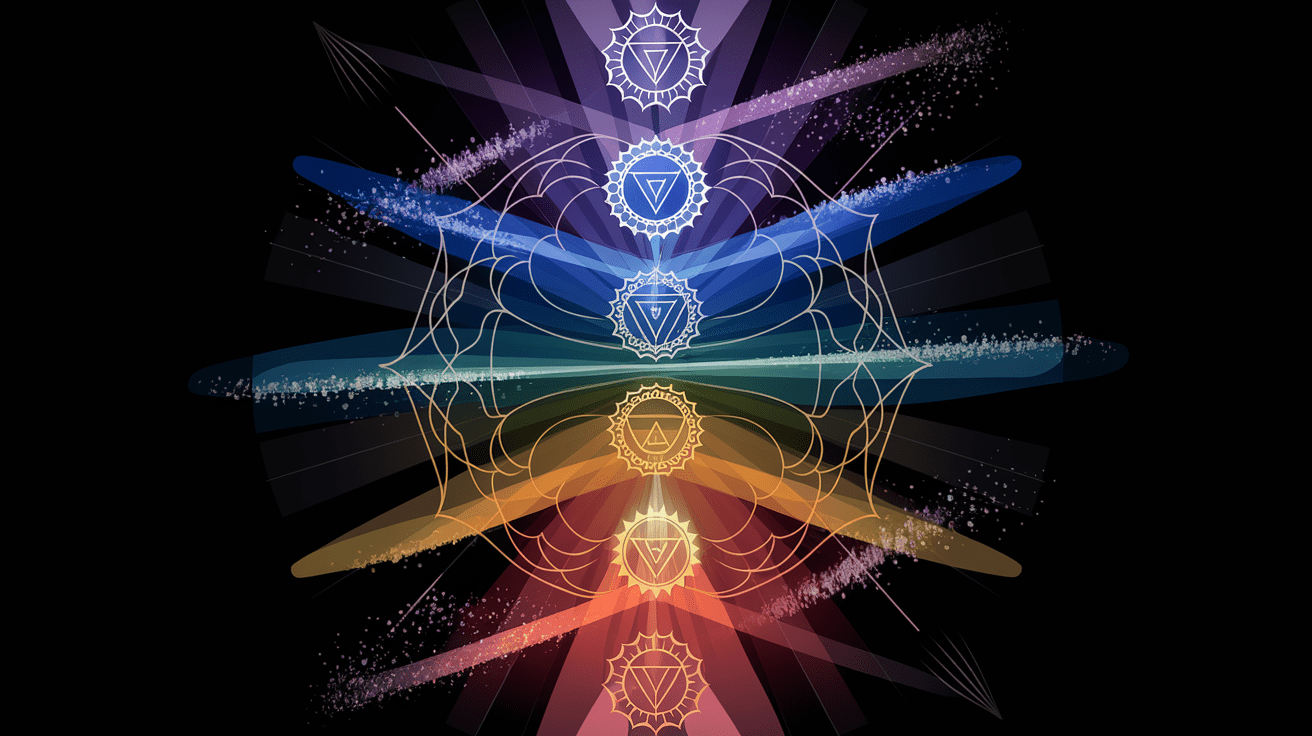
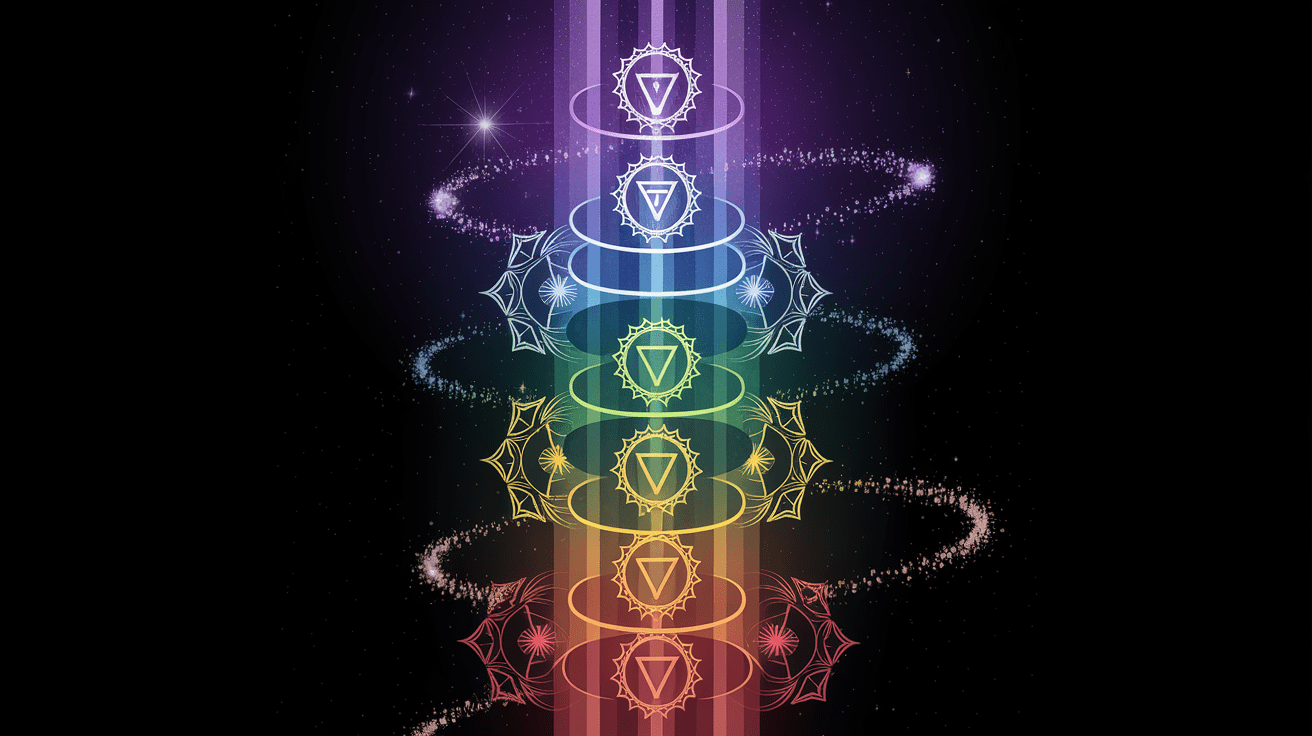
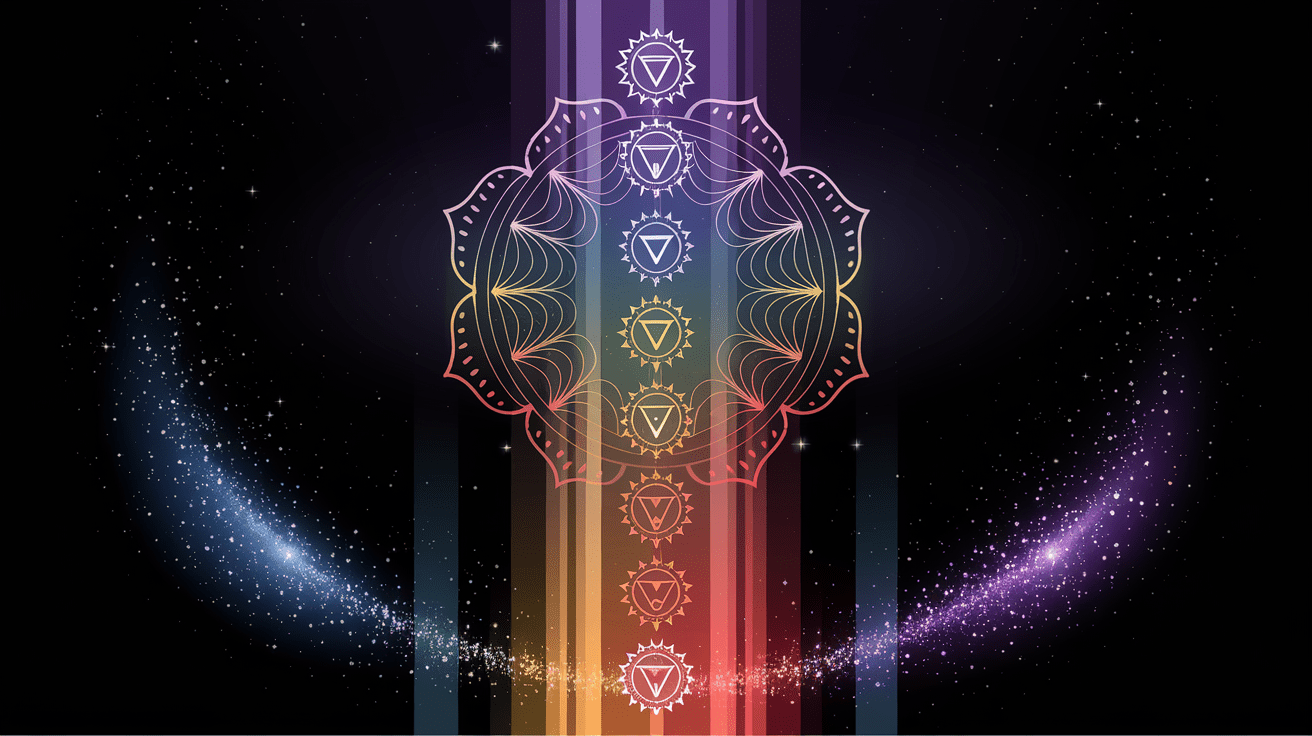
I’ve been working with clients for over two decades, and I can tell you that when someone comes to me feeling “stuck” or “out of balance,” nine times out of ten, we discover an energy center that needs attention. These swirling vortexes of life force energy, known as chakras, are like the gears in a clock — when one gets jammed, the whole mechanism starts to falter. The word “chakra” literally means “wheel” in Sanskrit, and these seven main energy centers run along your spine, each governing specific aspects of your physical, emotional, and spiritual health.
By the time you finish reading this article, you’ll be able to identify which of your chakras might be overactive, underactive, or blocked just by noticing how you feel throughout your day. You’ll learn the unique color, element, and purpose of each chakra, plus simple, practical techniques to bring them back into harmony. Whether you’re a complete beginner or someone who’s dabbled in energy work before, this guide will give you the tools to tune into your body’s wisdom and create more flow in your life. Ready to discover what your energy centers have been trying to tell you? Let’s start with the foundation — the root chakra — and work our way up to the crown.
What Are Chakras? The Ancient Energy Centers That Shape Your Life
You’ve probably heard the word “chakra” tossed around in yoga class or seen rainbow-colored charts online. But what are chakras really? The term comes from Sanskrit, meaning “wheel” or “disk,” and refers to the spinning vortexes of energy that run along your spine, connecting your physical body to your subtle energy field.
Think of chakras as your body’s internal energy management system. Each one acts like a spinning wheel that draws in life force (called prana in Sanskrit) from the universe and distributes it throughout your being. When these wheels spin freely, energy flows smoothly. When they’re blocked or spinning too fast or slow, you feel it—physically, emotionally, and spiritually.
The chakra system maps directly onto your nervous system and endocrine glands. The root chakra at the base of your spine corresponds to your adrenal glands and fight-or-flight response. Your heart chakra aligns with your thymus gland and immune system. Even your throat chakra connects to your thyroid, regulating metabolism and energy levels. This isn’t just mystical thinking—it’s your body’s way of processing both physical and energetic information.
The Vedic Origins: How Ancient India Discovered the Chakra System
The chakra system dates back over 3,000 years to ancient India’s Vedic traditions. Rishis (spiritual sages) meditating in deep states of consciousness mapped these energy centers through direct experience. They described seven main chakras, each with specific qualities, colors, elements, and even sounds (called bija mantras).
These ancient seers understood something modern science is only now beginning to validate: your body is more than just physical matter. It’s a complex energy field where thoughts, emotions, and physical sensations constantly interact. The Vedic texts describe how prana flows through nadis (energy channels), much like blood flows through veins. When this flow is balanced, you experience health and vitality. When it’s disrupted, illness and emotional distress follow.
Why Modern Science Is Finally Catching Up to Chakra Wisdom
✨ Try Our Free Free Tarot Reading ✨
Receive spiritual guidance through the wisdom of the tarot.
Western medicine is catching up to what Eastern traditions have known for millennia. Research in psychoneuroimmunology shows how your thoughts and emotions directly impact your nervous system and immune response. Studies on the gut-brain axis reveal how your “second brain” in your digestive system influences mood and cognition.
The chakra system anticipated these discoveries by mapping how energy centers affect specific bodily functions. For instance, the solar plexus chakra governs digestion and personal power—when you’re stressed, you get “butterflies” in your stomach. The throat chakra affects communication and self-expression—when it’s blocked, you might experience thyroid issues or chronic sore throats.
Here’s a comparison of how chakras align with modern understanding:
| Chakra | Location | Physical Correlation | Modern Equivalent |
|---|---|---|---|
| Root | Base of spine | Adrenal glands, survival instincts | Fight-or-flight response |
| Sacral | Lower abdomen | Reproductive organs, kidneys | Emotional processing center |
| Solar Plexus | Upper abdomen | Digestive system, pancreas | Gut-brain connection |
| Heart | Center of chest | Heart, thymus, lungs | Emotional regulation |
| Throat | Throat area | Thyroid, vocal cords | Communication center |
| Third Eye | Forehead | Pineal gland, brain | Intuition, perception |
| Crown | Top of head | Pituitary gland, nervous system | Consciousness gateway |
Ready to feel your chakras in action? Place one hand on your heart and take three deep breaths. Notice any warmth, tingling, or subtle energy. That’s your heart chakra responding to your awareness—proof that these energy centers are real and responsive to your attention.
Want to explore how your unique energy blueprint affects your life? Use our Birth Chart Calculator to see how planetary positions influence your chakras and overall energy flow.
The 7 Chakras Explained: Names, Colors, and What Each One Controls
When I first began studying chakras in my early twenties, I was overwhelmed by Sanskrit names and abstract concepts. But once I understood that these energy centers are simply the body’s way of processing different aspects of life, everything clicked into place. Let me walk you through each of the seven chakras, their locations, colors, and what they govern.
Root Chakra (Muladhara) – The Foundation
Located at the base of your spine, the root chakra is your energetic foundation. Think of it as your energetic anchor, connecting you to the earth’s stability. This red energy center governs your basic survival needs: food, shelter, safety, and financial security.
When your root chakra is balanced, you feel grounded and secure. You’re not constantly worrying about money or feeling unsafe in your environment. Physical symptoms of imbalance might include lower back pain, sciatica, or issues with your legs and feet.
Quick tip: If you’re feeling anxious or ungrounded, try standing barefoot on grass for five minutes. Feel the earth supporting you—this simple practice can instantly activate and balance your root chakra.
Sacral Chakra (Svadhisthana) – The Creative Center
✨ Try Our Free Life Path Calculator ✨
Understand the spiritual mission encoded in your birth date.
Moving up to your lower abdomen, about two inches below your navel, you’ll find the orange sacral chakra. This is your pleasure center, governing creativity, sexuality, and emotional expression. It’s where your passion and joy live.
This energy center controls your reproductive organs, kidneys, and bladder. When balanced, you experience healthy relationships, creative flow, and emotional intelligence. Blockages here might manifest as creative blocks, sexual dysfunction, or difficulty processing emotions.
Solar Plexus Chakra (Manipura) – The Power Center
Located in your upper abdomen around the diaphragm, the yellow solar plexus chakra is your personal power center. This is where your confidence, willpower, and sense of self-worth reside. It’s literally your “gut instinct” center.
This chakra governs your digestive system, including your stomach, liver, and pancreas. When balanced, you trust yourself, set healthy boundaries, and feel motivated to pursue your goals. An imbalanced solar plexus might show up as digestive issues, low self-esteem, or difficulty making decisions.
Heart Chakra (Anahata) – The Bridge
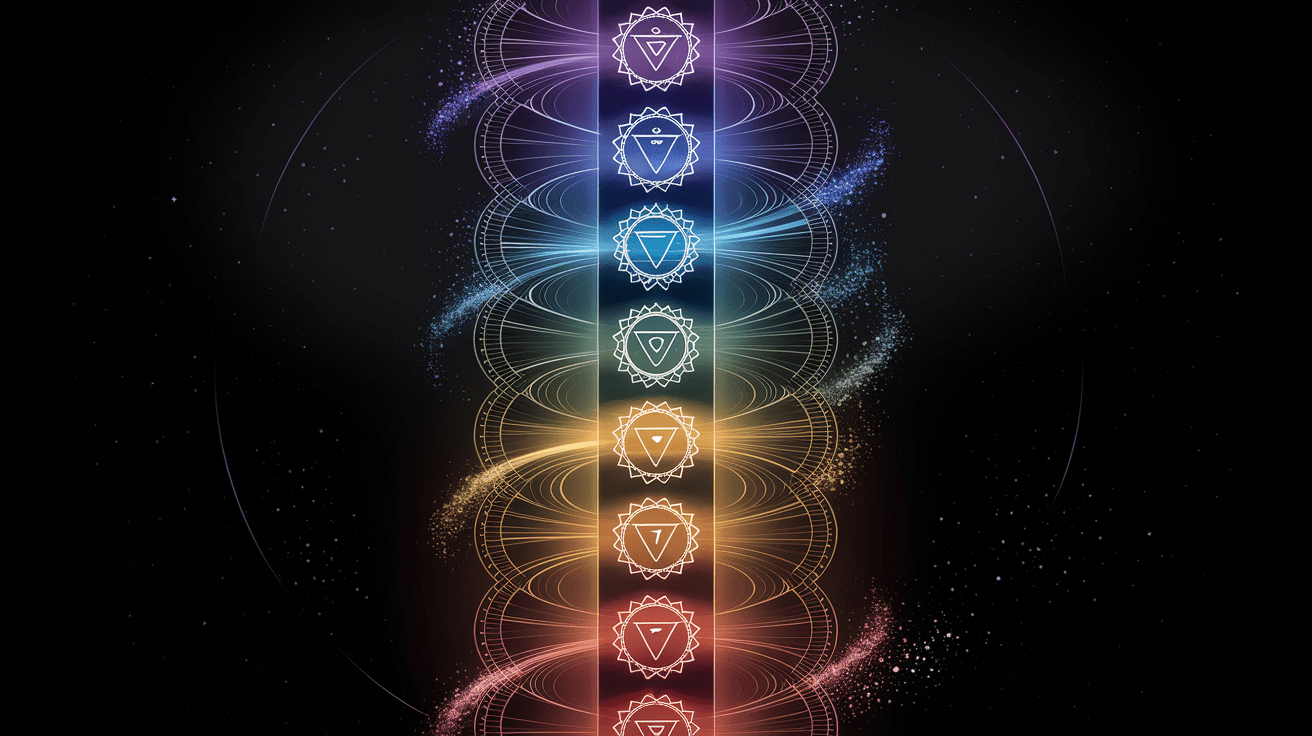
At the center of your chest, the green heart chakra serves as the bridge between your lower physical chakras and upper spiritual ones. This is where love, compassion, and connection live. It’s not just romantic love—it’s universal love and acceptance.
The heart chakra governs your heart, lungs, and circulatory system. When balanced, you experience empathy, forgiveness, and meaningful relationships. Blockages might manifest as heart problems, respiratory issues, or difficulty giving or receiving love.
Throat Chakra (Vishuddha) – The Voice
Located in your throat, the blue throat chakra is your communication center. This is where you express your truth, speak your mind, and share your authentic voice with the world.
This chakra governs your throat, thyroid, and mouth. When balanced, you communicate clearly and authentically. You’re able to express your needs and listen to others. Imbalances might show up as thyroid issues, sore throats, or difficulty speaking your truth.
Third Eye Chakra (Ajna) – The Intuitive Center
Between your eyebrows sits the indigo third eye chakra, your center of intuition and inner wisdom. This is where your psychic abilities, imagination, and higher perception reside.
The third eye governs your brain, eyes, and pituitary gland. When balanced, you trust your intuition, have vivid dreams, and see beyond the obvious. Blockages might manifest as headaches, vision problems, or feeling disconnected from your inner guidance.
Crown Chakra (Sahasrara) – The Spiritual Gateway
At the very top of your head, the violet or white crown chakra connects you to universal consciousness and divine wisdom. This is your spiritual antenna, receiving and transmitting higher frequencies.
The crown chakra doesn’t govern specific physical organs but influences your nervous system and brain function. When balanced, you feel connected to something greater than yourself, experience spiritual awakening, and understand your life’s purpose. Blockages might manifest as feeling disconnected, cynical, or spiritually lost.
Quick Reference: Chakra Colors and Their Spiritual Significance
Here’s a handy chart to help you remember each chakra’s color and meaning:
| Chakra | Location | Color | Element | Governs |
|---|---|---|---|---|
| Root (Muladhara) | Base of spine | Red | Earth | Survival, stability |
| Sacral (Svadhisthana) | Lower abdomen | Orange | Water | Creativity, pleasure |
| Solar Plexus (Manipura) | Upper abdomen | Yellow | Fire | Power, confidence |
| Heart (Anahata) | Center of chest | Green | Air | Love, compassion |
| Throat (Vishuddha) | Throat | Blue | Sound | Communication, truth |
| Third Eye (Ajna) | Between eyebrows | Indigo | Light | Intuition, wisdom |
| Crown (Sahasrara) | Top of head | Violet/White | Thought | Spirituality, connection |
Understanding these energy centers is the first step to working with them. In the next section, we’ll explore how to tell when your chakras are out of balance and what that feels like in your daily life.
Section 3: Muladhara Chakra — Your Foundation of Stability and Survival
At the base of your spine, nestled between the perineum and the first lumbar vertebrae, sits Muladhara — your root chakra. This energy center is your foundation, the energetic equivalent of a house’s foundation. Without a solid base, everything built above it becomes unstable. The Sanskrit word Muladhara breaks down into mula (root) and adhara (support or base), perfectly capturing its function as your energetic anchor to the physical world.
Muladhara governs your most primal needs: survival, safety, and belonging. It’s the chakra that asks, “Do I have what I need to exist?” When this energy center functions optimally, you feel secure in your body, confident in your ability to meet basic needs, and connected to the earth beneath your feet. Think of it as your energetic grounding cord — the invisible tether that keeps you present and stable even when life gets chaotic.
The root chakra resonates with the color red — the slowest vibration in the visible spectrum, just as Muladhara represents the slowest, most dense energy in your chakra system. Red symbolizes vitality, courage, and the life force itself. This connection to the color red isn’t arbitrary; it mirrors the chakra’s association with the earth element (prithvi in Sanskrit). Just as earth provides structure, stability, and nourishment for all life, your root chakra provides the energetic structure for your entire being.
When Muladhara is balanced, you experience a profound sense of belonging — to your body, your family, your community, and the earth itself. You trust that you belong here, that you have a right to take up space and exist fully. This isn’t about material wealth; it’s about feeling fundamentally supported by life itself.
Signs of Root Chakra Imbalance: When Your Foundation Cracks
A blocked or overactive Muladhara manifests in surprisingly specific ways. Financial anxiety often tops the list — not just worrying about money, but a pervasive fear that you won’t have enough to survive. This goes beyond normal budgeting concerns; it’s a deep-seated terror that the bottom might fall out at any moment.
Physical symptoms include lower back pain, sciatica, varicose veins, and issues with the feet, legs, and bones. Since Muladhara governs the adrenal glands, chronic stress and anxiety often indicate an overactive root chakra — your body stuck in perpetual fight-or-flight mode. You might notice yourself hoarding possessions, becoming overly attached to material security, or feeling unable to trust others.
On the flip side, an underactive root chakra can leave you feeling spacey, disconnected from your body, or unable to focus. You might struggle with commitment, constantly changing jobs or relationships, or feel like you’re floating through life without solid ground beneath you. Some people describe this as feeling like they’re watching their life rather than living it.
Common root chakra imbalances include:
- Chronic financial worry despite adequate resources
- Fear of change or new experiences
- Difficulty feeling safe in your own home
- Hoarding behaviors or extreme frugality
- Physical issues in the lower body (hips, legs, feet)
- Feeling disconnected from your body or the physical world
- Inability to trust others or ask for help
Root Chakra Healing: Simple Grounding Techniques That Work
Healing Muladhara doesn’t require expensive retreats or complicated rituals. The most effective techniques are often the simplest — because they reconnect you with the earth element itself. Here’s a step-by-step grounding practice you can do anywhere, anytime you feel unmoored:
Step-by-Step Root Chakra Grounding Practice:
- Find your connection point – Stand barefoot on grass, soil, or even concrete (yes, concrete works — it’s made from earth materials). If you can’t go outside, sit in a chair with your feet flat on the floor.
- Visualize your roots – Close your eyes and imagine roots growing from the soles of your feet, extending deep into the earth. Picture them reaching bedrock, then spreading outward like tree roots.
- Breathe with intention – Inhale deeply through your nose for a count of four, imagining you’re drawing earth energy up through your roots. Hold for four counts. Exhale slowly through your mouth for six counts, releasing any tension or fear down through your roots.
- Affirm your safety – Silently repeat: “I am safe. I am supported. I belong here.” Feel these words resonating in your bones.
- Physical grounding – Press your feet firmly into the ground, feeling the solid support beneath you. Notice the temperature, texture, and stability of the surface.
For an extra boost, try this practice during the Taurus lunar cycle (when the Moon transits through Taurus), as this earth sign naturally activates Muladhara energy. You can track these lunar transits using our Moon Phase Calendar to align your grounding practices with cosmic timing.
Crystals for root chakra healing include red jasper, black tourmaline, hematite, and smoky quartz. Keep one in your pocket during stressful days, or place it at your feet during meditation. The specific gravity of these stones — their literal weight — provides a tactile reminder of earth’s stabilizing presence.
Remember, Muladhara healing is about building trust — trust in yourself, trust in the universe, trust that you belong exactly where you are. When your root chakra is balanced, you don’t just survive; you thrive from a place of deep, unshakable security.
Sacral Chakra: Unlocking Creativity and Emotional Flow
Have you ever felt stuck in a creative rut or struggled to connect with your emotions? Your sacral chakra might be calling for attention. Located just below your navel, the sacral chakra—known in Sanskrit as Svadhisthana—is your center of pleasure, passion, and creative expression. This vibrant energy center governs your ability to experience joy, form intimate connections, and flow with life’s rhythms rather than resist them.
The sacral chakra resonates with the color orange—think of the warm glow of a sunset or the rich hue of a ripe mango. This color represents enthusiasm, vitality, and the joy of being alive. Its associated element is water, symbolizing fluidity, adaptability, and the ability to go with the flow. When your sacral chakra is balanced, you feel emotionally intelligent, creatively inspired, and comfortable in your own skin. You can experience pleasure without guilt and express your feelings without fear.
When this energy center becomes blocked, however, the effects can be profound. You might notice creative blocks that leave you feeling uninspired or unable to complete artistic projects. Relationship issues often stem from sacral imbalances—difficulty with intimacy, fear of vulnerability, or patterns of emotional unavailability. Physical manifestations can include lower back pain, reproductive issues, or problems with the kidneys and bladder, as these organs fall within the sacral chakra’s domain.
Water Element Practices to Awaken Your Sacral Energy
Since the sacral chakra is associated with the water element, working with water can be incredibly healing. Here are specific practices to help you reconnect with your creative and emotional flow:
- Moon bathing: Spend time under the moonlight, especially during the waxing moon phase when creative energy naturally builds
- Salt water baths: Add sea salt or Epsom salts to your bath to cleanse your energy field and soothe emotional tension
- Fluid movement: Practice dance, tai chi, or yoga flows that emphasize hip-opening movements and fluid transitions
- Journaling by water: Write near a body of water or with a glass of water beside you, allowing your emotions to flow onto the page
- Sound healing: Listen to or chant the sacral chakra’s seed mantra “VAM” (pronounced “vum”) to activate this energy center
One of my clients, a 34-year-old graphic designer, came to me feeling completely burned out and creatively blocked. Her natal Moon was in Scorpio, making her particularly sensitive to emotional undercurrents but also prone to creative stagnation when stressed. We discovered her sacral chakra was severely imbalanced—she couldn’t remember the last time she’d felt genuine joy or creative inspiration.
Through a combination of water element practices and working with orange calcite crystals, she began to reconnect with her creative essence. She started taking weekly dance classes and created a ritual of journaling by her bathtub three times a week. Within two months, not only had her creativity returned, but she also reported feeling more emotionally available in her relationships.
The sacral chakra teaches us that creativity isn’t just about art—it’s about how we approach life itself. Are you flowing with possibility or damming up your potential? Try this simple exercise right now: close your eyes and imagine a vibrant orange light glowing in your lower abdomen. Take three deep breaths, visualizing this light expanding with each inhale. On each exhale, release any tension or resistance you’re holding. This quick practice can help you tap into your sacral energy whenever you need a creative or emotional boost.
Would you like to explore how your astrological chart influences your sacral chakra energy? Our Chakra Alignment Calculator can reveal which chakras need the most attention based on your birth chart.
Solar Plexus Chakra: Finding Your Personal Power and Confidence
Your solar plexus chakra sits right above your navel, where your diaphragm rises and falls with each breath. This energy center, known in Sanskrit as Manipura (meaning “city of jewels”), radiates a vibrant yellow light and governs your personal power, willpower, and self-esteem. When this chakra is balanced, you stand tall with confidence, make decisions with clarity, and pursue your goals with unwavering determination.
The solar plexus connects to the element of fire, representing transformation and the burning away of what no longer serves you. Think of it as your inner sun—the source of your vitality and drive. This energy center influences your digestive system, metabolism, and adrenal glands, making it physically connected to how you process not just food, but also experiences and emotions.
Symptoms of Solar Plexus Imbalance
When your solar plexus chakra is blocked or overactive, you might experience:
- Chronic self-doubt and difficulty making decisions
- Digestive problems like acid reflux, ulcers, or irritable bowel syndrome
- Feeling powerless in situations where you should be assertive
- Perfectionism or controlling behavior toward others
- Fatigue and low energy, especially in the afternoon
- Difficulty setting boundaries or saying “no”
An underactive solar plexus often manifests as people-pleasing tendencies and a lack of direction in life. You might find yourself constantly seeking approval from others or feeling like a victim of circumstances. On the flip side, an overactive solar plexus can lead to aggression, arrogance, and a need to dominate every situation.
Fire Element Rituals to Strengthen Your Inner Warrior
Since the solar plexus is connected to the fire element, working with fire energy can help restore balance to this chakra. Here’s a powerful ritual you can try:
Solar Fire Meditation: Sit comfortably and place your hands on your upper abdomen. Visualize a bright yellow sun glowing in your solar plexus. With each inhale, imagine drawing golden light into this area. With each exhale, feel the warmth expanding throughout your body. Continue for 5-10 minutes, allowing the fire energy to burn away self-doubt and ignite your inner strength.
Courageous Action Practice: Each day, do one small thing that scares you but aligns with your goals. This could be speaking up in a meeting, setting a boundary with a loved one, or starting that creative project you’ve been putting off. These micro-bravery moments strengthen your solar plexus over time.
Solar Plexus Breathing Exercise: Stand with your feet shoulder-width apart. As you inhale deeply through your nose, raise your arms overhead while saying “I am powerful.” As you exhale through your mouth, bring your hands down to your solar plexus while saying “I am confident.” Repeat 10 times, feeling the fire energy building in your core.
Case Study: Sarah’s Journey to Self-Confidence
Sarah, a 34-year-old graphic designer, came to me feeling stuck in her career. She had brilliant ideas but couldn’t assert herself in client meetings. Her solar plexus chakra was severely blocked—she described feeling a “knot” in her stomach whenever she had to present her work.
We started with simple breathing exercises to activate her solar plexus. I suggested she wear yellow clothing on important work days and carry a piece of citrine crystal (known for boosting confidence and personal power). Within three months, Sarah reported feeling more comfortable speaking up in meetings. She even pitched a new project idea that her boss loved, leading to a promotion.
The transformation wasn’t just mental—her digestive issues cleared up as her solar plexus energy balanced. She learned to trust her gut instincts, both literally and figuratively. Sarah’s story shows how physical symptoms often mirror energetic blocks, and how addressing the energy center can create ripple effects throughout your life.
Quick Confidence Boost: When you need an instant confidence boost, try this: Stand in a powerful pose (think Wonder Woman stance—feet apart, hands on hips) for two minutes. This simple posture actually increases testosterone and decreases cortisol, giving you a real biochemical confidence boost. Your body believes what your mind tells it, so stand tall and own your power.
Your solar plexus is your internal compass for navigating life’s challenges. When this chakra is balanced, you trust yourself to make the right decisions, even when the path ahead seems uncertain. You become the author of your own story rather than a character reacting to someone else’s script.
Heart Chakra: The Bridge Between Physical and Spiritual Love
The heart chakra, known as Anahata in Sanskrit (meaning “unstruck” or “unbeaten”), sits at the center of your chest at the fourth energy center in the chakra system. This is where the lower three chakras—dealing with material existence—meet the upper three chakras—connecting to spiritual awareness. The heart chakra serves as your energetic bridge between earthly concerns and divine love, creating harmony between giving and receiving, self and other.
Anahata governs your capacity for unconditional love, compassion, forgiveness, and emotional connection. When this chakra flows freely, you experience deep empathy, genuine self-acceptance, and the ability to form meaningful relationships without fear or attachment. The heart chakra doesn’t just control romantic love—it encompasses love for humanity, nature, and yourself.
The Green Light of Healing and Connection
The heart chakra vibrates with the color green, symbolizing growth, healing, and renewal. Green represents the middle point on the color spectrum, perfectly positioned between the warm colors of the lower chakras and the cool colors of the upper chakras. This balancing energy mirrors the heart chakra’s role as mediator between physical and spiritual realms.
Associated with the air element, Anahata moves like a gentle breeze—sometimes barely perceptible, other times powerful enough to transform landscapes. Air represents freedom, expansion, and the breath of life itself. When you breathe deeply into your heart center, you activate this chakra’s healing potential.
The heart chakra governs the thymus gland (crucial for immune function), heart, lungs, and circulatory system. Physically, a blocked heart chakra may manifest as heart problems, asthma, or immune disorders. Emotionally, you might experience loneliness, jealousy, fear of intimacy, or an inability to forgive yourself or others.
How Heart Chakra Blocks Affect Relationships and Self-Love
When your heart chakra becomes blocked or imbalanced, the effects ripple through every relationship in your life. You might find yourself building emotional walls after past hurts, afraid to open up again. This protective mechanism seems logical but actually prevents you from experiencing the very love and connection you crave.
Common heart chakra blocks include:
- Holding onto resentment or grudges
- Self-criticism and harsh judgment toward yourself
- Fear of vulnerability or rejection
- Codependent patterns where you give too much or take too little
- Difficulty accepting love or compliments
- Emotional numbness or inability to feel joy
These blocks often stem from childhood experiences where love felt conditional or where you learned to protect your heart from pain. The irony is that by closing your heart, you cut yourself off from life’s most profound healing force—love itself.
Heart-Opening Practices for Deeper Connection and Forgiveness
Ready to open your heart chakra and invite more love into your life? These practices work directly with Anahata’s energy:
Heart-Breathing Meditation: Sit quietly and place one hand on your heart. Breathe deeply, imagining emerald green light filling your chest with each inhale. With each exhale, release any tension or pain stored in your heart. Practice for 5-10 minutes daily.
Loving-Kindness (Metta) Practice: Silently repeat phrases like “May I be happy. May I be healthy. May I be safe. May I live with ease.” Then extend these wishes to loved ones, acquaintances, and eventually all beings.
Heart-Opening Yoga Poses: Backbends like cobra, camel, and bridge pose physically open the chest area, releasing stored emotional tension. Hold each pose for 5-10 breaths while focusing on your heart center.
Forgiveness Ritual: Write a letter to someone who hurt you (you don’t need to send it). Express your feelings fully, then consciously choose to release the pain. Burn the letter as a symbolic gesture of letting go.
Crystal Healing: Work with rose quartz, green aventurine, or emerald. Hold the crystal over your heart during meditation, or wear it as jewelry to keep heart-healing energy close.
One powerful practice is the “heart hug”—placing your right hand over your left on your heart and gently squeezing. This simple gesture activates your heart’s electromagnetic field and sends signals of safety to your nervous system.
The heart chakra reminds us that love isn’t something you earn or deserve—it’s your natural state. When you release the blocks and allow your heart to open, you tap into an endless wellspring of compassion that transforms not only your relationships but your entire experience of being alive.
Ready to explore how your heart chakra connects to your astrological chart? Try our Free Birth Chart Calculator to see how Venus and the Moon influence your capacity for love and emotional connection.
Throat Chakra: Finding Your Authentic Voice and Truth
Have you ever held back words that desperately wanted to be spoken? Or felt a lump in your throat when trying to express your truth? That’s your throat chakra—Vishuddha in Sanskrit—trying to get your attention.
Located at the center of your neck, the throat chakra governs communication, self-expression, and authenticity. It’s the fifth of the seven chakras and serves as the bridge between your heart and your mind. When your throat chakra is balanced, you speak your truth with clarity and confidence. When it’s blocked, you might find yourself either unable to speak up or talking too much without saying anything meaningful.
The throat chakra resonates with the color blue—specifically a bright, sky-blue hue that represents the ether element. Ether is the subtlest of all elements, representing space, sound, and the vibrational nature of reality itself. This is why your voice carries such power—it’s literally sound traveling through space, creating ripples in the energetic fabric of existence.
Signs of Throat Chakra Imbalance
When your throat chakra is out of balance, the symptoms can be both physical and emotional:
Physical manifestations:
- Chronic sore throat or frequent throat infections
- Thyroid disorders (the thyroid gland sits right at the throat chakra)
- Neck pain and stiffness
- Dental issues and jaw tension
- Hoarseness or loss of voice
Emotional and energetic signs:
- Fear of speaking in public or expressing your opinion
- Creative blocks—you have ideas but can’t bring them to life
- People-pleasing tendencies and difficulty saying “no”
- Gossiping or speaking negatively about others
- Feeling misunderstood or unable to articulate your thoughts
Relationship patterns:
- Difficulty setting boundaries
- Codependent behaviors
- Feeling unheard in relationships
- Avoiding confrontation at all costs
Voice Activation Techniques to Clear Your Throat Chakra
Your voice is your most powerful tool for throat chakra healing. Here are practical techniques I’ve used with clients for over two decades:
1. Humming and toning exercises Start your day with 5 minutes of humming. Find a comfortable pitch and let the vibration resonate in your throat and chest. This simple practice stimulates the thyroid and clears energetic blockages. Try the sound “mmm” on different pitches—notice where you feel the vibration most strongly.
2. Journaling without censorship Before speaking your truth to others, practice speaking it to yourself. Set a timer for 10 minutes and write continuously without stopping, editing, or judging. This bypasses your inner critic and helps you discover what you actually want to say.
3. The “three breaths” technique Before difficult conversations, take three conscious breaths. On the first breath, connect with your intention. On the second, feel the truth in your body. On the third, speak from that grounded place. This simple practice has helped countless clients navigate challenging discussions with grace.
4. Singing—even if you think you can’t Your throat chakra doesn’t care about talent; it responds to vibration and expression. Sing in the shower, in your car, or while cooking dinner. Choose songs that resonate with your current emotional state—melancholy songs for processing grief, uplifting songs for joy, angry songs for releasing frustration.
5. Blue light visualization During meditation, visualize a bright blue light at your throat. Imagine it spinning clockwise, growing brighter with each breath. This visualization helps activate and balance the energy center. You can enhance this practice by holding blue crystals like lapis lazuli or blue lace agate near your throat.
6. Speaking affirmations aloud Words have power, especially when spoken aloud. Try these throat chakra affirmations daily: “I speak my truth with clarity and confidence,” “My voice matters and is heard,” “I express myself freely and creatively.”
7. Energy healing and sound therapy Certain frequencies specifically target the throat chakra. The musical note G and the frequency 741 Hz are particularly effective. You can find throat chakra healing tracks online or work with a sound healer who uses tuning forks or crystal bowls.
The throat chakra teaches us that authenticity requires courage. It’s not always comfortable to speak your truth, but the alternative—swallowing your words and living inauthentically—creates far more suffering in the long run.
Remember, your voice is unique. No one else has your perspective, your experiences, or your way of expressing ideas. When you honor your throat chakra, you give yourself permission to be fully seen and heard—and in doing so, you give others permission to do the same.
The journey to finding your authentic voice isn’t about becoming someone different; it’s about removing the layers of fear and conditioning that have kept your true self hidden. Each time you choose to speak your truth, even in small ways, you strengthen this vital energy center and step more fully into your power.
Next, we’ll explore the third eye chakra—the center of intuition and inner wisdom that helps you discern truth beyond words.
Third Eye Chakra: Awakening Intuition and Inner Vision
The third eye chakra, known as Ajna in Sanskrit (meaning “command” or “perceive”), sits at the center of your forehead, just above the space between your eyebrows. This sixth chakra governs your inner vision, intuition, and connection to higher wisdom. When your third eye is open and balanced, you experience clarity of thought, heightened perception, and a deep sense of knowing that transcends ordinary logic.
Ajna’s indigo color reflects the deep mysteries of consciousness and the vast expanse of the night sky. This chakra connects to the light element (tejas), representing illumination, insight, and the spark of divine awareness that exists within all of us. In my two decades of practice, I’ve noticed that clients with prominent third eye energy often have their natal Moon or Neptune in water signs or in aspect to Mercury, creating a natural sensitivity to subtle energies.
When your third eye chakra is blocked, you might feel lost in life’s direction, unable to trust your instincts, or disconnected from your spiritual path. You may second-guess every decision, feel mentally foggy, or experience vivid nightmares instead of intuitive dreams. Physical manifestations can include headaches, vision problems, or difficulty concentrating. One client, a Pisces rising with her Sun in the 12th house, came to me feeling completely adrift—her third eye was so blocked she couldn’t hear her own inner guidance.
Third Eye Activation: Practices to Enhance Your Inner Sight
Opening your third eye requires patience and gentle persistence. Here’s a step-by-step approach to awaken your intuitive abilities:
- Create Sacred Space
- Find a quiet room where you won’t be disturbed
- Dim the lights or use a single candle
- Sit comfortably with your spine straight
- Place your palms face-up on your knees
- Focus Your Attention
- Gently close your eyes
- Bring your awareness to the space between your eyebrows
- Imagine an indigo light glowing at your third eye center
- Take slow, deep breaths, feeling the light expand with each inhale
- Activate Your Inner Vision
- Visualize a lotus flower with two petals opening at your third eye
- See these petals unfurling like a camera shutter
- Notice any colors, symbols, or impressions that arise
- Don’t force visions—simply observe what emerges
- Strengthen Your Intuition
- Practice daily for 10-15 minutes
- Keep a dream journal by your bed
- Pay attention to “gut feelings” throughout your day
- Notice when your intuition proves accurate
Try this right now: Place your fingertips gently on your third eye point. Take three deep breaths while visualizing indigo light. Ask yourself a simple yes/no question you already know the answer to. Notice how your body responds—this is your intuition speaking.
Crystals that resonate with Ajna include amethyst (especially pieces with natural terminations), lapis lazuli, and sodalite. These stones help clear mental fog and enhance psychic perception. During Mercury retrograde periods, third eye work becomes particularly potent—the planet’s backward motion often reveals hidden truths and intuitive downloads.
The third eye chakra bridges your physical and spiritual selves, allowing you to see beyond the veil of ordinary perception. When balanced, it becomes your inner compass, guiding you toward your highest path with wisdom that transcends rational thought.
Crown Chakra: Connecting to Divine Consciousness and Universal Wisdom
At the very top of your head sits the crown chakra, known in Sanskrit as Sahasrara — meaning “thousand-petaled lotus.” This seventh chakra represents your connection to the divine, universal consciousness, and the infinite wisdom that transcends individual experience. Where the third eye chakra perceives through intuition, the crown chakra simply knows through direct spiritual connection.
The crown chakra’s violet and white colors symbolize cosmic consciousness, spiritual enlightenment, and the merging of all colors into pure light. Think of it as your personal antenna to the universe — when open and balanced, you feel connected to something greater than yourself, experiencing moments of profound insight, unity, and purpose.
Crown Chakra Meditation: Opening to Higher Consciousness
Meditation is the most powerful tool for crown chakra activation. Here’s a simple practice to try:
- Find a quiet space and sit comfortably with your spine straight
- Visualize a thousand-petaled lotus at the crown of your head, slowly opening
- Imagine violet or white light pouring down from the universe into your crown
- Breathe deeply, allowing this light to fill your entire being
- Sit in this expanded state for 5-10 minutes, simply being rather than thinking
Many people experience crown chakra awakening during significant astrological transits — particularly when Jupiter or Neptune forms harmonious aspects to their natal Sun or Moon. These cosmic alignments can trigger profound spiritual insights and a sense of universal connection.
Symptoms of crown chakra imbalance include feeling spiritually disconnected, experiencing an existential crisis, or lacking a sense of purpose. You might question your existence, feel isolated from others, or struggle to find meaning in daily life. Physical manifestations can include migraines, sensitivity to light, or neurological issues.
When your crown chakra is balanced, you experience:
- A deep sense of connection to all beings
- Trust in divine timing and universal flow
- Ability to receive spiritual guidance and insights
- Feeling of purpose and meaning in your life’s path
- Transcendence of ego-based thinking
The crown chakra doesn’t work in isolation — it requires the foundation of all six lower chakras to be stable. Think of it like building a tower: you need strong base chakras before you can safely open to higher consciousness. This is why many spiritual traditions emphasize grounding practices alongside meditation.
Certain crystals can support crown chakra healing, particularly clear quartz, amethyst, and selenite. These stones carry high vibrational frequencies that resonate with divine energy. You might place them on your altar during meditation or wear them as jewelry to maintain energetic alignment throughout your day.
The crown chakra also connects to your karmic patterns and soul’s evolutionary journey. Through this energy center, you can access information about your soul contracts, past lives, and higher purpose. This is where numerology and astrology become powerful tools — your birth chart and life path number can reveal the spiritual lessons your crown chakra is working to integrate in this lifetime.
Would you like to explore how your unique astrological chart influences your crown chakra’s expression? Consider booking a personal reading to discover the cosmic blueprint of your spiritual connection.
How to Balance Your Chakras: Practical Techniques for Daily Alignment
You don’t need expensive crystals or a yoga studio membership to balance your chakras. The most powerful healing often happens in the quiet moments of your daily life. I’ve seen clients transform their energy with simple, consistent practices that take less than 10 minutes a day.
Your breath is your most accessible tool. When you feel anxiety rising or creativity blocked, try this: sit with your spine straight and breathe deeply into your belly for four counts, hold for four, exhale for six. This simple pranayama activates your parasympathetic nervous system and begins to clear energetic congestion. One client with chronic writer’s block started doing this before her writing sessions and noticed her words flowing freely within three days.
Sound frequencies resonate with each chakra’s vibration. You can find free chakra-balancing music online or use these simple tones: C for root (256 Hz), D for sacral (288 Hz), E for solar plexus (320 Hz), F for heart (341 Hz), G for throat (384 Hz), A for third eye (426 Hz), and B for crown (480 Hz). Hum along or simply listen while meditating. The vibrations help break up stagnant energy.
Movement releases blocked energy. You don’t need a full yoga practice—gentle stretches targeting each chakra area work wonders. For your root chakra, stand barefoot and imagine roots growing from your feet into the earth. For your sacral, try hip circles. Solar plexus benefits from twists. Heart chakra opens with arm stretches across your chest. Throat responds to neck rolls. Third eye to gentle forward folds. Crown to seated meditation with your palms facing upward.
Chakra-Specific Affirmations and Mantras
Each chakra responds to specific affirmations that reprogram limiting beliefs. Here are powerful statements you can repeat daily:
- Root (Muladhara): “I am safe. I am supported. I belong here.”
- Sacral (Svadhisthana): “I embrace pleasure. I create freely. Life flows through me.”
- Solar Plexus (Manipura): “I am confident. I make decisions with clarity. I honor my power.”
- Heart (Anahata): “I give and receive love equally. My heart is open and healing.”
- Throat (Vishuddha): “My voice matters. I speak my truth with courage.”
- Third Eye (Ajna): “I trust my intuition. I see clearly. I am guided.”
- Crown (Sahasrara): “I am connected to divine wisdom. I surrender to what is.”
Sanskrit mantras carry specific vibrational frequencies. Try these seed mantras (bija): Lam (root), Vam (sacral), Ram (solar plexus), Yam (heart), Ham (throat), Sham or Aum (third eye), and Aum (crown). Chant them aloud or silently for 108 repetitions using a mala if you have one.
How Planetary Transits Affect Chakra Alignment
According to Vedic astrology, planetary movements directly influence your chakras. When Mars transits your first house, your root chakra may feel activated—you might experience increased energy but also potential anger if imbalanced. Saturn’s influence often creates root chakra anxiety about security and stability.
Jupiter’s transit through water signs activates the sacral chakra. When Jupiter was in Cancer last year, many clients reported heightened creativity and emotional sensitivity. Mercury retrograde frequently affects the throat chakra, causing communication mishaps and misunderstandings.
The Moon’s daily movement through the zodiac creates subtle shifts in your emotional body. When the Moon is in Scorpio, your sacral chakra may feel more intense. In Taurus, your root chakra seeks comfort and grounding. Tracking these lunar influences helps you anticipate energetic patterns.
Eclipses create powerful chakra clearing opportunities. Solar eclipses often trigger root chakra releases around identity and security. Lunar eclipses tend to activate the sacral and heart chakras, bringing emotional patterns to the surface for healing.
The 7-Day Chakra Balancing Challenge: A Step-by-Step Guide
Ready to create lasting energetic alignment? This seven-day challenge builds progressively, with each day’s practice supporting the next:
Day 1 – Root Foundation: Spend 10 minutes in mountain pose (Tadasana). Visualize red light at your tailbone while repeating “I am safe” 27 times. Eat root vegetables and walk barefoot on natural ground.
Day 2 – Creative Flow: Practice gentle hip-opening stretches for 15 minutes. Use orange visualization at your lower belly. Journal about your creative desires without judgment. Drink plenty of water.
Day 3 – Personal Power: Do core-strengthening exercises for 10 minutes. Visualize yellow light at your solar plexus while affirming “I am confident.” Eat yellow foods like bananas or turmeric tea.
Day 4 – Heart Opening: Practice backbends or chest-opening stretches. Visualize green light at your heart while repeating “I love and accept myself.” Perform one act of kindness for someone else.
Day 5 – Authentic Voice: Neck stretches and shoulder rolls for 10 minutes. Visualize blue light at your throat while singing or humming. Speak your truth in one small way today.
Day 6 – Inner Vision: Forward folds and gentle inversions. Visualize indigo light between your eyebrows. Practice one intuitive decision without overthinking. Keep a dream journal tonight.
Day 7 – Divine Connection: Seated meditation with palms up. Visualize violet or white light at your crown. Practice surrender by releasing one thing you cannot control. Spend time in silence.
Your chakra balance is not a destination but a daily practice. Some days you’ll feel perfectly aligned; other days, certain chakras will call for attention. That’s normal. The key is consistency and self-compassion. When you notice imbalance—whether it’s anxiety in your root chakra or creative blocks in your sacral—remember you have tools to restore harmony.
Start with just one practice today. Choose the affirmation that resonates most, or try the 4-7-8 breathing technique for five minutes. Notice how you feel afterward. This awareness is the beginning of conscious energy management, and from here, your chakras will naturally begin to align with your highest good.
Frequently Asked Questions
What happens when chakras are blocked?
When chakras are blocked, energy flow becomes stagnant or restricted, leading to physical discomfort, emotional distress, or mental fog in areas governed by the affected energy center. For example, a blocked root chakra may manifest as anxiety about finances or feeling ungrounded, while a blocked throat chakra can cause difficulty expressing yourself or chronic throat issues. In my practice, I’ve seen clients experience everything from digestive problems with a blocked solar plexus to relationship struggles with a blocked heart chakra. The body often signals chakra imbalances through recurring symptoms in specific areas. Energy healing, meditation, and mindful movement can help restore proper flow and bring your system back into harmony.
How do I know which chakra is blocked?
You can identify a blocked chakra by noticing recurring physical symptoms, emotional patterns, or life challenges that correspond to specific energy centers. Physical signs might include headaches for the third eye, throat issues for the throat chakra, or lower back pain for the root chakra. Emotional indicators could be fear and insecurity (root), shame or low self-worth (sacral), or difficulty setting boundaries (solar plexus). Pay attention to which life areas feel stuck or challenging—career blocks might point to the root, creative blocks to the sacral, or communication struggles to the throat chakra. You can also use our Chakra Assessment Tool to get personalized insights about your energy centers and identify which ones need attention.
Can chakras be seen or measured?
Chakras cannot be seen with the naked eye, but they can be perceived by individuals with developed intuitive abilities or measured through specialized equipment that detects subtle energy fields. Some energy healers report seeing chakras as spinning wheels of light in various colors, while others sense them through touch or intuition. Scientific instruments like Kirlian photography and biofield imaging can capture energy patterns around the body, though these don’t directly “see” chakras as traditionally described. The existence of chakras is primarily experiential rather than empirically proven in Western scientific terms. Many practitioners, including myself, work with chakras based on centuries of observational evidence and the consistent results reported by those who balance them through meditation, yoga, and energy healing practices.
What are the symptoms of imbalanced chakras?
Symptoms of imbalanced chakras vary by which energy center is affected, but common signs include physical discomfort in corresponding body areas, emotional instability, and life challenges in related domains. A root chakra imbalance might cause anxiety, financial stress, or lower back pain, while sacral chakra issues can manifest as creative blocks, sexual dysfunction, or emotional volatility. Solar plexus imbalances often appear as digestive issues, low self-esteem, or difficulty with personal power. Heart chakra problems may show up as relationship difficulties, chest pain, or inability to give or receive love. Throat chakra issues can cause communication problems or thyroid imbalances. Third eye imbalances might lead to headaches, poor intuition, or lack of direction, while crown chakra issues can result in spiritual disconnection or neurological symptoms.
How long does it take to balance chakras?
Balancing chakras is an ongoing process rather than a one-time event, with the timeline varying based on the severity of imbalance, your commitment to practice, and your individual energy system. Some people notice shifts within a single meditation session or energy healing appointment, while deeper imbalances may require weeks or months of consistent work to fully resolve. Daily practices like chakra meditation, yoga, or mindful breathing can create noticeable improvements within 2-4 weeks for minor blockages. More significant imbalances, especially those rooted in long-standing emotional patterns or trauma, often require 3-6 months of dedicated practice. The key is consistency rather than speed—regular attention to your energy centers creates lasting transformation. Remember that chakras are part of a dynamic system that continuously responds to your thoughts, emotions, and experiences.
Are chakras real or just a belief system?
Chakras exist as both an ancient philosophical concept and a practical framework for understanding energy flow in the body, though their “reality” depends on your perspective and what you consider measurable. From a traditional Eastern viewpoint, chakras are real energy centers that can be experienced through meditation, yoga, and energy healing practices that have been refined over thousands of years. Western science hasn’t validated chakras in the way it confirms biological structures, but research into the body’s electromagnetic fields, the gut-brain connection, and the impact of meditation on brain function suggests there’s more to human energy systems than purely mechanical models explain. Whether you view chakras as literal spinning wheels of light or as useful metaphors for understanding how emotions, thoughts, and physical health interconnect, the practices for balancing them—meditation, breathwork, mindful movement—have proven benefits for wellbeing regardless of your belief system.
Your Cosmic Path Forward
The journey through the seven chakras reveals that true balance isn’t about perfection—it’s about awareness and gentle, consistent practice. You’ve discovered that each energy center carries its own color, meaning, and purpose, from the grounding red of the root chakra to the violet crown that connects you to universal consciousness. The 7 chakras meaning extends beyond physical wellness; it’s a map for understanding your emotional landscape, spiritual growth, and the subtle ways energy moves through your being.
What you’ve learned is that blockages in one area affect the whole system—just as a single discordant note can disrupt an entire symphony. When your heart chakra feels closed, it might manifest as difficulty breathing deeply or connecting with others. When your solar plexus is out of alignment, you might struggle with decision-making or feel powerless in situations where you actually have agency. The beauty is that awareness is the first step toward healing.
Your chakra system responds beautifully to simple, intentional practices. A few minutes of mindful breathing, a moment of gratitude, or consciously choosing foods that match each chakra’s color can create profound shifts. The key is consistency rather than intensity—small daily practices build momentum that transforms your energy over time.
Ready to explore how your unique energetic blueprint connects to the cosmos? Your chakras don’t exist in isolation—they’re part of your larger energetic field, which interacts with planetary influences and cosmic rhythms. Try our Chakra Balance Assessment to discover which centers need your attention most right now. Remember, you’re not just balancing energy centers; you’re aligning with your highest potential. The universe is always conspiring in your favor—sometimes it just needs you to tune your instrument first.