Zodiac Compatibility — The Ultimate Guide to Every Sign Pairing
You’ve just met someone incredible at a friend’s party. Sparks fly, conversations flow effortlessly, and you can already picture lazy Sunday mornings together. But then comes the moment of truth — you casually ask their birthday. Suddenly, you’re doing mental gymnastics, trying to remember if a Leo and your Pisces energy can really work. Sound familiar?
Here’s the thing: we’ve all been there. In fact, over 70% of people admit they check zodiac compatibility before committing to a second date. It’s not about superstition — it’s about that deep human desire to understand the mysterious chemistry between us. That’s where a reliable zodiac compatibility chart becomes your cosmic cheat sheet.
As someone who’s spent two decades helping clients navigate the starry waters of relationships, I’ve seen firsthand how understanding these celestial patterns can transform confusion into clarity. I remember Sarah, a Gemini who kept falling for Capricorns and couldn’t understand the pattern. Once we mapped out their zodiac compatibility chart, everything clicked — her need for intellectual stimulation and their desire for stability weren’t conflicting, they were complementary.
In this guide, you’ll discover exactly how each sign interacts with every other sign — from the sizzling passion of fire-air combinations to the deep emotional bonds of water-earth pairings. You’ll learn why your best friend and you just “get” each other while your coworker relationship feels like a constant puzzle. More importantly, you’ll gain practical insights to navigate your current relationships with wisdom rather than confusion.
Because here’s the beautiful truth: astrology doesn’t dictate your destiny — it illuminates your path. Understanding zodiac compatibility isn’t about finding the “perfect” match (spoiler alert: they don’t exist). It’s about recognizing patterns, honoring differences, and making conscious choices about who you invite into your life’s journey.
Ready to decode the cosmic language of relationships? Let’s begin with the fundamental building blocks of zodiac compatibility.
Beyond Sun Signs — What Really Makes Two Charts Click
You’ve probably heard that Gemini and Sagittarius are “a perfect match” or that Virgo and Pisces are “doomed from the start.” But here’s the truth: those blanket statements are about as accurate as saying everyone born in July loves ice cream. Your sun sign is just one planet in a universe of possibilities.
When I first started studying relationship astrology, I made the same mistake most people do — I’d look at two sun signs and make snap judgments. Then I met a client whose Leo sun was married to a Scorpio sun, and they were blissfully happy after 25 years. That’s when I learned to look deeper.
The Natal Chart Foundation
Your natal chart is a snapshot of the sky at your exact moment of birth, showing where all the planets were positioned. Each planet represents a different aspect of your personality and needs in relationships:
- Sun = Your core identity and ego expression
- Moon = Your emotional needs and inner world
- Rising/Ascendant = Your outer personality and first impressions
- Venus = What you love and how you express affection
- Mars = Your passion, drive, and sexual energy
Here’s a quick reference for the three pillars I always examine first:
| Chart Component | What It Reveals | Best Match Questions |
|---|---|---|
| Sun Sign | Core identity, life purpose | Do our fundamental values align? |
| Moon Sign | Emotional needs, security | Can we nurture each other’s feelings? |
| Rising Sign | Outer behavior, first impressions | Do we enjoy each other’s company? |
For example, a Taurus sun with a Cancer moon and Pisces rising will have very different relationship needs than a Taurus sun with an Aquarius moon and Aries rising — even though their “sun sign compatibility” might read the same.
Elemental and Modal Compatibility
✨ Try Our Free Love Calculator ✨
Calculate the cosmic compatibility between two hearts.
Beyond individual planets, the elements (fire, earth, air, water) and modalities (cardinal, fixed, mutable) create the energetic foundation of your connection.
Elemental Harmony:
- Fire signs (Aries, Leo, Sagittarius) need excitement and adventure
- Earth signs (Taurus, Virgo, Capricorn) crave stability and sensuality
- Air signs (Gemini, Libra, Aquarius) require intellectual stimulation
- Water signs (Cancer, Scorpio, Pisces) need emotional depth
Modal Dynamics:
- Cardinal signs (Aries, Cancer, Libra, Capricorn) are initiators who love starting new projects
- Fixed signs (Taurus, Leo, Scorpio, Aquarius) are stabilizers who maintain what exists
- Mutable signs (Gemini, Virgo, Sagittarius, Pisces) are adapters who help navigate change
The most successful couples often have a balance of elements and modalities. My longest-married clients? A Gemini sun (mutable air) with a Sagittarius moon (mutable fire) married to a Virgo sun (mutable earth) with a Pisces moon (mutable water). All mutable signs — they’re masters of adaptation and communication.
Quick Compatibility Check: Look up your Venus sign (the planet of love). If your partner’s Mars sign is the same element as your Venus, you likely have natural romantic chemistry. For instance, if you have Venus in earth (Taurus, Virgo, Capricorn) and they have Mars in earth, the physical attraction and affection flow easily.
Want to discover your complete compatibility profile? Try our Synastry Chart Calculator to see how all your planets interact with your partner’s. You might be surprised by what the stars reveal!
The Four Elements — Fire, Earth, Air, and Water in Love
You know that instant spark you feel with certain people? That magnetic pull that makes conversation flow like you’ve known each other for years? That’s often elemental chemistry at work. In astrology, the twelve zodiac signs are grouped into four elements—fire, earth, air, and water—and these elements create the foundation of how we connect, communicate, and relate to one another.
Think of elements as the energetic language you speak. When two people share the same element, they often understand each other without words. When they’re different, there’s either an exciting tension or a frustrating disconnect. Let me show you how this plays out in real relationships.
Elemental Pairings and Their Dynamics
Here’s a quick elemental compatibility chart to see where you and your partner naturally align:
| Element | Signs | Core Traits | Best Matches | Challenging Matches |
|---|---|---|---|---|
| Fire | Aries, Leo, Sagittarius | Passionate, spontaneous, energetic | Air signs | Water signs |
| Earth | Taurus, Virgo, Capricorn | Grounded, practical, sensual | Water signs | Fire signs |
| Air | Gemini, Libra, Aquarius | Intellectual, communicative, social | Fire signs | Earth signs |
| Water | Cancer, Scorpio, Pisces | Emotional, intuitive, nurturing | Earth signs | Air signs |
Fire and air signs often feel like “love at first sight” because air feeds fire—literally and energetically. When a Gemini meets an Aries, their conversation crackles with excitement. The air sign’s ideas ignite the fire sign’s passion, and suddenly you’re planning a spontaneous weekend getaway at 2 AM. I’ve seen this dynamic play out countless times: a Libra woman and Sagittarius man who met at a party and were traveling together within weeks. The Libra’s social grace opened doors for the Sag’s adventurous spirit, while his enthusiasm kept her from overthinking every detail.
Earth and water signs create something different—a slow, deep merging that feels like coming home. Earth provides the container that holds water’s emotional depths. A Taurus man and Cancer woman might start as friends, sharing quiet dinners and long walks, before realizing their connection runs soul-deep. The earth sign offers stability when water feels overwhelmed, while water brings emotional richness that softens earth’s sometimes rigid practicality.
But what about the challenging combinations? Fire-water relationships can be explosive—in both good and bad ways. One of my clients, a Leo sun with Scorpio moon, described her Pisces partner as “either the most passionate love affair of my life or a drowning experience, depending on the day.” Fire’s need for independence clashes with water’s desire for emotional merging. Yet when balanced, fire can help water take action on their dreams, while water can teach fire the beauty of emotional depth over constant motion.
Air-earth pairings often struggle with different paces. The air sign wants to discuss relationship theories at 3 AM, while the earth sign is wondering why you’re not asleep yet. I’ve watched Gemini-Virgo couples navigate this by creating “air time” and “earth time”—dedicated moments for intellectual exploration and practical planning. The key is recognizing that different doesn’t mean incompatible.
Here’s your immediate action step: Look up your partner’s (or potential partner’s) sun sign element. If you’re fire, notice how you feel around air signs versus water signs. Do you feel energized or drained? If you’re earth, observe whether you’re drawn to the emotional depth of water signs or the intellectual stimulation of air signs. Your body often knows the elemental chemistry before your mind does.
The beauty of elemental compatibility is that it’s just the beginning. Two earth signs might share practical values but struggle with emotional expression. Two fire signs might burn bright but need help building something lasting. Understanding your elemental language helps you recognize where you naturally align and where you’ll need conscious effort to bridge differences.
Remember, the most successful relationships often combine complementary elements—not because they’re “easy,” but because they offer the richest opportunities for growth. A fire sign learns patience from their earth partner. An air sign discovers emotional depth through their water connection. These aren’t obstacles to overcome but invitations to become more whole versions of yourself.
Ready to explore your elemental chemistry? Try our Synastry Chart Calculator to see how your elements interact with your partner’s entire chart, not just your sun signs. You might be surprised by what the stars reveal about your natural connection.
Your Zodiac Compatibility Calculator — How to Read Your Results
✨ Try Our Free FLAMES Calculator ✨
A fun, nostalgic way to explore relationship dynamics.
You’ve run your charts through our compatibility calculator and now you’re staring at a colorful report full of numbers, aspect lines, and percentages. What does it all mean? Let me walk you through it step by step so you can decode your cosmic connection with confidence.
Step-by-Step Guide to Using Our Free Compatibility Calculator
First, you’ll need both birth charts — yours and your partner’s (or potential partner’s). Enter the exact birth date, time, and location for each person. The calculator then generates a synastry chart showing how your planets interact across the 12 houses.
Step 1: Check the Sun-Moon Connection Look at the aspect between your Sun and their Moon (and vice versa). A harmonious aspect here creates that feeling of “I just get you.” For example, if your Sun at 15° Leo forms a trine to their Moon at 17° Sagittarius, you’ll feel emotionally in sync — that 2° orb is well within the 8-10° range considered effective for trines.
Step 2: Examine Venus-Mars Dynamics This reveals your romantic and sexual chemistry. A conjunction (same sign/within 8°) creates magnetic attraction, while a square (90° apart, within 7°) generates passionate tension. My client Sarah discovered her Venus at 22° Libra formed a perfect opposition to her partner’s Mars at 21° Aries — explaining their intense but sometimes combative dynamic.
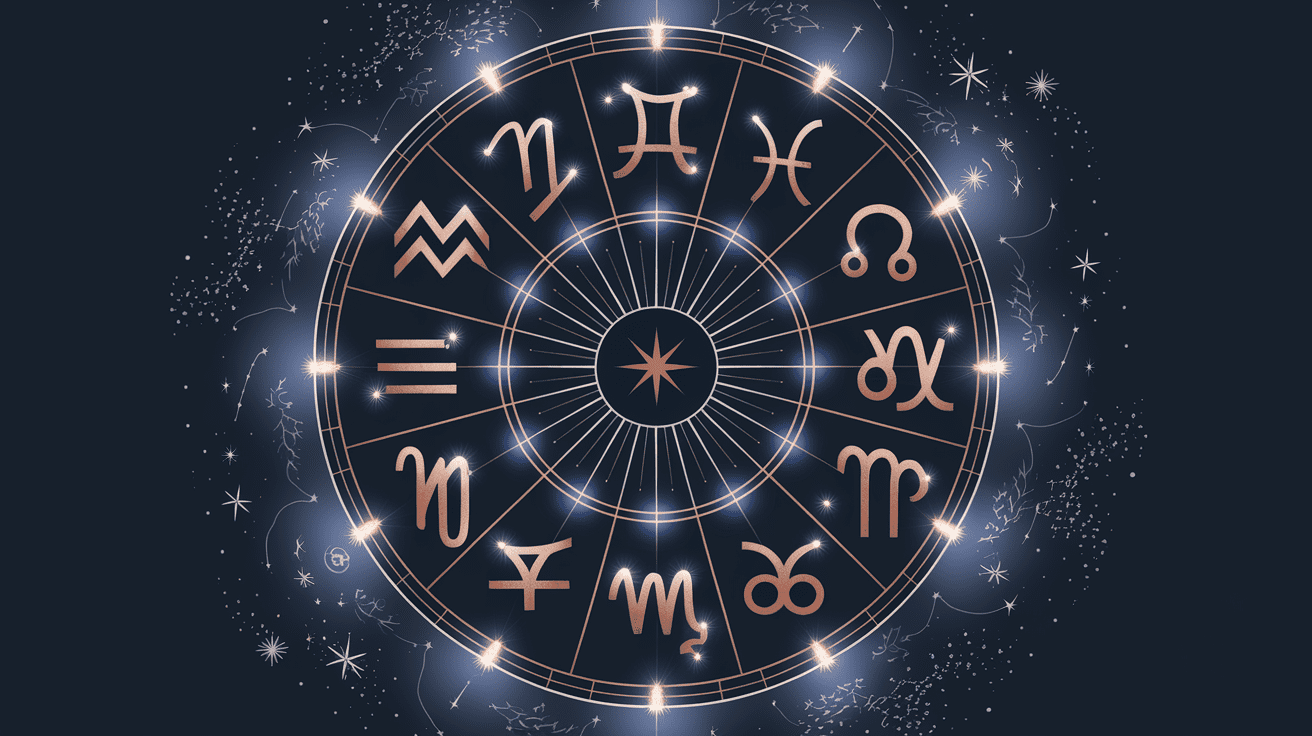
Step 3: Review the Overall Aspect Pattern The calculator highlights major aspects: conjunctions (0°), oppositions (180°), squares (90°), trines (120°), and sextiles (60°). Each carries different energy:
- Conjunctions amplify traits
- Oppositions create magnetic pull but potential conflict
- Squares challenge you to grow
- Trines flow easily
- Sextiles offer opportunity
Understanding Aspect Patterns: Conjunctions, Squares, and Trines
Let me break down what these geometric relationships actually mean in your daily life:
Conjunctions occur when planets sit within 8° of each other in the same sign. This creates an inseparable bond — for better or worse. If your Mercury conjuncts their Venus, you’ll likely finish each other’s sentences and share similar communication styles.
Squares form at 90° angles with an effective orb of 7-8°. These create friction that demands attention. A Moon square Moon aspect (within 7°) means your emotional rhythms clash — one of you processes feelings quickly while the other needs extended time. The tension pushes you both to develop emotional maturity.
Trines appear at 120° with a generous 8-10° orb. These represent natural talents and ease. When your Saturn trines their Sun, you provide stability they can rely on, while they inspire your ambition. It’s the “we just work” aspect that makes long-term commitment feel natural.
What Orb Degrees Mean for Your Compatibility Score
The orb — the degree range where an aspect is considered active — dramatically affects your compatibility reading. Tighter orbs (1-3°) create stronger, more noticeable effects, while wider orbs (7-10°) produce subtler influences.
Our calculator uses these standard orb ranges:
- Conjunctions/oppositions: 8°
- Squares/trines: 7-8°
- Sextiles: 6°
- Minor aspects: 3-4°
A 2° orb Venus-Mars conjunction will feel much more potent than a 7° one. However, don’t dismiss wider orbs entirely — they still color your relationship’s energy, just less intensely.
Pro Tip: Look for “double whammies” where multiple aspects connect the same planets. If your Venus aspects their Mars AND their Venus aspects your Mars, that’s powerful attraction multiplied!
Interpreting Your Compatibility Report
Your report shows a percentage score — but here’s the secret: there’s no such thing as a “perfect” score. A 72% compatibility can be incredibly fulfilling, while a 91% might mask codependency issues.
The report breaks down into three key sections:
Elemental Balance shows how your fire, earth, air, and water placements interact. Two earth signs might score lower in excitement but higher in stability. Fire-air combinations often score high in passion but may need conscious effort for emotional depth.
Aspect Strength lists your major connections with their orb degrees. Pay attention to which aspects have the tightest orbs — these will be your relationship’s defining characteristics.
House Overlays reveal where your planets fall in their chart and vice versa. When someone’s planets occupy your angular houses (1st, 4th, 7th, 10th), they profoundly impact your identity, home life, partnerships, and career.
Remember, challenging aspects aren’t “bad” — they’re growth opportunities. That Mars square Mars might create arguments, but it also generates incredible sexual chemistry and motivates both of you to become better versions of yourselves.
The most successful relationships often have a mix of easy flowing aspects (trines, sextiles) and dynamic tension (squares, oppositions). It’s that cosmic push-pull that keeps love interesting over the long haul.
Vedic Wisdom — The Ancient Art of Kundali Matching
While Western astrology focuses on planetary aspects and elemental harmony, Vedic astrology (Jyotish) takes a profoundly different approach to relationship compatibility. The ancient sages of India developed Kundali matching as a sophisticated system that examines not just whether two people click, but whether their souls are destined to walk together across lifetimes.
In my two decades of practice, I’ve watched clients experience “love at first sight” only to discover their charts reveal fundamental incompatibilities. Conversely, I’ve seen partnerships that seemed unlikely on paper flourish beautifully because their Vedic charts showed remarkable alignment. This ancient wisdom reminds us that chemistry is just the beginning—true compatibility requires examining the deeper patterns written in your stars.
Guna Milan Scoring System
At the heart of Vedic compatibility lies the Guna Milan system, which evaluates 36 distinct qualities (gunas) between partners. Each quality represents a different aspect of relationship harmony, from temperament to financial prosperity. The maximum score is 36, with different thresholds indicating different levels of compatibility:
| Score Range | Compatibility Level | Relationship Outlook |
|---|---|---|
| 36/36 | Excellent | Divine union |
| 31-35 | Very Good | Highly compatible |
| 21-30 | Good | Compatible with effort |
| 17-20 | Average | Challenging but workable |
| 0-16 | Poor | Significant obstacles |
But here’s where it gets fascinating: a score of 24 or above is generally considered acceptable, yet I’ve seen marriages with scores in the low 20s thrive because other factors—particularly nakshatra compatibility—were exceptionally strong. The gunas are important, but they’re not the whole story.
The Role of Nakshatras in Determining Relationship Karma
Nakshatras—the 27 lunar mansions that divide the zodiac—reveal the karmic patterns between partners. Each person has a nakshatra based on their moon’s position at birth, and these lunar signs interact in ways that Western astrology doesn’t capture.
For example, if your moon is in Ashwini nakshatra and your partner’s is in Shatabhisha, you share a “yoni” compatibility that indicates strong physical attraction and emotional understanding. But if your partner’s moon is in Mula nakshatra, the same Ashwini placement creates a more challenging dynamic—Mula’s transformative energy can feel destabilizing to Ashwini’s pioneering spirit.
One of my clients, a Leo rising with moon in Purva Phalguni, was drawn to a partner whose moon was in Bharani nakshatra. Purva Phalguni seeks pleasure and harmony, while Bharani carries the energy of transformation through difficulty. Initially, she felt their connection was “meant to be,” but the nakshatra analysis revealed they were actually completing important karmic lessons together—not necessarily building a lifelong partnership.
The nakshatra system also examines “varna” (spiritual development level), “vashya” (natural affinity), and “bhakoot” (emotional compatibility). These layers create a multidimensional picture that helps you understand not just whether you’re compatible, but why you’re drawn to each other and what growth you’re meant to experience together.
Why Manglik Dosha Matters in Vedic Compatibility
Perhaps no concept in Vedic astrology generates more anxiety than Manglik dosha—the condition where Mars is placed in certain houses of the birth chart. Traditional texts warn that a Manglik person marrying a non-Manglik can bring disharmony, even suggesting dire consequences.
But modern practitioners understand this differently. Manglik dosha indicates strong Mars energy that, when understood and channeled properly, can create dynamic, passionate relationships. The key is awareness and balance.
Mars in the 1st, 4th, 7th, 8th, or 12th house creates this dosha. I’ve found that couples where both partners have Manglik dosha often experience intense chemistry but must learn to manage conflict constructively. One couple I counseled had the wife’s Mars in the 7th house (partnership) and the husband’s in the 8th (transformation). Their arguments were legendary, but so was their passion and commitment to growth. Once they understood their Mars dynamic, they developed healthy communication patterns that actually strengthened their bond.
The dosha isn’t a sentence—it’s information. It tells you where potential friction lies so you can address it consciously. Some practitioners recommend remedies like specific gemstones, mantras, or timing marriages during favorable planetary periods. But I’ve found that awareness and intention matter more than any ritual.
If you’re curious about your Vedic compatibility, I recommend looking beyond the basic guna score. Examine your nakshatra compatibility, understand any dosha present in your charts, and consider consulting with a Vedic astrologer who can synthesize these complex factors. Your Western chart shows who you are; your Vedic chart reveals why you’re together.
Ready to explore this ancient wisdom? Our Vedic Compatibility Calculator examines both Guna Milan and nakshatra relationships to give you a complete picture of your cosmic connection.
Real Couples, Real Charts — Success Stories from the Stars
When I first started my astrology practice twenty years ago, I was skeptical about whether the stars could truly predict relationship success. Then I met Sarah and Michael, a Leo-Aquarius couple whose charts told a story of cosmic tension that somehow worked beautifully in real life.
Sarah’s Leo Sun blazed at 15° in her 7th house of partnerships, while Michael’s Aquarius Sun at 22° opposed hers from the 1st house. “We fought constantly in the beginning,” Sarah told me. “I wanted attention and grand gestures. He wanted space to dream and innovate.” But their Venus placements created the glue: her Venus in Gemini at 8° formed a trine to his Libra Venus at 12°, creating a natural flow of communication and mutual appreciation for each other’s social worlds.
What saved their relationship wasn’t their sun signs—it was understanding that their opposing energies could create a whole greater than the sum of its parts. When Leo’s warmth met Aquarius’s cool objectivity, they built a creative partnership that launched a successful design business.
Case Study: The Fire-Air Dynamic
Fire and air signs create a natural combustion of energy—but without conscious navigation, that spark can burn out quickly. Take the Gemini-Sagittarius pairing of Elena and Carlos, whose charts reveal why their relationship thrives on adventure.
Elena’s Gemini Sun at 3° sits in a tight conjunction with her Mercury at 6°, making her a perpetual motion machine of ideas and conversation. Carlos’s Sagittarius Sun at 18° forms a harmonious trine to her placements, but the real magic happens in their moon signs: her Libra Moon at 24° finds perfect balance with his Aquarius Moon at 26°, creating an emotional rhythm that values both freedom and connection.
Their secret? They built a life around shared exploration. “We don’t have date nights—we have adventure nights,” Elena explained. “Every Thursday we try something completely new, whether it’s a cooking class in a foreign cuisine or a spontaneous road trip to a town we’ve never visited.”
The key to fire-air compatibility isn’t just shared enthusiasm—it’s creating structures that honor both signs’ need for movement while building something lasting. Fire signs need to feel the heat of passion, while air signs need the oxygen of intellectual stimulation. Together, they can create a relationship that’s both exciting and sustainable.
Case Study: The Earth-Water Connection
Some of the most successful relationships I’ve seen combine earth’s stability with water’s emotional depth. Consider the Taurus-Scorpio couple, Rachel and David, whose charts initially looked like a recipe for power struggles.
Rachel’s Taurus Sun at 12° sits in her 4th house of home and family, conjunct her Venus at 15°. David’s Scorpio Sun at 9° opposes hers, but their Mars placements tell a different story: his Mars in Cancer at 21° forms a supportive trine to her Taurus placements, creating a protective, nurturing energy between them.
“The first year was rough,” Rachel admitted. “We both have control issues. I want stability; he wants intensity. We clashed constantly.” But their composite chart revealed a different truth: their relationship’s Sun at 7° Virgo created a practical, service-oriented foundation that neither could have built alone.
Their breakthrough came when they stopped fighting for dominance and started building together. David’s Scorpio need for deep trust found its match in Rachel’s Taurus loyalty. She learned to embrace his emotional complexity, while he discovered the beauty of her steady, unwavering presence.
The earth-water dynamic succeeds when both partners recognize that water needs earth’s container to flow purposefully, while earth needs water’s nourishment to grow. Rachel and David now run a successful organic farm, literally embodying the principle that when earth and water work together, they create fertile ground for everything they plant.
What these real couples teach us is that zodiac compatibility isn’t about finding a perfect match—it’s about understanding the cosmic dance between your charts and learning the steps. Whether you’re a fire-air pair building a life of adventure or an earth-water couple creating lasting foundations, the stars provide the music. Your willingness to dance is what creates the magic.
The Compatibility Myths That Keep You Single
Ever swiped left on someone because their sun sign was “incompatible” with yours? You’re not alone. The astrology world is full of compatibility myths that can sabotage your love life before it even begins. Let me share what I’ve learned from twenty years of reading charts and watching real relationships unfold.
Breaking Free from Astrological Stereotypes
Here’s a truth that might surprise you: some of the most passionate, lasting relationships I’ve witnessed have been between supposedly “incompatible” signs. Why? Because those challenging aspects create the friction that fuels growth, attraction, and yes—even lasting love.
Take my client Sarah, a meticulous Virgo who almost dismissed Tom, a free-spirited Sagittarius, based on their elemental mismatch. “Earth and fire don’t mix,” she told me. But their Venus-Mars connection (his Venus at 18° Gemini trining her Mars at 22° Libra) created an undeniable spark. Three years later, they credit their “opposites attract” dynamic for keeping their relationship exciting.
The danger of dismissing someone based on sun signs alone is that you’re only seeing 10% of the astrological picture. Your Venus placement reveals how you give and receive love. Your Mars shows your passion style. Your moon uncovers your emotional needs. And those are just the basics.
The most common compatibility myth? That square aspects (90° angles) doom a relationship. In reality, squares create tension that, when navigated consciously, becomes the catalyst for profound personal growth. A Leo-Aquarius square might mean you approach life differently, but it also means you complete each other in ways that feel almost destined.
I’ve seen Cancer-Capricorn couples build unshakeable foundations because their opposing energies create natural balance. Gemini-Sagittarius pairs thrive on the endless conversations and adventures their mutable energy provides. Even Scorpio-Leo combinations—often considered volatile—can create transformative relationships when both partners own their power.
The real question isn’t “Are we compatible?” but rather “Are we willing to grow together?” Some of the most challenging synastry aspects I’ve seen have produced the deepest, most authentic love stories. Those squares and oppositions? They’re not red flags—they’re invitations to become your best self.
Before you write someone off based on their birthday, try our Synastry Chart Calculator to see the full picture. You might discover that what looked like incompatibility on the surface is actually the perfect recipe for a soul-level connection.
Moon, Venus, and Mars — The Hidden Compatibility Trio
When I first started reading charts professionally, I noticed something fascinating: couples with “incompatible” sun signs often had remarkably harmonious moon, Venus, and Mars placements. These three celestial bodies reveal the hidden currents beneath surface-level attraction—the emotional needs, love languages, and sexual chemistry that actually sustain relationships through life’s storms.
Your moon sign governs your emotional landscape, Venus dictates how you give and receive love, and Mars fuels your passion and conflict style. Together, they create a three-dimensional picture of relationship compatibility that sun signs alone can never capture.
Finding Your Moon Sign Compatibility
Your moon sign reveals your emotional DNA—how you instinctively react when you’re tired, stressed, or deeply vulnerable. Think of it as your relationship operating system.
A Cancer moon needs emotional security and nurturing touch. They’ll feel most at home with partners who create cozy domestic spaces and remember their favorite comfort foods. An Aquarius moon, conversely, craves independence and intellectual stimulation. They need breathing room to pursue their eccentric interests without feeling smothered.
The moon’s phase at birth adds another layer. A new moon person approaches relationships with fresh optimism and idealism, while a full moon individual brings intensity and emotional clarity that can feel overwhelming to more reserved partners.
Moon sign compatibility isn’t about finding identical placements. Water moons (Cancer, Scorpio, Pisces) often understand each other’s emotional depths instinctively. Fire moons (Aries, Leo, Sagittarius) share a spontaneous, passionate approach to feelings. But the most successful moon partnerships often involve complementary elements—earth providing stability to water’s emotional tides, or air offering perspective to fire’s intensity.
Venus Sign Love Languages
Venus determines what makes you feel cherished and how you express affection. It’s your personal love language written in the stars.
A Taurus Venus shows love through physical touch, quality time, and creating sensory pleasure—think cooking elaborate meals or planning luxurious date nights. A Gemini Venus expresses affection through witty banter, sharing interesting articles, and keeping things intellectually stimulating. They need partners who can keep up with their mental gymnastics.
Venus also governs what you value in relationships. Libra Venus seeks harmony and partnership above all else, while Scorpio Venus craves transformative intimacy and won’t settle for surface-level connections. Sagittarius Venus needs freedom and adventure, whereas Capricorn Venus values commitment and building something lasting together.
The aspects between your Venus and your partner’s personal planets create the real magic. Venus trine Mars creates natural attraction and ease. Venus conjunct Jupiter expands love and generosity between you. But even challenging aspects like Venus square Saturn can create deep, lasting bonds—they just require more conscious effort.
Moon, Venus, and Mars Compatibility Chart
Here’s how different moon, Venus, and Mars combinations typically interact:
| Combination | Emotional Style | Love Expression | Sexual Chemistry | Conflict Resolution |
|---|---|---|---|---|
| Water Moon + Earth Venus | Deep, intuitive | Sensual, grounded | Intense, slow-building | Avoids confrontation |
| Fire Moon + Air Venus | Passionate, direct | Playful, intellectual | Spontaneous, energetic | Confronts immediately |
| Earth Moon + Water Venus | Steady, reliable | Emotional, nurturing | Sensual, intimate | Processes internally |
| Air Moon + Fire Venus | Detached, curious | Adventurous, bold | Quick, exciting | Debates rationally |
The most successful relationships often feature a mix of complementary elements—your moon provides emotional understanding while your Venus creates romantic harmony, and your Mars keeps the passion alive.
Mars: The Engine of Passion and Conflict
While Venus shows how you love, Mars reveals how you fight, pursue, and maintain sexual chemistry. It’s the warrior planet that determines whether you charge into conflicts head-on or retreat to strategize.
Aries Mars confronts problems directly, sometimes too aggressively. They need partners who can match their intensity without taking things personally. Libra Mars seeks harmony and will avoid conflict at all costs—they need someone who can gently push them to address issues before resentment builds.
The Mars-Venus dance between partners is crucial. Venus trine Mars creates natural attraction and ease. Venus opposite Mars can create intense sexual tension that either burns brightly or explodes. Mars conjunct Venus feels like love at first sight but requires conscious effort to maintain beyond the initial spark.
Mars also governs sexual style. Scorpio Mars craves deep, transformative intimacy and won’t settle for casual encounters. Gemini Mars needs variety and mental stimulation to stay engaged. Taurus Mars prefers slow, sensual experiences and plenty of physical touch.
The aspects between your Mars and your partner’s chart reveal your conflict resolution patterns. Mars trine Saturn creates stable, constructive disagreements. Mars square Pluto can lead to power struggles but also profound transformation if handled consciously.
Practical Application: Reading Your Hidden Compatibility
Ready to discover your moon, Venus, and Mars placements? You’ll need your exact birth time, date, and location. These three planets move quickly through the zodiac, changing signs every 2-3 days (moon), 4-5 weeks (Venus), and 6-7 weeks (Mars).
Once you have your placements, look for these key compatibility indicators:
- Moon sign elements: Do you share the same element or complementary ones?
- Venus aspects: Are your Venus signs in harmonious aspects (trine, sextile) or challenging ones (square, opposition)?
- Mars-Venus connections: Is there a natural attraction between your Venus and their Mars, or vice versa?
- Composite aspects: How do your moon, Venus, and Mars interact with each other’s personal planets?
The beauty of this deeper compatibility reading is that it reveals why some “incompatible” couples thrive while some “perfect matches” fizzle. A Leo sun with a Scorpio moon might find emotional security with a Capricorn Venus partner who provides the stability they secretly crave.
Understanding your moon, Venus, and Mars placements transforms compatibility from a simple yes/no equation into a rich, nuanced map of your relationship potential. It shows you where you naturally align, where you’ll need to stretch, and how to create conscious, fulfilling partnerships that honor both your needs.
Want to explore your complete compatibility profile? Use our Advanced Compatibility Calculator to generate a detailed report analyzing all your planetary placements and their interactions.
Daily Compatibility — Using Astrology to Navigate Your Relationship
You’ve found your cosmic match, but how do you keep the magic alive day after day? The secret lies in understanding the celestial weather patterns that influence your relationship’s energy. Just as you check the forecast before planning a picnic, you can use astrology to time your most important relationship moments.
Transit Timing for Relationship Success
The planets are constantly moving, creating different energetic atmospheres that affect how you connect with your partner. When Mercury is retrograde, for instance, communication can feel like you’re speaking different languages. I’ve seen countless couples schedule their wedding ceremonies during Mercury retrograde, only to face endless logistical headaches. On the flip side, Venus in Libra creates a harmonious atmosphere perfect for romantic gestures and heart-to-heart talks.
The key is knowing which transits support your specific relationship goals. Planning to have “the talk” about moving in together? Wait for Jupiter in your communication house to expand understanding between you. Want to reignite passion? Track when Mars forms a trine to your composite Venus—this aspect creates a natural flow of desire and affection.
Quick tip: Use our Transit Tracker to identify the best days for relationship conversations in the next 30 days.
The Best Lunar Phases for Relationship Milestones
The moon’s monthly cycle offers a natural rhythm for relationship growth. The new moon is your cosmic blank slate—perfect for setting intentions together, whether that’s planning a trip or discussing future goals. I always tell my clients to avoid major relationship decisions during the full moon when emotions run high and everyone’s a bit more reactive than usual.
Waxing moons (the two weeks between new and full) support growth and expansion—ideal for dating, deepening intimacy, or taking your relationship to the next level. Waning moons (after the full moon) are better for releasing patterns that no longer serve you, having difficult conversations, or consciously uncoupling if that’s where you’re headed.
Here’s a lunar milestone guide I’ve developed over two decades of practice:
Lunar Phase | Best For | Avoid —|—|— New Moon | Setting relationship intentions, first dates | Breaking up, serious commitments Waxing Crescent | Building trust, sharing vulnerabilities | Pressuring for commitment First Quarter | Having important conversations, planning together | Avoiding difficult topics Waxing Gibbous | Deepening intimacy, expressing feelings | Being passive-aggressive Full Moon | Celebrating love, expressing gratitude | Making major decisions, serious talks Waning Gibbous | Processing emotions, sharing feedback | Starting new relationship patterns Last Quarter | Releasing old hurts, forgiving | Holding onto resentment Waning Crescent | Resting together, spiritual connection | Initiating new relationship energy
Creating Your Personal Compatibility Calendar
The most powerful tool I give my clients is a personalized compatibility calendar that tracks both partners’ personal transits alongside your composite chart. This three-layered approach reveals the cosmic weather affecting your relationship from multiple angles.
Start by marking your composite chart’s most important aspects—your composite Sun, Moon, and Venus positions create the foundation of your relationship’s energy. Then layer in each partner’s current transits. When your partner’s Venus activates your composite Mars, expect increased attraction and passion. When Saturn squares your composite Sun, you might face tests of commitment.
Here’s how to create yours in four steps:
- Calculate your composite chart using both birth times and locations
- Track major transits to your composite planets (pay special attention to Jupiter, Saturn, and outer planet movements)
- Overlay each partner’s personal transits to see how individual energies affect the relationship
- Note repeating patterns over 3-6 month periods to identify your relationship’s natural rhythms
One couple I worked with discovered they always argued during their composite Mars return (every two years when Mars returns to its natal position in your composite chart). Once they knew this pattern, they scheduled their annual “state of the union” meeting during a more harmonious transit instead.
The beauty of astrological timing is that it doesn’t control your relationship—it simply helps you work with the cosmic currents rather than against them. Some of the most successful relationships I’ve seen aren’t those with “perfect” compatibility charts, but those where partners understand and respect each other’s timing, creating space for both individual growth and shared evolution.
Remember, the stars incline but they don’t compel. Use this wisdom as a guide, but always trust your heart—it knows the way even when the planets seem confused.
Frequently Asked Questions
What zodiac signs are most compatible?
Fire and air signs tend to pair well, as do earth and water signs. The zodiac compatibility chart shows that Leo and Sagittarius, both fire signs, often share a passionate, adventurous bond. Similarly, Taurus and Virgo, both earth signs, typically build stable, grounded relationships. However, the most harmonious connections often occur between signs in the same element, as they naturally understand each other’s emotional rhythms and communication styles.
How do I check my zodiac compatibility?
You can check your zodiac compatibility using our free compatibility calculator at Astrologer Global. Simply enter your birth details and your partner’s birth details to receive a detailed analysis of your planetary alignments, including your sun, moon, and rising signs. For a quick check, compare your sun signs using a zodiac compatibility chart — but remember, a complete reading considers all planetary positions for a fuller picture of your cosmic connection.
Are opposite zodiac signs compatible?
Yes, opposite zodiac signs can be highly compatible despite their differences. These pairs — like Aries-Libra or Taurus-Scorpio — often experience intense attraction and complementary strengths. Think of it as two puzzle pieces that fit together perfectly, even though their shapes are different. While opposite signs may face communication challenges, they can also experience profound growth together, each partner balancing the other’s weaknesses with their own strengths.
What is the best zodiac match for me?
The best zodiac match depends on your complete birth chart, not just your sun sign. While a zodiac compatibility chart might suggest certain matches based on elemental harmony, your moon sign, Venus placement, and rising sign all influence relationship dynamics. For instance, a Cancer sun with a Pisces moon might find their ideal match differs from what a basic chart suggests. For personalized insights, consider a full compatibility reading that examines all planetary positions.
Can incompatible zodiac signs work?
Absolutely. Many successful relationships exist between signs considered “incompatible” on a basic zodiac compatibility chart. These partnerships often require more conscious effort and communication but can lead to tremendous personal growth. When fire meets water or earth meets air, the key is understanding and respecting differences rather than trying to change each other. Many astrologers believe these “challenging” matches offer the most transformative potential for both partners.
How accurate is zodiac compatibility?
Zodiac compatibility provides valuable insights but isn’t an absolute predictor of relationship success. A zodiac compatibility chart offers a framework based on elemental relationships and planetary aspects, but real relationships involve countless variables beyond astrology. Think of it as a weather forecast — it gives you probabilities and patterns to be aware of, but your choices and actions ultimately shape the relationship’s outcome. For the most accurate reading, consider both astrological insights and practical relationship skills.
Your Cosmic Path Forward
The stars have whispered their secrets, and now it’s your turn to listen — not as a passive observer, but as an active participant in your cosmic story. Zodiac compatibility isn’t about finding a perfect match on a zodiac compatibility chart and calling it destiny. It’s about understanding the energies at play, honoring your own needs, and choosing connection with awareness and intention.
You’ve seen how elemental harmony can create ease, how modality clashes can spark growth, and how planetary aspects reveal the deeper currents between two souls. You’ve learned that compatibility is a living, breathing thing — shaped by choice, communication, and the willingness to meet each other where you are. The most magnetic connections often happen between signs that challenge each other to evolve.
Remember this: your chart is not a cage, and neither is your partner’s. Compatibility is a dance, not a verdict. Some steps will feel effortless; others will require practice. But every rhythm teaches you something about love, trust, and the courage to be seen.
If you’re curious to explore your unique compatibility in detail, try our Synastry Chart Calculator to see how your planets interact with a partner’s. It’s the next step in turning cosmic insight into conscious connection.
The universe doesn’t promise a flawless journey — but it does promise that when you move in alignment with your truth, the right connections will find you. Keep your heart open, your eyes clear, and your spirit brave. The stars are always shining, but it’s your light that makes the path visible.