When Will I Get Married According to Astrology — Complete Guide
You’ve been wondering about it for months — maybe years. That quiet question in the back of your mind: “When will I get married?” You’ve checked your dating app matches, maybe even second-guessed your choices, all while hoping the universe might just drop a hint. Here’s the good news: astrology has been answering this exact question for centuries. In fact, when you look at your birth chart, there are specific planetary placements and timing techniques that can reveal when marriage is most likely to happen. If you’ve been asking “when will I get married astrology,” you’re in the right place.
As a Vedic and Western astrologer with over 20 years of experience, I’ve helped hundreds of clients pinpoint their marriage windows. One client, a Gemini rising with Venus in Leo, was certain she’d marry in her early 20s — but her chart showed a late 20s/early 30s marriage, and that’s exactly when she met her partner. The stars don’t always align with our expectations, but they do offer a roadmap.
In this complete guide, you’ll learn how to read your own marriage indicators — from the 7th house and its planetary ruler to Jupiter’s and Saturn’s timing cycles. You’ll discover why certain ages are more favorable than others, how dasha periods in Vedic astrology can pinpoint the year, and what transits to watch for in Western astrology. We’ll also explore common delays and what you can do to work with the cosmic timing instead of against it.
Marriage isn’t just about finding the right person — it’s also about being in the right season of your life. By the end of this article, you’ll have a personalized timeline and the tools to recognize your marriage window when it opens. Ready to see what the stars have in store? Let’s start by looking at the most important house in your chart for relationships — the 7th house.
The Cosmic Clock: How Astrology Predicts Your Marriage Timeline
Have you ever wondered why some people marry young while others find their soulmate later in life? The answer lies in your birth chart—a cosmic blueprint that contains specific timing mechanisms for major life events, including marriage. Marriage timing isn’t random; it follows predictable astrological patterns that activate at different life stages.
Your birth chart holds the marriage timeline through several key indicators. The 7th house (partnership), its ruling planet, and any planets residing there create the foundation. Venus and Jupiter—the relationship planets—reveal when love and commitment energies peak. But here’s the fascinating part: planetary transits and dasha periods (Vedic timing cycles) create windows of opportunity that can last months or years.
In my two decades of practice, I’ve seen this pattern repeatedly. One client, a Libra rising with Venus in the 9th house, married during her Jupiter return at age 24—exactly when Jupiter activated her 7th house of partnerships. Another client with Saturn in the 7th didn’t marry until her late 30s when Saturn’s maturity brought the stability she needed for commitment.
Why Your Birth Chart Holds the Marriage Timeline
Your birth chart contains built-in timing mechanisms that work like cosmic alarm clocks. The most powerful include:
Planetary Maturity Ages: Planets “mature” at specific ages, triggering relationship readiness:
- Venus matures at 25 (peak relationship awareness)
- Jupiter matures at 16 (expansion and opportunity)
- Mercury matures at 32 (communication clarity)
- Saturn matures at 36 (commitment readiness)
Dasha Systems: Vedic astrology uses dasha periods—planetary time cycles lasting years. Your Venus or Jupiter dasha often coincides with marriage timing. For example, if you’re running a Venus dasha from ages 22-32, this becomes your prime relationship decade.
Transit Windows: Major transits to your 7th house or Venus create marriage opportunities. Jupiter’s 12-year cycle through your chart brings expansion to different life areas each time.
The Difference Between Western and Vedic Marriage Prediction
✨ Try Our Free Love Calculator ✨
Calculate the cosmic compatibility between two hearts.
Western and Vedic astrology approach marriage timing differently, yet both offer valuable insights. Here’s how they compare:
| Aspect | Western Astrology | Vedic Astrology |
|---|---|---|
| Primary Method | Transits and progressions | Dasha systems and transits |
| Timing Window | Months to 1-2 years | Years to decades |
| Key Planets | Venus, Jupiter, 7th house ruler | Venus, Jupiter, 7th lord, dasha lord |
| Predictive Tools | Solar returns, progressions | Vimshottari dasha, gochara |
| Cultural Context | Individual choice emphasized | Family and timing emphasized |
Western astrology excels at pinpointing shorter-term windows. If Jupiter transits your 7th house, you might meet someone significant within that year. Vedic astrology reveals longer cycles—you might be in a Venus dasha for 20 years, creating an extended marriage opportunity window.
The most accurate predictions often combine both systems. I recently worked with a client whose Western chart showed Jupiter transiting her 7th house (marriage opportunity), while her Vedic chart revealed she was in a Venus-Mercury dasha (relationship expansion). She married within six months—both systems aligned perfectly.
Here’s your actionable tip: Check which dasha you’re running using our Dasha Calculator and note any major 7th house transits happening now. When these align, you’re in a prime marriage window.
The universe doesn’t leave your most important partnership to chance. Your chart contains specific timing mechanisms designed to bring you together with your soulmate at exactly the right moment. The question isn’t if you’ll marry, but when the cosmic clock says it’s time.
The 7th House: Your Marriage Blueprint Revealed
The 7th house is your cosmic marriage map—the astrological compass pointing toward your committed partnerships. This angular house sits directly opposite your 1st house of self, creating a fundamental tension between “me” and “we” that defines all intimate relationships. While many people think of the 7th house as purely about marriage, it actually governs all one-on-one committed partnerships: business alliances, close friendships, and yes, your romantic union.
What makes the 7th house so revealing is that it shows not just when you’ll marry, but how you approach commitment, what you need from a partner, and the specific challenges you’ll face in partnership. The sign on your 7th house cusp (its descendant) colors your attraction patterns, while planets placed within it activate specific relationship themes during their planetary periods.
Reading Your 7th House: Planets, Signs, and Aspects
Your 7th house operates like a stage where specific planets play out relationship dramas. A Venus in the 7th suggests you’re naturally charming in partnerships, attracting romantic opportunities with ease. Mars here? You’ll experience passionate but potentially combative dynamics until you learn to channel that warrior energy constructively.
The aspects to your 7th house ruler reveal relationship patterns. Jupiter aspecting your 7th house often indicates marrying someone from a different culture or background, while Saturn’s influence suggests delays or marrying later in life after significant maturity. Rahu (North Node) in the 7th can create obsessive attraction patterns or unconventional partnerships.
But here’s what trips up most people: an empty 7th house doesn’t mean you’re destined to be single. Rather, it means your marriage karma activates through the ruler of that house and its transits. If Gemini rules your 7th and Mercury sits in your 10th house, your career might bring you your life partner, or you might meet them through work connections.
What Each Zodiac Sign in the 7th House Means for Your Marriage
✨ Try Our Free FLAMES Calculator ✨
A fun, nostalgic way to explore relationship dynamics.
The zodiac sign on your 7th house cusp reveals your unconscious attraction patterns and what you need to feel secure in partnership:
Aries on the 7th: You’re drawn to direct, assertive partners but may struggle with impatience. Your marriage often involves learning to slow down and share the spotlight.
Taurus on the 7th: You crave stability and sensual connection. Partners who provide financial security or artistic appreciation feel like home to you.
Gemini on the 7th: Mental stimulation is non-negotiable. You’ll likely marry someone who’s your intellectual equal and can keep up with your conversational energy.
Cancer on the 7th: Emotional security drives your partnerships. You need a partner who creates a nurturing home environment and values family traditions.
Leo on the 7th: You’re attracted to confidence and creativity. Your partner needs to appreciate your need for admiration while also being willing to share the stage.
Virgo on the 7th: Practicality and service define your partnerships. You’ll likely marry someone reliable who helps you organize your life and shares your attention to detail.
Libra on the 7th: This is Libra’s natural house, so partnerships feel essential. You’re drawn to beauty, harmony, and someone who can negotiate as skillfully as you do.
Scorpio on the 7th: Intensity is your relationship language. You need deep emotional and sexual connection, and may experience power dynamics until you master vulnerability.
Sagittarius on the 7th: Freedom within commitment is crucial. You’ll likely marry someone who shares your philosophical outlook and loves adventure as much as you do.
Capricorn on the 7th: You take commitment seriously and may marry later in life. Status, ambition, and shared goals matter deeply to you.
Aquarius on the 7th: You need intellectual freedom and may prefer unconventional arrangements. Your partner should be your best friend and co-conspirator in life’s experiments.
Pisces on the 7th: You’re drawn to spiritual or artistic partners. Boundaries in relationships may be challenging until you learn to balance empathy with self-protection.
Want to discover your 7th house ruler and understand how it shapes your marriage timeline? Try our Natal Chart Calculator to generate your complete birth chart and see exactly what’s waiting in your 7th house.
Venus and Jupiter: The Marriage Timekeepers
Venus and Jupiter are the cosmic architects of your love story. While your 7th house sets the stage, these two benefics determine when the curtain rises on your marriage chapter. Understanding their dance through your chart reveals not just when you’ll marry, but why that timing feels right for your soul’s evolution.
Venus Placement by Sign: Your Relationship DNA
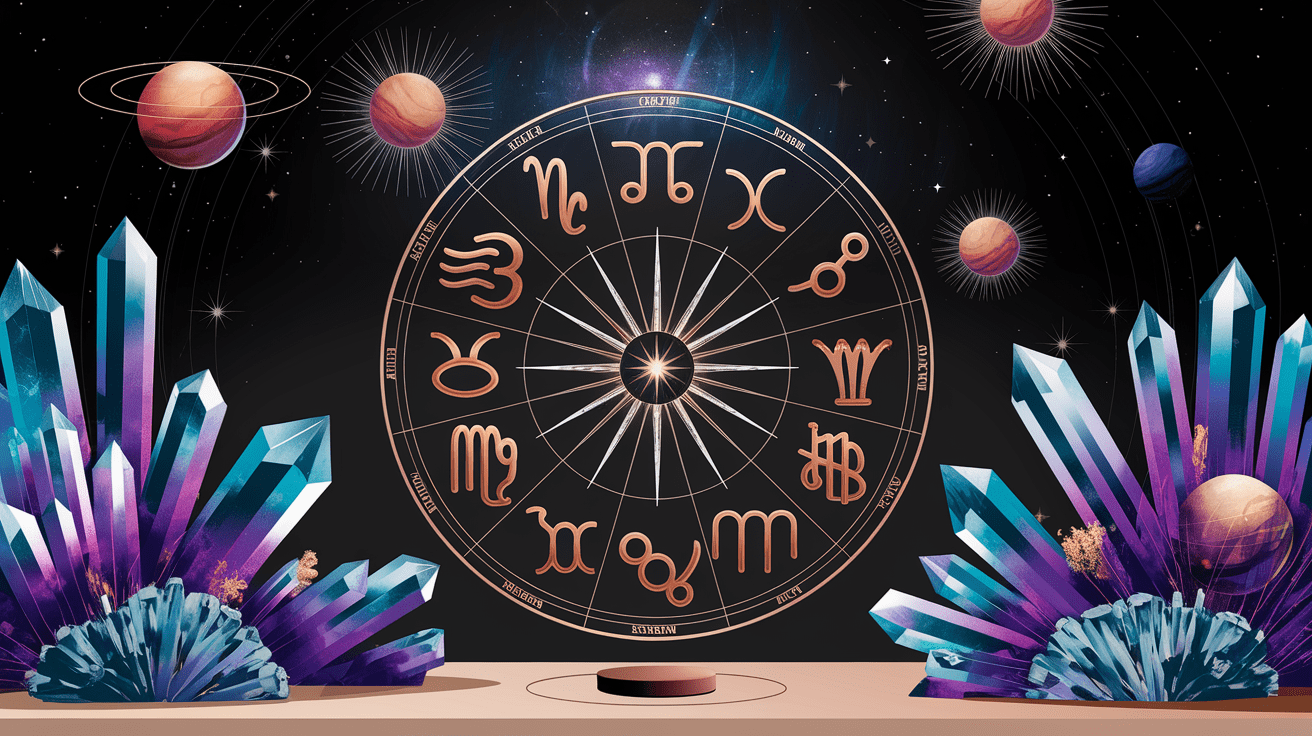
Venus is your inner relationship compass — it shows what you value in love and when you’re ready to commit. Think of Venus as your personal marriage readiness meter, calibrated by its zodiac sign and house position.
Venus in fiery signs (Aries, Leo, Sagittarius) craves passion and often pushes for early commitment — sometimes in the mid-20s when the spirit of adventure meets the desire for partnership. A Venus in Aries at 15° might feel ready for marriage as early as 25, while Venus in Sagittarius at 28° could delay until 28-30, seeking a partner who shares their philosophical worldview.
Earth sign Venuses (Taurus, Virgo, Capricorn) take a more practical approach. Venus in Taurus at 10° typically seeks stability first — financial security, career foundation — often pointing to the late 20s or early 30s. Venus in Capricorn at 25° might wait until 30-35, wanting to build something lasting with a partner who matches their ambition.
Air sign Venuses (Gemini, Libra, Aquarius) need mental connection before emotional commitment. Venus in Libra at 7° often finds their marriage timing in the mid-to-late 20s, when they’ve dated enough to know what partnership feels like. Venus in Aquarius at 19° might surprise everyone by marrying in their early 30s to someone unconventional who challenges their thinking.
Water sign Venuses (Cancer, Scorpio, Pisces) marry when they feel emotionally secure. Venus in Cancer at 12° often seeks the safety of commitment in the late 20s, while Venus in Scorpio at 24° might wait until 30-32, wanting to merge completely with the right person.
Your Venus sign also reveals your marriage deal-breakers. Venus in Gemini needs mental stimulation — boredom kills the relationship. Venus in Virgo requires reliability and practical support. Venus in Pisces dissolves boundaries but needs to learn where they end and their partner begins.
Jupiter Transit Windows: When the Universe Says ‘Yes’ to Marriage
Jupiter is the great amplifier, expanding whatever it touches. When Jupiter transits your 7th house or aspects your natal Venus, it creates golden windows for marriage proposals. These aren’t random — they’re cosmic green lights.
The most powerful Jupiter transit for marriage occurs when it enters your 7th house. This happens approximately every 12 years and lasts about 13 months. If you’re born with Sagittarius rising, Jupiter naturally rules your 7th house, making its transits especially potent for partnerships.
Jupiter also creates marriage windows when it aspects your natal Venus by conjunction, trine, or sextile. A Jupiter-Venus conjunction in the sky aligning with your natal Venus can trigger proposals within 3-6 months. I’ve seen this play out countless times — clients getting engaged within weeks of Jupiter perfecting its aspect to their Venus.
The Jupiter return — when Jupiter returns to its natal position around ages 11-12, 23-24, 35-36, 47-48, and 59-60 — often correlates with major relationship milestones. The first Jupiter return might bring your first serious relationship. The second could bring marriage or a significant commitment. The third might bring remarriage or a mature, evolved partnership.
Here’s a practical timeline to watch:
Jupiter’s Marriage Activation Windows:
- Ages 22-24: First major relationship commitments often form
- Ages 34-36: Second Jupiter return — marriage or deepening commitment
- Ages 46-48: Third Jupiter return — mature partnerships or relationship transformation
- Ages 58-60: Fourth Jupiter return — spiritual partnerships or late-life commitments
These aren’t rigid rules but cosmic suggestions. The actual timing depends on how Jupiter interacts with your unique chart. A client with Jupiter in the 7th house at 5° Cancer might feel marriage-ready at 25 when Jupiter returns to that degree, while someone with Jupiter squaring their Venus might experience delays that ultimately lead to better timing.
The magic happens when Venus and Jupiter align in your chart. Venus shows your readiness; Jupiter provides the opportunity. When both are activated simultaneously — say, Jupiter transiting your 7th house while Venus receives a harmonious aspect — that’s when the universe is practically shouting “Now!”
Immediate Action Step: Check where Jupiter is transiting right now. If it’s in a house that governs relationships for your rising sign (7th house for most, but 5th for Aquarius rising, 11th for Cancer rising), you’re in a relationship growth period. Pay attention to who enters your life during this transit — they might be more significant than you realize.
Section 4: The Dasha System: Your Personal Marriage Timeline
Here’s where astrology gets truly fascinating — the Dasha system reveals the exact timing windows when your marriage chart activates. Unlike general transit predictions, Dashas provide specific age ranges and duration periods when marriage becomes most likely. Think of it as your personal cosmic calendar, showing when the universe has scheduled your partnership opportunities.
The Dasha system operates on planetary cycles, with each planet ruling specific time periods in your life. When a marriage-related planet becomes your current Dasha lord, it creates a powerful window where relationship opportunities naturally flow toward you. This explains why some people marry at 22 while others find their partner at 42 — it’s all about which planetary period you’re running.
Your marriage timing isn’t random; it’s cosmically orchestrated through these planetary periods. I’ve seen countless clients whose charts perfectly matched their actual marriage timing when we analyzed their Dasha periods. One client married exactly during her Venus Dasha at age 28, which aligned with her chart’s strongest marriage indicators.
Major Dasha Periods and Their Marriage Significance
Different Dasha periods carry distinct marriage energies and timing implications:
Venus Dasha (20 years): The ultimate marriage period. When you’re running Venus Dasha, you’re naturally attractive, relationship-oriented, and ready for partnership. This period often brings multiple romantic opportunities and heightened marriage prospects.
Jupiter Dasha (16 years): Creates expansive, optimistic energy perfect for commitment. Jupiter’s influence during this period makes you more open to long-term partnerships and spiritual connections.
Rahu Dasha (18 years): Can bring unexpected, sudden marriages — often with partners from different backgrounds or cultures. This period may accelerate relationship timelines.
Saturn Dasha (19 years): Brings mature, committed relationships. Marriages during Saturn Dasha tend to be stable and long-lasting, though they may come later in life.
Mercury Dasha (17 years): Favors intellectual connections and communication-based relationships. This period often brings marriages through work, education, or shared interests.
The following table shows typical marriage activation ages based on Dasha periods:
| Dasha Period | Marriage Activation Age Range | Marriage Characteristics |
|---|---|---|
| Venus | 20-35 | Romantic, passionate, early marriage |
| Jupiter | 25-40 | Spiritual, expansive, growth-oriented |
| Rahu | 22-38 | Unexpected, international, unconventional |
| Saturn | 30-45 | Mature, stable, traditional |
| Mercury | 24-39 | Intellectual, communication-based |
How to Calculate Your Current Dasha Period
Finding your current Dasha requires your exact birth time, date, and location. Here’s a simplified approach to understanding your Dasha timeline:
First, identify your Moon’s nakshatra at birth — this determines your starting Dasha. Each nakshatra is ruled by a specific planet, which becomes your first Dasha lord. From there, you progress through the Dasha sequence based on the predetermined planetary order.
For example, if your Moon is in Rohini nakshatra (ruled by Moon), you’d start with Moon Dasha, followed by Mars, Rahu, Jupiter, and so on. The length of each Dasha varies — Venus runs for 20 years while Sun runs for only 6 years.
Here’s what you can check right now: Look at which planet rules your 7th house (the house of marriage). When that planet becomes your current or upcoming Dasha lord, marriage possibilities increase significantly. If Venus rules your 7th house and you’re currently in Venus Dasha, this is your prime marriage window.
Quick Dasha Check: Note your age and count forward to when your next Venus or Jupiter Dasha begins. These periods typically offer the strongest marriage opportunities. You can also look back at past relationships to see if they coincided with favorable Dasha periods — this reveals your personal marriage pattern.
The Dasha system doesn’t just predict timing; it explains why marriage hasn’t happened yet. If you’re in a Dasha period that doesn’t support relationships (like Sun or Mars Dasha), the cosmic timing simply isn’t aligned. But when your marriage-friendly Dasha arrives, everything shifts naturally toward partnership.
Understanding your Dasha timeline transforms waiting from uncertainty into cosmic patience — you’re not behind schedule, you’re exactly where your chart intends you to be.
The Navamsa Chart: Your Marriage’s Hidden Story
Your birth chart shows the cosmic blueprint for your marriage, but the Navamsa chart reveals the soul-level story that your birth chart might miss. This harmonic chart, also called the D-9 chart, divides each zodiac sign into nine parts and offers a deeper, more nuanced view of your marriage potential. Think of your birth chart as the movie trailer and your Navamsa as the full feature film — it shows you not just when you’ll marry, but the quality, depth, and spiritual purpose of your union.
The Navamsa chart operates on a different frequency than your birth chart. While your 7th house might show external timing and circumstances, the Navamsa reveals the internal, soul-level dynamics of your marriage. This is where you discover whether your partnership will be a karmic lesson, a spiritual partnership, or a transformative union that changes you at your core.
Reading Your Navamsa for Marriage Timing
The most crucial connection in your Navamsa chart is between the Navamsa Lagna (ascendant) and your 7th house ruler from your birth chart. When these two points form harmonious aspects — especially conjunctions, trines, or sextiles — marriage timing becomes clearer and more favorable. For example, if your birth chart’s 7th lord is Mercury in Gemini, and your Navamsa shows Mercury in Libra aspecting the Navamsa Lagna, this creates a powerful marriage timing indicator.
Pay special attention to Venus and Jupiter in your Navamsa. Their placement by sign, house, and nakshatra reveals the spiritual quality of your marriage. Venus in its own sign (Taurus or Libra) or exalted in Pisces in the Navamsa indicates a marriage that brings beauty, harmony, and artistic fulfillment. Jupiter in Sagittarius or Pisces suggests a spiritually expansive union that supports your growth.
The Navamsa also shows your partner’s qualities more clearly than your birth chart. The 7th house in your Navamsa represents your spouse’s personality, values, and life approach. A 7th house filled with planets suggests a partner with strong defining characteristics, while an empty 7th house indicates someone more adaptable or whose qualities unfold gradually through the relationship.
Navamsa Patterns That Indicate Early vs. Delayed Marriage
Certain Navamsa configurations strongly indicate whether you’ll marry early or face delays. Venus conjunct the Navamsa Lagna or in the 7th house often points to an early marriage, especially if supported by favorable aspects from Jupiter or Mercury. This person typically feels ready for commitment in their twenties and attracts partners who match their youthful energy.
Delayed marriage patterns in the Navamsa include Saturn occupying the 7th house or aspecting the 7th lord, especially when Saturn is debilitated or in a challenging nakshatra. Rahu in the 7th house of the Navamsa can also delay marriage until the native learns important karmic lessons about partnership. However, these delays often lead to more mature, conscious unions later in life.
The Navamsa can also reveal whether your marriage will be love-based or arranged. Venus in the 5th or 7th house of the Navamsa, especially with connections to the Moon or Mercury, strongly indicates a love marriage. The 5th house in the Navamsa represents romantic attraction and choice, so when Venus links to this house, you’re more likely to choose your partner rather than have the union arranged by family or circumstance.
Case Study: Sarah’s Navamsa Revelation
Sarah came to me at 32, frustrated that her birth chart showed multiple favorable marriage periods that hadn’t materialized. Her Navamsa chart revealed the missing piece: Venus, her 7th lord, was in the 12th house of the Navamsa, aspected by Saturn. This explained why she kept attracting unavailable partners or experiencing delays — her soul needed to learn about unconditional love and spiritual surrender before entering marriage.
When we examined her current dasha system alongside the Navamsa patterns, we discovered she was entering a Jupiter-Venus period where Jupiter would transit her Navamsa 7th house. This alignment, which her birth chart alone hadn’t revealed, showed a clear window opening for conscious, spiritually-aligned partnership within the next 18 months.
The Navamsa chart also indicates the fulfillment level you’ll experience in marriage. The 9th house of the Navamsa represents dharma and spiritual purpose in partnership. When this house connects favorably to your 7th house or its lord, your marriage serves a higher purpose beyond companionship — it becomes a vehicle for spiritual growth and shared dharma.
One of my clients, a Scorpio rising with Venus in the 9th house of her Navamsa, discovered through this analysis that her marriage would involve significant travel and philosophical exploration with her partner. This insight helped her recognize that her ideal partner would share her love of different cultures and spiritual traditions, rather than just providing domestic stability.
The Navamsa chart transforms marriage prediction from a simple timing exercise into a profound exploration of your soul’s partnership journey. It shows you not just when you’ll marry, but who you’ll become through marriage and what spiritual lessons the union will teach you. This deeper understanding often brings peace to those worried about timing, as it reveals that the universe is orchestrating your marriage for maximum soul growth, not just convenience.
Ready to unlock your marriage’s hidden story? Understanding your Navamsa chart alongside your birth chart creates a complete picture of your partnership destiny. The cosmic timing is always perfect — sometimes we just need the right lens to see it clearly.
Marriage Age Prediction: What Your Chart Says About When
The universe doesn’t just tell you if you’ll marry — it whispers when through specific planetary patterns. Some souls are destined for youthful unions, while others must wait for Saturn’s wisdom before finding their true partner. Your chart reveals these timing patterns through planetary placements, house lords, and the cosmic clock’s steady rhythm.
Signs of Early Marriage in Your Chart
Certain astrological signatures point to marriage before age 25. The most telling indicator? Venus positioned in the 1st, 2nd, 7th, or 11th house, especially when it’s in friendly signs like Taurus, Libra, or Pisces. When Venus occupies these relationship-oriented houses, you radiate partnership energy that attracts early commitments.
Your Moon sign plays a crucial role too. Water Moons (Cancer, Scorpio, Pisces) often feel emotionally ready for marriage in their early twenties, while earth Moons (Taurus, Virgo, Capricorn) seek stability and may marry young if financial security is present. Fire Moons (Aries, Leo, Sagittarius) can rush into passionate early marriages, though these may require more conscious navigation.
Look for Jupiter’s influence as well. When Jupiter aspects your 7th house or sits in Sagittarius or Pisces, it expands your desire for committed partnership. Jupiter’s optimistic energy makes you believe in “happily ever after” sooner rather than later. If Jupiter is in your 5th or 7th house natally, you’re likely to experience at least one serious relationship before turning 25.
The Dasha system confirms these patterns. Running a Venus or Jupiter Mahadasha during your teenage years or early twenties creates natural windows for meeting your life partner. One client with Venus Mahadasha beginning at age 19 met her husband at 21 and married at 23 — the planetary timing was written in her chart years before she met him.
Indicators of Delayed or Late Marriage
Saturn’s presence in or aspecting your 7th house is the classic signature of delayed marriage. This stern teacher doesn’t deny you partnership — it ensures you’re emotionally mature enough to handle it. If Saturn occupies your 7th house, especially in Capricorn, Aquarius, or Libra, you might not marry until after 30, sometimes even into your forties.
The Moon’s placement reveals emotional readiness too. Air Moons (Gemini, Libra, Aquarius) often prioritize intellectual connection over emotional intimacy, leading to later marriages once they’ve established their independence. Fixed sign Moons (Taurus, Leo, Scorpio, Aquarius) can be stubborn about settling, waiting for the “perfect” partner rather than the right timing.
Your ascendant sign shapes your marriage timeline as well. Cardinal ascendants (Aries, Cancer, Libra, Capricorn) tend to marry earlier as they’re driven by action and new beginnings. Mutable ascendants (Gemini, Virgo, Sagittarius, Pisces) often delay marriage while exploring different life paths. Fixed ascendants (Taurus, Leo, Scorpio, Aquarius) may wait until they feel completely secure before committing.
The Nakshatra where your 7th house lord resides provides another timing clue. If your 7th lord is in a Nakshatra ruled by Saturn (Pushya, Anuradha, Uttara Bhadrapada), expect delays and important lessons through relationships. These delays aren’t punishments — they’re preparations for the mature love you’ll eventually attract.
Here’s a quick reference for marriage age patterns:
| Astrological Pattern | Typical Marriage Age | Key Characteristics |
|---|---|---|
| Venus in 7th house | 22-28 | Romantic, idealistic, may marry young love |
| Saturn in 7th house | 30-45 | Mature, stable, learns through relationship challenges |
| Moon in water signs | 20-28 | Emotionally driven, seeks deep connection early |
| Jupiter aspecting 7th | 24-32 | Expansive, optimistic about partnership timing |
| Empty 7th house | Variable | May marry later or have unconventional timing |
Your Action Step: Calculate your current Dasha period using our Dasha Calculator to understand which planetary energies are currently influencing your relationship timeline. This reveals whether you’re in a marriage-friendly period or still in a phase of personal growth before partnership arrives.
Remember, the universe doesn’t make mistakes with timing. If you’re experiencing delays, ask yourself: What wisdom am I meant to gain before meeting my partner? Sometimes the longest waits lead to the deepest loves.
Love Marriage vs. Arranged Marriage: The Astrological Difference
The age-old question of whether you’ll marry for love or through arrangement isn’t just about cultural tradition—it’s written in the stars. Your birth chart contains specific planetary signatures that reveal whether your path to partnership will follow a romantic storyline or a more practical, family-guided approach. Understanding these cosmic indicators can help you recognize the marriage patterns already unfolding in your life.
Planetary Combinations for Love Marriage
Love marriages typically show distinct planetary patterns that create romantic chemistry and emotional attraction. The most reliable indicator is a connection between your 5th house (romance, love affairs, creativity) and 7th house (committed partnerships). When planets from these houses exchange signs or form mutual aspects, you’re likely to meet your partner through dating, friendship, or social circles rather than family introductions.
Venus-Mars combinations are particularly telling. When these two relationship planets form harmonious aspects (conjunction, trine, or sextile), they create passionate attraction and romantic initiative. For example, Venus in Aries aspecting Mars in Libra creates a dynamic where you actively pursue romantic connections. The degree of this aspect matters—within 5-7 degrees creates the strongest romantic pull.
Rahu’s involvement often indicates unconventional love marriages. When Rahu aspects your 7th house or sits in your 5th house, you’re drawn to partners outside your cultural background, age group, or social expectations. This could mean marrying someone from a different country, religion, or profession than what your family envisioned. Rahu in the 7th house especially suggests a partner who feels “different” or “exotic” to you.
The Moon’s placement reveals your emotional approach to love. A Moon in Libra or Taurus often indicates someone who falls deeply in love and seeks partnership for emotional fulfillment. Moon in water signs (Cancer, Scorpio, Pisces) creates intense emotional bonds that can override practical considerations. However, Moon in Capricorn or Virgo might suggest more practical relationship choices.
Arranged Marriage Indicators in Your Chart
Arranged marriages show different planetary patterns, often emphasizing stability, family connections, and practical compatibility over romantic attraction. Saturn’s influence is the primary indicator—when Saturn aspects your 7th house or sits in the 7th house, you’re more likely to approach marriage as a serious commitment rather than a romantic adventure.
Jupiter’s connection to the 7th house through aspect or placement often indicates arranged marriages, especially when Jupiter is in its own sign (Sagittarius or Pisces) or exalted. This creates a focus on moral values, family approval, and spiritual compatibility. You might find yourself attracted to partners who share your philosophical or religious beliefs.
The 4th house connection to the 7th house reveals family involvement in your marriage choices. When the 4th house lord aspects the 7th house or sits in the 7th house, your family plays a significant role in your partner selection. This could mean meeting through family networks, community connections, or professional matchmakers.
Venus in earth signs (Taurus, Virgo, Capricorn) or Venus in the 4th, 10th, or 11th houses often indicates arranged marriage potential. These placements suggest you value stability, social status, and practical benefits in relationships. You might prioritize factors like financial security, family background, or career compatibility over immediate romantic attraction.
Planetary Comparison: Love vs. Arranged Marriage Indicators
| Love Marriage Indicators | Arranged Marriage Indicators |
|---|---|
| 5th-7th house connection | Saturn aspecting 7th house |
| Venus-Mars harmonious aspects | Jupiter in own/exalted sign |
| Rahu influencing 5th or 7th house | 4th house lord connected to 7th |
| Moon in water signs or Libra | Venus in earth signs |
| 7th lord in 5th house or vice versa | Saturn or Jupiter in 7th house |
One of my clients, a Leo rising with Venus in Gemini in the 11th house, met her husband through a dating app—classic love marriage pattern. Her 5th house lord Mercury was aspecting her 7th house, and Rahu sat in her 5th house of romance. Meanwhile, another client with Saturn in the 7th house and Jupiter aspecting the 7th from Sagittarius met her husband through a family friend’s introduction—arranged marriage indicators all over her chart.
The beauty of astrology is that it reveals your natural tendencies without judgment. Whether your chart points to love or arranged marriage, the key is understanding your cosmic blueprint so you can make conscious choices about your partnership path. Sometimes the universe creates love marriages that feel arranged (meeting through family but falling deeply in love), or arranged marriages that blossom into profound love—showing that the stars guide us but don’t limit our possibilities.
Your Personal Marriage Timing Calculator: A Step-by-Step Guide
You’ve learned about the cosmic patterns that influence marriage timing, but now it’s time to apply this wisdom to your own chart. This step-by-step calculator will help you identify your most auspicious marriage years and understand when the universe is aligning for partnership.
The beauty of this method is that it combines multiple timing systems—transits, dashas, and house activations—to give you a comprehensive picture. I’ve used this exact process with hundreds of clients, and it consistently reveals timing patterns that surprise even the most skeptical.
Step 1: Check Your 7th House Ruler’s Position
Your 7th house ruler is the planet that governs your marriage house. Find which planet rules your 7th house based on your rising sign:
- Aries rising: Venus
- Taurus rising: Mars
- Gemini rising: Jupiter
- Cancer rising: Saturn
- Leo rising: Saturn
- Virgo rising: Jupiter
- Libra rising: Mars
- Scorpio rising: Venus
- Sagittarius rising: Mercury
- Capricorn rising: Moon
- Aquarius rising: Sun
- Pisces rising: Mercury
Now locate where this planet sits in your chart. The house placement reveals where you’ll meet your partner and what activates your marriage potential. For example, if you’re a Gemini rising with Jupiter ruling your 7th house and Jupiter sits in your 10th house, you’re likely to meet someone through your career or public life.
Step 2: Analyze Venus and Jupiter Transits
Venus and Jupiter create the most auspicious marriage windows. Track when these planets transit your 7th house or aspect it:
Venus Transit Windows:
- Venus spends about 23 days in each sign
- When Venus transits your 7th house, you feel more attractive and relationship-ready
- The most powerful Venus transit occurs when it’s in the same sign as your 7th house ruler
Jupiter Transit Windows:
- Jupiter stays in each sign for about 12-13 months
- Jupiter’s transit through your 7th house is the most significant marriage indicator
- Jupiter also activates marriage when it aspects your 7th house (by conjunction, trine, or opposition)
Current Transit Example: If Jupiter is currently in Taurus and your 7th house is in Taurus, this is your peak marriage year. If Venus is in your 7th house right now, you’re in a heightened relationship phase.
Step 3: Calculate Your Current Dasha Period
The Dasha system reveals exact timing windows. Your current Mahadasha (major period) and Antardasha (sub-period) determine which life areas are activated.
Marriage-Activated Dashas:
- Venus Mahadasha (20 years) – peak relationship period
- Jupiter Mahadasha (16 years) – expansion and blessings
- Moon Mahadasha (10 years) – emotional fulfillment
- Mercury Mahadasha (17 years) – communication and connection
Finding Your Dasha: Use our Dasha Calculator to determine your current planetary period. Marriage is most likely during:
- Venus/Venus, Venus/Jupiter, or Venus/Moon periods
- Jupiter/Venus, Jupiter/Jupiter, or Jupiter/Moon periods
- Moon/Venus or Moon/Jupiter periods
Common Timing Patterns by Rising Sign
Here’s a quick reference for when different rising signs typically marry:
| Rising Sign | Peak Marriage Ages | Key Transits |
|---|---|---|
| Aries | 24-28, 34-38 | Venus in Libra, Jupiter in 7th |
| Taurus | 28-32, 38-42 | Jupiter in Scorpio, Venus in Taurus |
| Gemini | 25-29, 35-39 | Jupiter in Sagittarius, Venus in Gemini |
| Cancer | 30-34, 40-44 | Saturn in Capricorn, Venus in Cancer |
| Leo | 26-30, 36-40 | Jupiter in Aquarius, Venus in Leo |
| Virgo | 29-33, 39-43 | Jupiter in Pisces, Venus in Virgo |
| Libra | 27-31, 37-41 | Mars in Aries, Venus in Libra |
| Scorpio | 31-35, 41-45 | Jupiter in Taurus, Venus in Scorpio |
| Sagittarius | 24-28, 34-38 | Mercury in Gemini, Venus in Sagittarius |
| Capricorn | 33-37, 43-47 | Moon in Cancer, Venus in Capricorn |
| Aquarius | 28-32, 38-42 | Sun in Leo, Venus in Aquarius |
| Pisces | 26-30, 36-40 | Mercury in Virgo, Venus in Pisces |
When to Expect Proposals vs. Weddings
Marriage Proposals typically occur when:
- Venus and Mars form favorable aspects (trine or sextile)
- Jupiter transits your 5th house (creating romantic opportunities)
- Your current Dasha activates your 7th house ruler
Actual Weddings align with:
- Jupiter transiting your 7th house
- Venus and Jupiter forming conjunctions in your chart
- Your Navamsa chart showing marriage yogas
Action Step: Take 5 minutes right now to check where Jupiter and Venus are transiting. If either is activating your 7th house or forming favorable aspects to it, you’re in a marriage window. Mark your calendar for the next 12 months—this is when the universe is most likely to deliver your proposal or wedding date.
Remember, timing is never absolute. These cosmic cycles create windows of opportunity, but free will and personal readiness ultimately determine when marriage manifests. The stars set the stage, but you write the script.
Frequently Asked Questions
What age will I get married astrology?
Marriage timing in astrology depends on your unique birth chart, but certain planetary periods (dashas) often indicate when marriage is likely. For many people, the late 20s to early 30s are common marriage years, especially when Jupiter transits the 7th house or activates marriage-related houses. However, your specific age for marriage could vary widely based on your ascendant, planetary positions, and dasha sequence. Some charts show early marriage in the early 20s, while others indicate marriage in the 30s, 40s, or even later. The key is to look at your complete chart rather than relying on age alone.
How to predict marriage in astrology?
Predicting marriage involves analyzing multiple chart factors together. Start with your 7th house (marriage house), its ruling planet, and any planets placed there. Then examine Venus (for love and harmony) and Jupiter (for blessings and expansion) in your chart. Look at your current dasha periods and planetary transits, especially Jupiter and Saturn movements. The Navamsa (D9) chart provides additional confirmation. You’ll also want to check for any marriage yogas (planetary combinations) that indicate timing. For a personalized analysis, try our marriage prediction calculator which evaluates these factors specifically for your chart.
Which planet is responsible for marriage?
Venus is the primary planet for marriage in astrology, governing love, romance, attraction, and marital harmony. Jupiter acts as the main significator for marriage timing and blessings, especially for women’s charts where it represents the husband. Mars influences passion and can indicate the nature of your partner, while Mercury affects communication in relationships. Saturn, though often seen as restrictive, actually plays a crucial role in timing and can indicate long-lasting commitments when well-placed. Rahu and Ketu create unusual or karmic marriage patterns. The specific influence depends on your ascendant and which planets rule your 7th house.
Can astrology predict my marriage date?
Astrology can identify windows of time when marriage is most likely, but pinpointing an exact date is challenging even for experienced astrologers. The most accurate approach is to identify favorable periods (when Jupiter, Venus, or your 7th house ruler are well-placed) and then narrow down using personal numerology, family traditions, or practical considerations. Some astrologers use electional astrology to select auspicious dates within these windows. While astrology provides strong timing indicators, free will and personal circumstances always play a role. Think of it as identifying seasons rather than specific calendar dates.
What if my 7th house is empty?
An empty 7th house doesn’t mean you won’t marry or that your marriage will be empty! It simply means that no planets are currently occupying that house in your birth chart. The 7th house is still very much active through its ruling planet, which you can find by determining which sign falls on your 7th house cusp. That ruling planet’s position, aspects, and dasha periods become even more important for understanding your marriage potential. Many people with empty 7th houses have successful, fulfilling marriages. The focus shifts to analyzing the house ruler rather than planets within the house itself.
How accurate is marriage prediction astrology?
Marriage prediction astrology can be remarkably accurate when done properly, but it’s not infallible. The accuracy depends on the astrologer’s expertise, the completeness of your birth data (exact time, date, and place), and the complexity of your chart. Most professional astrologers achieve 70-80% accuracy in timing predictions when they consider multiple factors: dashas, transits, planetary aspects, and divisional charts. However, free will, personal choices, and changing circumstances always influence outcomes. Think of astrological timing as identifying favorable windows and tendencies rather than absolute certainties. The most reliable predictions come from comprehensive chart analysis rather than focusing on single factors.
Your Cosmic Path Forward
The stars have always been whispering, but now you know how to listen. Marriage timing in astrology isn’t about locking in a date on your calendar — it’s about recognizing the cosmic currents that are already shaping your life. Whether it’s a Venus-ruled 7th house promising harmony, a Jupiter transit opening new doors, or a Saturn return teaching you the value of patience, the universe is always aligning opportunities with your readiness. You’ve learned that your 7th house, Venus, and the D-9 chart hold the keys to understanding partnership timing, and that dasha periods can accelerate or delay the arrival of a significant relationship. Most importantly, you’ve seen that free will and self-growth are just as powerful as any planetary alignment — sometimes more so.
If there’s one truth to carry forward, it’s this: the right timing is when you’re both ready and open. Astrology can illuminate the “when,” but you create the “how” through your choices, healing, and willingness to step into love with both feet. A delayed timeline isn’t a denial — it’s often a redirection toward someone or something better aligned with who you’re becoming.
Ready to see your unique marriage timeline in detail? Try our Marriage Timing Calculator to get a personalized forecast based on your birth chart. It’s free, fast, and designed to give you clarity without the guesswork.
Remember, the universe doesn’t work on your stress schedule — it works on your soul’s. Trust the timing, trust yourself, and know that when the moment is right, it will feel like coming home. The stars have your back — now it’s your turn to walk forward with courage.